Keramikmuseum Rheinsberg
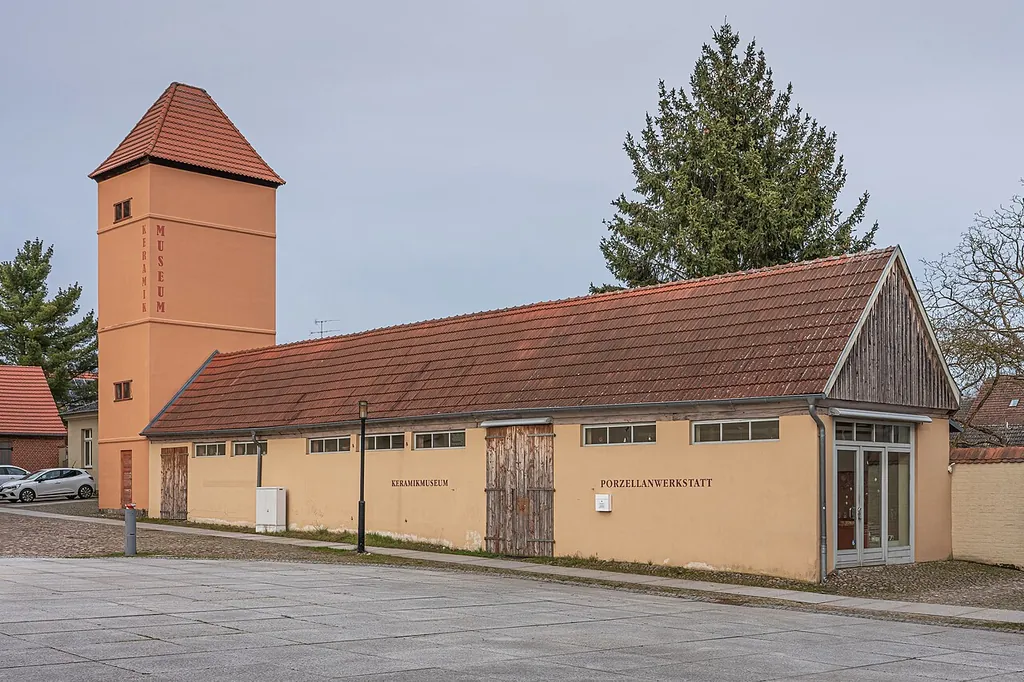
Private museum in the old fire pump house on Kirchplatz on the more than 260-year history of the Rheinsberg faience and earthenware manufactories.
Over het museum
Rheinsberg's ceramics tradition began in 1762, when Prince Henry of Prussia permitted the establishment of a faience factory on his land. In the first half of the 19th century the town made a name for itself with fine earthenware, followed later by mass production; the Rheinsberg teapot became the best-known product.
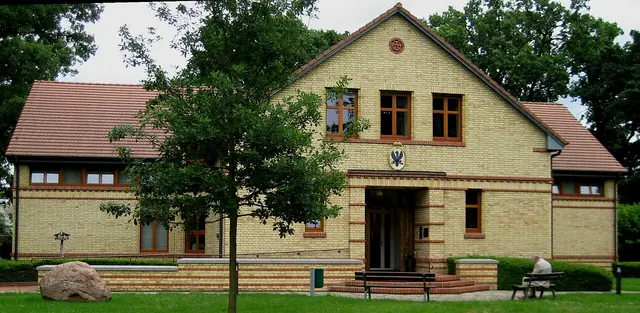
The museum opened in 2002 and is housed in the former fire pump house of the fire brigade, which stands right next to the St.-Laurentius-Kirche in the town center. It is privately run; the operator is the porcelain artist Hendrik Schink, and the museum is supported by ACHATporzellan Rheinsberg.
About 600 objects trace the development from early faience through delicate earthenware to industrial ware. The exhibition is complemented by historic film footage of Rheinsberg earthenware workers from the 1930s, a cabinet on Hedwig Bollhagen and the Marwitzer Werkstätten, which for a time belonged to the Rheinsberg factory, as well as a puppet theater in the tower. Contemporary porcelain works are on display in the museum gallery.
Hoogtepunten
- The famous Rheinsberg teapot
- Faience of the late 18th century and fine earthenware of the 19th century
- Film footage of Rheinsberg earthenware workers from 1935
- Hedwig Bollhagen cabinet
- Puppet theater about a ceramics contest between Prince Henry and the pharmacist Pollnow
Vaste collectie
- 260 Jahre Keramik aus Rheinsberg – From Prince Henry's faience factory through the earthenware of the 19th century to the Rheinsberg teapot, complemented by historic film footage and a puppet theater.
- Hedwig-Bollhagen-Kabinett – Cabinet on the period when the Marwitzer Werkstätten of Hedwig Bollhagen belonged to the Rheinsberg factory.
- Opgericht
- 2002
- Beheerder
- Hendrik Schink (privat)
Toegangsprijzen & kortingen
| Volwassenen | € 5 |
|---|---|
| Kinderen & jongeren | € 2Children pay €2. |
| Groepen (vanaf 4 pers.) | –10% discount for groups of four or more. Tour fee flat €15 per group, night tour €25 per group. |
10% discount also with the Rheinsberg spa card (Kurkarte). The museum gallery is free to enter.
Toegankelijkheid
- Rolstoeltoegankelijk
- Lift: geen informatie
- Aangepast toilet: niet aanwezig
- Gehandicaptenparkeerplaats: geen informatie
- Hulphonden welkom: geen informatie
- Tastmodellen / voelbare objecten: geen informatie
- Rondleidingen in gebarentaal: geen informatie
- Informatie in eenvoudige taal: geen informatie
- Audiodescriptie: geen informatie
For wheelchair users a separate entrance with a ramp is opened; inside step-free with level, non-slip floors. The restroom for guests with mobility impairments can only be reached via one step. Listening experiences for blind and visually impaired guests.
Kinderen & gezin
Erg geschikt voor kinderen & gezinnenAanbevolen vanaf 7 jaar
The museum recommends a visit for children aged 7 and over. A puppet theater tells of a contest for the most beautiful ceramics and is intended as fun for the whole family.
Bereikbaarheid & parkeren
Met de auto
Parkeerplaats aanwezig · 20 m naar de ingang
Parking about 20 m from the entrance, more at the church and on the side streets.
The museum is in the town center directly next to the St.-Laurentius-Kirche, not far from Rheinsberg Palace. Rheinsberg can be reached by train and bus.
Route plannenService & horeca
- Café: niet aanwezig
- Restaurant: niet aanwezig
- Museumwinkel
Porcelain works by Hendrik Schink and befriended craftspeople are sold in the gallery.
Evenementen & zaalverhuur
Het museum heeft hierover geen informatie gepubliceerd – vraag het rechtstreeks na bij het museum.
Je bezoek plannen
| Rondleidingen | ja |
|---|---|
| Aanbod voor scholen | ja |
| Goed om te weten | Tours in German and English, also outside opening hours; night tours (18:00–23:00) for company and seminar groups by arrangement only. Registration at tel. 033931 37631. Suitable for school classes in art, history, and regional studies. |