6 september 2026 – 11 oktober 2026
Master Amnart Klanprachar – Kunstausstellung
Art exhibition as part of the annual program, organized in cooperation with the monks in Dillich.
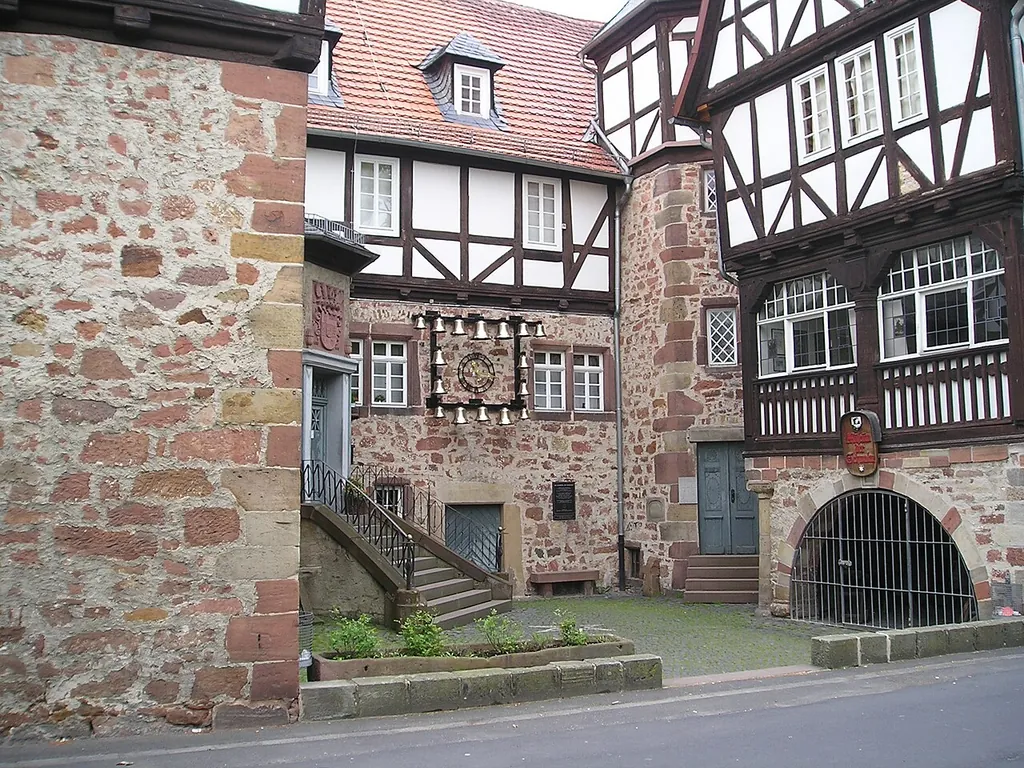
Regional museum in Ziegenhain covering Schwalm traditional costume, Schwalm whitework embroidery, the Ziegenhain water fortress, and the Willingshausen artists' colony.
6 september 2026 – 11 oktober 2026
Art exhibition as part of the annual program, organized in cooperation with the monks in Dillich.
25 oktober 2026 – 29 november 2026
Exhibition of works by Michael Lampe, according to the 2026 annual program.
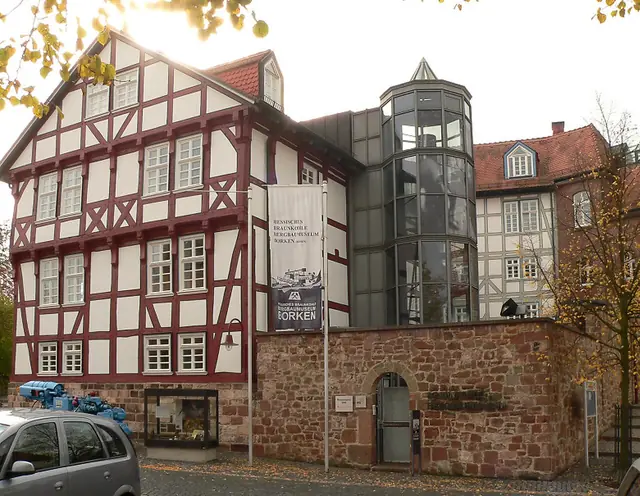
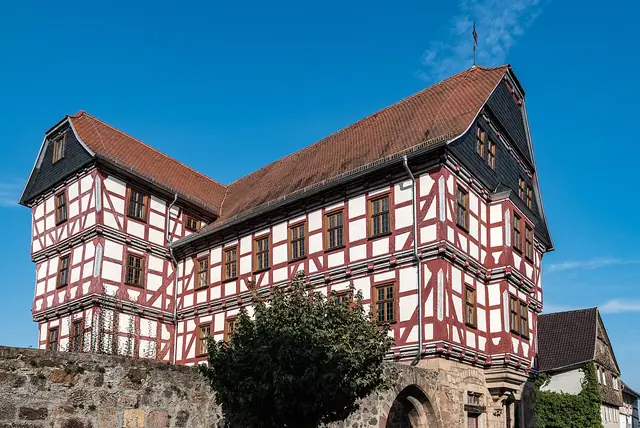
The museum's origins go back to 1911, when Heinrich Schwalm and Harry Heußner began collecting objects documenting the folk culture of the Schwalm region. The Museum der Schwalm opened on October 13, 1927, initially in rented rooms, and in 1938 it moved into the "Steinerne Haus" (Stone House) in Ziegenhain. The three-winged building with its stair tower dates back to a castle retainers' residence from the 14th century and was remodeled between 1659 and 1661 for the fortress commander.
During World War II the collections were moved to safe storage, and the building was used as housing for a time. In 1949 the Schwälmer Heimatbund (Schwalm heritage association) took over the museum and reopened it in June of that year, initially with just two rooms; today the entire building is used for exhibitions.
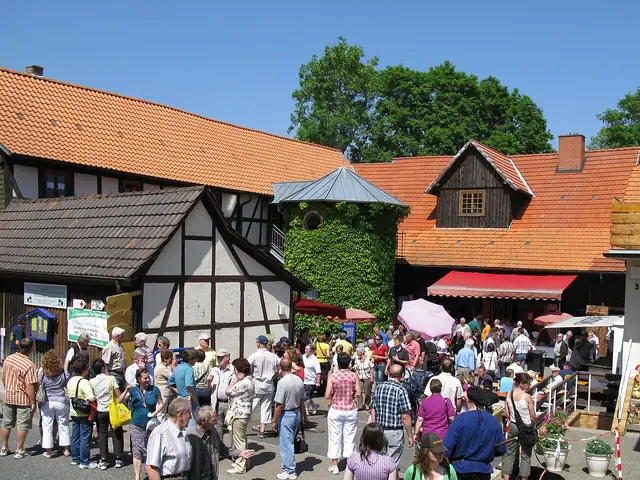
The focus is on the colorful Schwalm costume, which was named "Costume of the Year" in 2009, and on the delicate Schwalm whitework embroidery, now recognized as intangible cultural heritage. Reconstructed potter's and shoemaker's workshops, farmhouse furniture, a kitchen, and a bedroom from around 1900 illustrate rural life. A large model shows the Ziegenhain water fortress, built in the 16th century, as it looked in 1761, complemented by weapons dating back as far as the Thirty Years' War. The museum also displays Stone Age finds from the region and paintings by the Willingshausen artists' colony. Special exhibitions that change every year, readings, and markets keep the museum lively.
| Volwassenen | € 5 |
|---|---|
| Met korting | € 3School students aged 15 and over, university students, people with a severe disability (degree of disability 50 or more) |
| Kinderen & jongeren | € 3gratis t/m 14 jaar · School students up to age 14 and school classes free (except for special events). |
| Senioren | –No senior discount listed. |
| Mensen met een beperking | € 3With ID showing a degree of disability of 50 or more. |
| Studenten | € 3With student ID. |
| Groepen | –Guided tour €15 per group (max. 15 people) plus admission, also available outside opening hours. |
| Group guided tour (max. 15 people) | € 15Per group; by phone arrangement. |
| Guided tour in English | € 1Surcharge per person, on request. |
Members of the Schwälmer Heimatbund get free admission (except for special events). The museum participates in the Ehrenamtskarte (volunteer card) program. An English-language visitor guide is included in the admission price.
Het museum heeft hierover geen informatie gepubliceerd – vraag het rechtstreeks na bij het museum.
Het museum heeft hierover geen informatie gepubliceerd – vraag het rechtstreeks na bij het museum.
Bus stop directly in front of the museum (lines 472, 490, 493); nearest train station Schwalmstadt-Treysa.
Gratis parkeren
Free parking, also for buses, within walking distance.
Museum shop with books on traditional costume, white embroidery, and local history as well as art prints.
Civil wedding ceremonies in the Willingshausen Hall; wedding packages with a champagne reception in the Kunstkabinett or a rustic reception in the Lüderkeller or museum courtyard, with carillon and piano on request.
Aanvragen & details| Rondleidingen | ja |
|---|---|
| Goed om te weten | Guided tours on request, also in English. |
Cookies helpen je deze website te gebruiken. Kaart en statistieken laden we alleen met jouw toestemming.