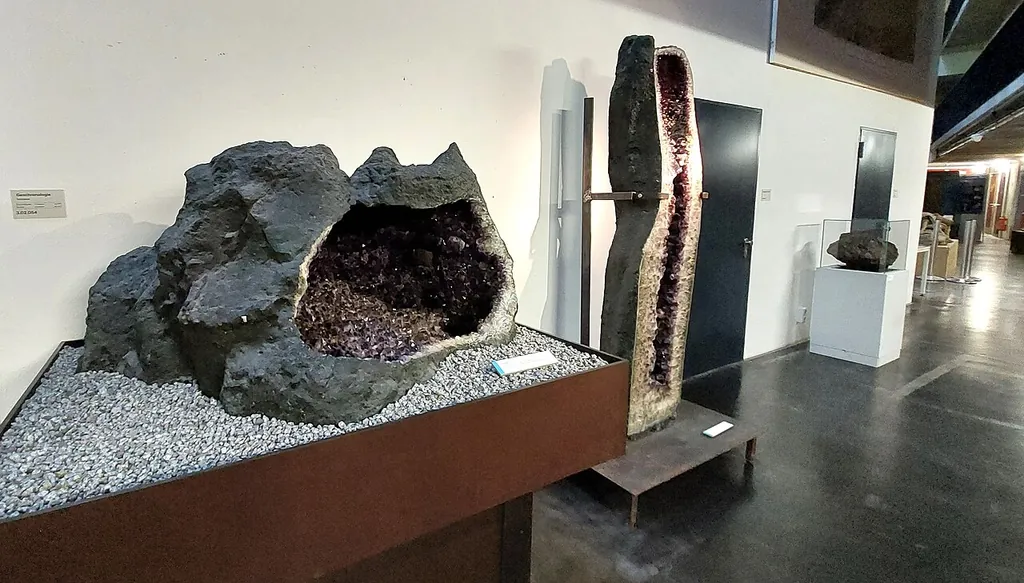
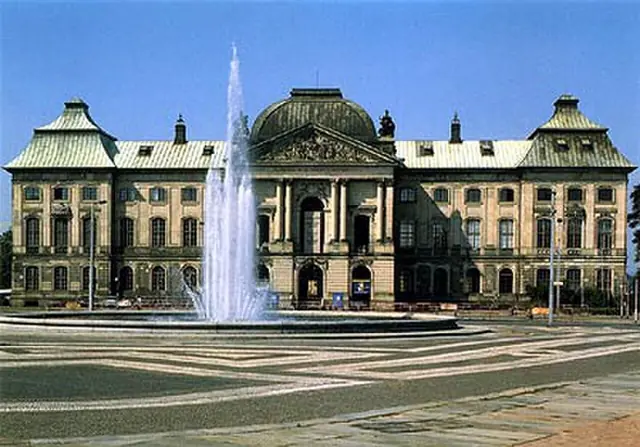
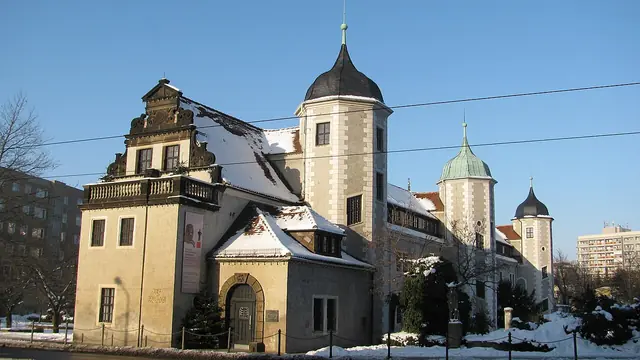
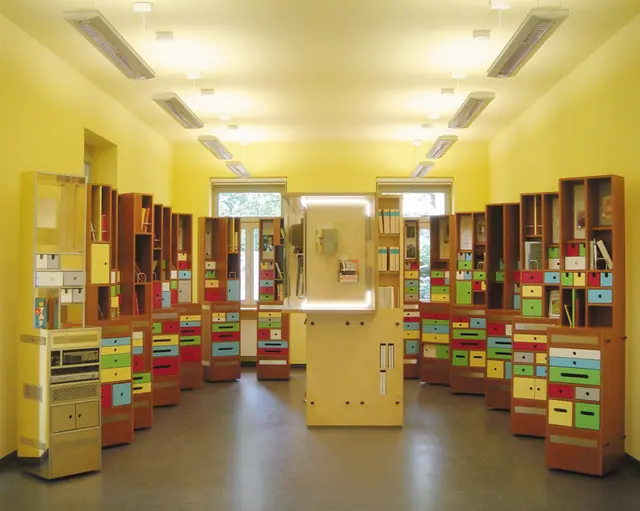
The natural history museum of the Senckenberg collections in Dresden presents special exhibitions on minerals, fossils, animals and the environment in the Japanisches Palais.
The exhibition follows sand from its geological formation and its role as an extreme habitat to its importance as an increasingly scarce raw material. A room installation by Herwig Turk lets visitors experience the Tagliamento River as an ever-changing sediment landscape.
Over het museum
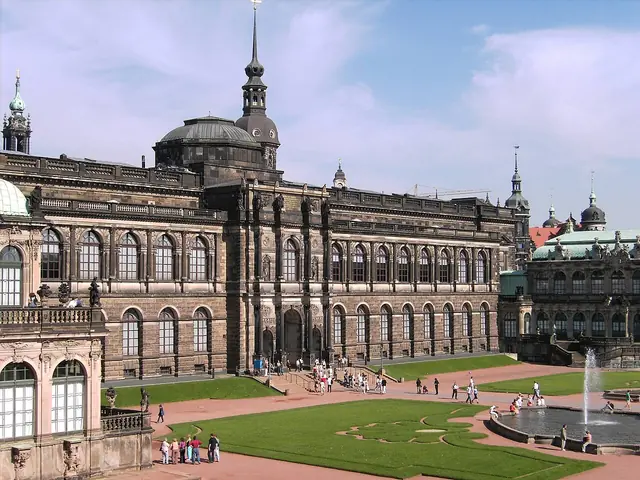
Dresden's natural history collections date back to the 16th-century electoral Kunstkammer (cabinet of art and curiosities); an inventory from as early as 1587 lists individual minerals that survive to this day. In 1728, Augustus the Strong had the natural specimens set up as a separate collection in the Zwinger – the museum regards this year as its founding date.
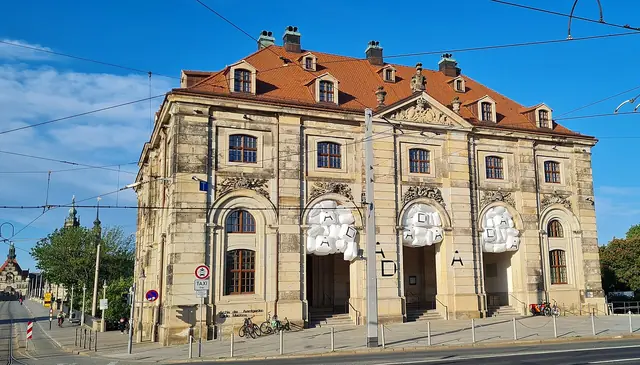
When the Zwinger caught fire during the May Uprising of 1849, the geological and paleontological holdings were largely lost, while the mineral collection survived. In 1857 the mineralogical cabinet became a museum in its own right, and in 1937 it was named Museum für Mineralogie und Geologie. After further wartime losses in 1945, it found a home in the Ständehaus in 1959, and in 1999 the collection and research moved into a new building in Klotzsche.
Since 2009, the Museum für Mineralogie und Geologie and the Museum für Tierkunde (zoological museum) have together formed the Senckenberg Naturhistorische Sammlungen Dresden, an institute of the Senckenberg Gesellschaft für Naturforschung and thus a Leibniz research museum. Between them they hold more than eight million objects.
The part open to the public is the Senckenberg Naturmuseum Dresden on the second floor of the Japanisches Palais. It shows changing special exhibitions from the earth and life sciences and offers the NatureLAB, a hands-on area for children and families.
Hoogtepunten
Special exhibition "SAND.bewegt." (October 2, 2026 – February 14, 2027)
NatureLAB hands-on area with a fossil dig site for children
Objects drawn from more than eight million items in the Senckenberg collections in Dresden
Located in the Baroque Japanisches Palais near the Elbe River
Vaste collectie
Senckenberg NatureLAB – Hands-on area within the exhibition where children identify animal tracks and rocks, browse a small library and search for fossils at a dig site.
Opgericht
1728
Beheerder
Senckenberg Gesellschaft für Naturforschung
Directie
Sinah Hoffmann
Toegangsprijzen & kortingen
Volwassenen
€ 5
Met korting
€ 3
Kinderen & jongeren
gratisgratis t/m 6 jaar · Children up to age 6 free (according to a 2025 press report).
Senioren
–Free admission for seniors on Wednesdays (according to the Euroregion Elbe/Labe museum portal).
Gezinnen
€ 10Family ticket.
The official website lists no prices during the changeover; figures are from the Euroregion Elbe/Labe museum portal and a press report (as of 2025/26) and have not been officially confirmed for "SAND.bewegt."
Toegankelijkheid
Rolstoeltoegankelijk: niet aanwezig
Lift: niet aanwezig
Aangepast toilet: geen informatie
Gehandicaptenparkeerplaats: geen informatie
Hulphonden welkom: geen informatie
Tastmodellen / voelbare objecten: geen informatie
Rondleidingen in gebarentaal: geen informatie
Informatie in eenvoudige taal: geen informatie
Audiodescriptie: geen informatie
The exhibition is on the second floor of the Japanisches Palais, with no elevator; the building and exhibition rooms are not air-conditioned.
Kinderen & gezin
Erg geschikt voor kinderen & gezinnen
Toegang kinderen
gratis t/m 6 jaar
Gezinsticket
€ 10 · Family ticket.
Gezinsrondleidingen & workshops
Doe- en voelstations
In the NatureLAB, children can do research (animal tracks, wild bees), plus a library, a podcast station, and a fossil dig site for young paleontologists; programs for daycares and schools. The exhibition is on the second floor, and there is no elevator.
Bereikbaarheid & parkeren
Met het openbaar vervoer
Palaisplatz
Tram 4 and 9 to Palaisplatz; 6 and 11 to Anton-/Leipziger Straße; 3 and 7 to Neustädter Markt; about a 10-minute walk from Dresden-Neustadt station
Met de auto
Betaald parkeren
No parking lot of its own; paid parking spaces at the Springbrunnen opposite the Japanisches Palais.
Het museum heeft hierover geen informatie gepubliceerd – vraag het rechtstreeks na bij het museum.
Evenementen & zaalverhuur
Het museum heeft hierover geen informatie gepubliceerd – vraag het rechtstreeks na bij het museum.
Je bezoek plannen
Rondleidingen
ja
Aanbod voor scholen
ja
Goed om te weten
Educational programs for daycare centers and schools as well as guided tours and lectures; inquiries and bookings by email to museumdresden@senckenberg.de. The collections and research facilities are located in Dresden-Klotzsche and are open only during special events.