Museum Huthaus Einigkeit
Mining and city museum in the Huthaus (mine office building) of a silver mine from 1837 – with minerals, miners' costumes, and the argyrodite in which germanium was discovered.
Over het museum
The museum grew out of a collection that the teacher Robert Arthur Schwenke gathered in Brand-Erbisdorf from 1914. Supported by the former miner Emil Neubauer, who classified the mostly mining-related pieces expertly, a permanent exhibition could be opened in 1931 – initially in two rooms on the first floor of the Huthaus of the Einigkeit mine.
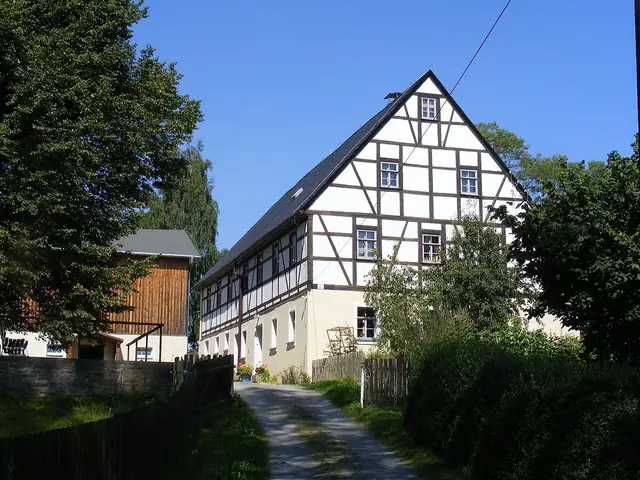
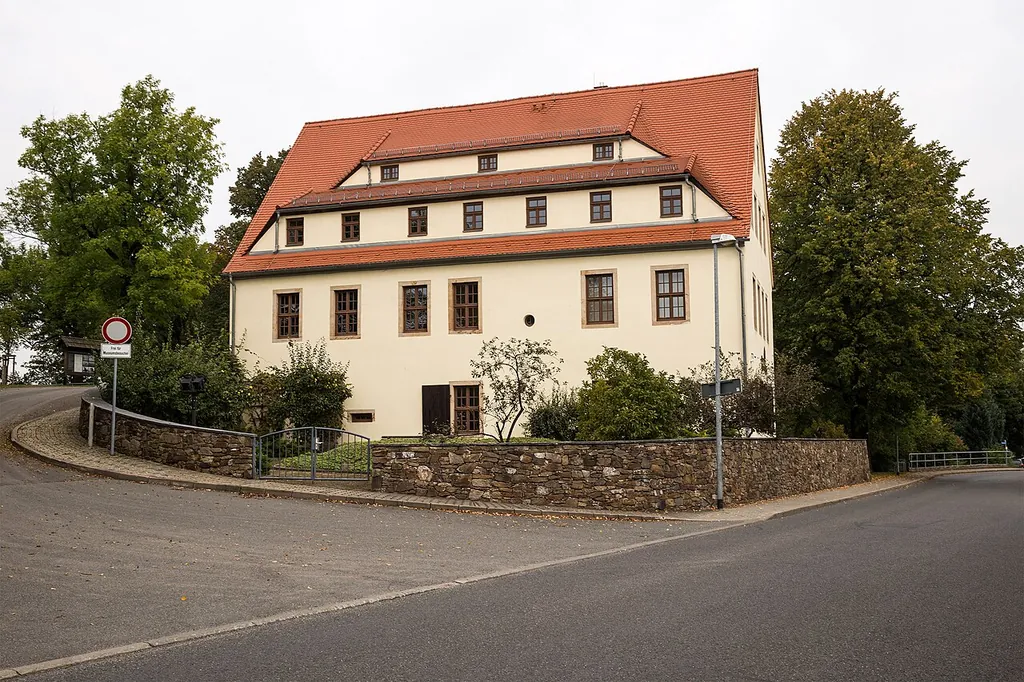
The building itself was built in 1837 for the mine "Vergnügte Anweisung samt Reußen" and at that time also housed the mine smithy. In 1850, the mine was absorbed into the consolidated "Einigkeit Fundgrube," which gradually lost importance. Until the end of silver mining around 1900, the building served as a Huthaus with a prayer room, smithy, carpentry shop, and official apartments; later it was used by the Revierwasserlaufanstalt (district water management authority) before it came to the town in the 1940s.
After 1945 the building was also lived in for a time, and the museum remained limited to a few rooms. From 1997, the building was renovated and the exhibition space expanded to three floors; since 2002, the museum has presented itself in its current form.
The exhibition traces the path of silver ore from its formation through extraction and hoisting to processing. On view are minerals, rocks, mining tools, costumes, uniforms, and artistic works by miners, as well as objects on the history of the town, crafts, and associations and a department on the town's industrial history after the end of mining.
Hoogtepunten
- Argyrodite specimen from the Himmelsfürst mine, in which the element germanium was discovered in 1885
- Historic Huthaus of 1837 with former mine smithy
- Minerals, mining tools, costumes, and uniforms of silver mining
- Exhibition on the more than 100-year industrial history of Brand-Erbisdorf
Vaste collectie
- Silberbergbau im Brander Revier – Traces the path of silver ore from the deposit to the product ready for smelting – with minerals, tools, costumes, and uniforms.
- Industriegeschichte von Brand-Erbisdorf – Shows the change from a mining town to an industrial town with vehicle, machine, and chair construction, glassworks, and the textile industry.
- Opgericht
- 1931
- Beheerder
- Stadt Brand-Erbisdorf
- Directie
- Raila Röhricht
Toegangsprijzen & kortingen
| Volwassenen | € 5 |
|---|---|
| Met korting | € 3Holders of the Sozialpass or Familienpass, people with severe disabilities |
| Kinderen & jongeren | € 2,50Price for children and school pupils |
| Mensen met een beperking | € 3Reduced admission for people with severe disabilities |
| Gezinnen | € 12 |
| Guided tour (plus admission) | € 25 |
Toegankelijkheid
Het museum heeft hierover geen informatie gepubliceerd – vraag het rechtstreeks na bij het museum.
Kinderen & gezin
Het museum heeft hierover geen informatie gepubliceerd – vraag het rechtstreeks na bij het museum.
Bereikbaarheid & parkeren
Het museum heeft hierover geen informatie gepubliceerd – vraag het rechtstreeks na bij het museum.
Service & horeca
Het museum heeft hierover geen informatie gepubliceerd – vraag het rechtstreeks na bij het museum.
Evenementen & zaalverhuur
Het museum heeft hierover geen informatie gepubliceerd – vraag het rechtstreeks na bij het museum.
Je bezoek plannen
| Rondleidingen | ja |
|---|---|
| Goed om te weten | Overview tours of the building are often possible on short notice, but are not guaranteed. If you want to be sure of a tour, register at least two weeks in advance by email or contact form. |