Wilhelm-Ostwald-Park
Country estate of the Nobel Prize-winning chemist Wilhelm Ostwald in Großbothen with original work rooms, laboratory, library, and seven hectares of park.
Over het museum
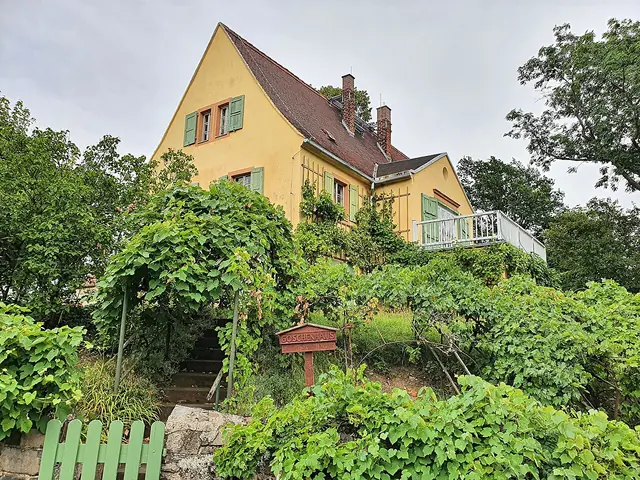
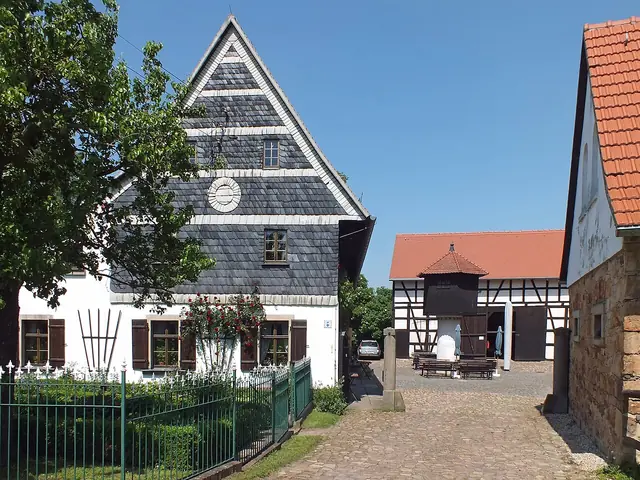
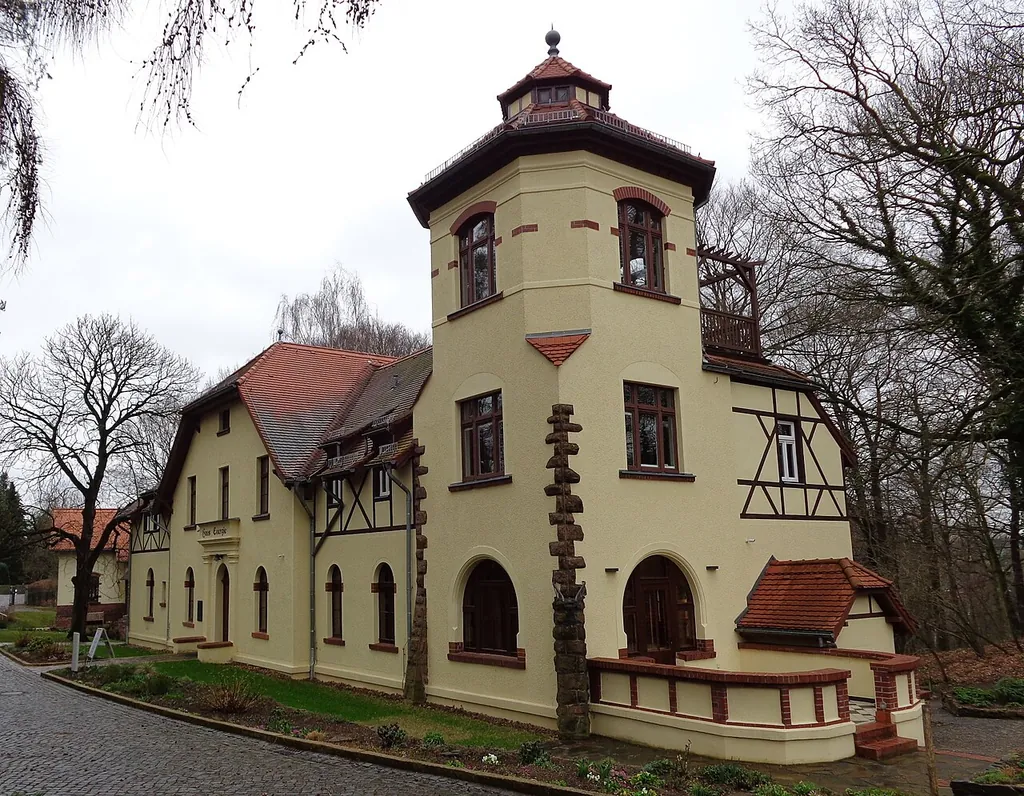
The chemist Wilhelm Ostwald, professor of physical chemistry in Leipzig, bought a plot of land on the edge of Großbothen in the Mulde valley in 1901. When his departure from the university was approaching, he had the existing house converted in 1905/06 into a residence and workplace with a laboratory and library, and moved there with his family in 1906. By 1916 houses for his sons and a separate laboratory building were added, and the grounds grew to seven hectares. After his life motto of not wasting energy, Ostwald named the property the country estate "Energie" (Energy); his theory of color was developed here, among other things. In 1909 he received the Nobel Prize in Chemistry.
After Ostwald's death in 1932 the estate remained undivided; his daughter Grete founded an Ostwald Archive in 1936. In 1953 the heirs donated the property to the Academy of Sciences of the GDR, which ran an archive and research site there and in 1973 set up a memorial in the former work rooms in Haus Energie. After 1990 the property went to the Free State of Saxony; plans to hand it over to a hotel investor failed because of protests.
Since 2009 the estate has belonged to the Gerda und Klaus Tschira Stiftung, which runs the museum, archive, and a conference center. The permanent exhibition in Haus Energie shows the largely original rooms with laboratory table and a library of around 24,000 titles, plus a visible storage area with scientific instruments and over 1000 landscape paintings and thousands of color studies by Ostwald. In 2005 the site was designated a Historic Site of Chemistry.
Hoogtepunten
- Original laboratory with Ostwald's lab table
- Scholar's library with around 24,000 titles
- Visible storage with scientific instruments, landscape paintings, and color studies
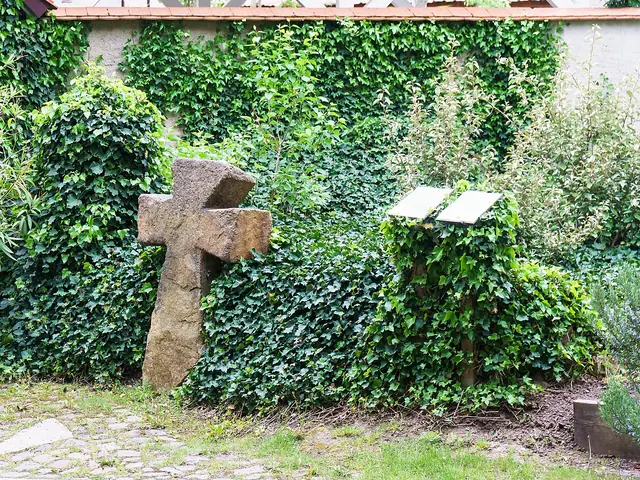
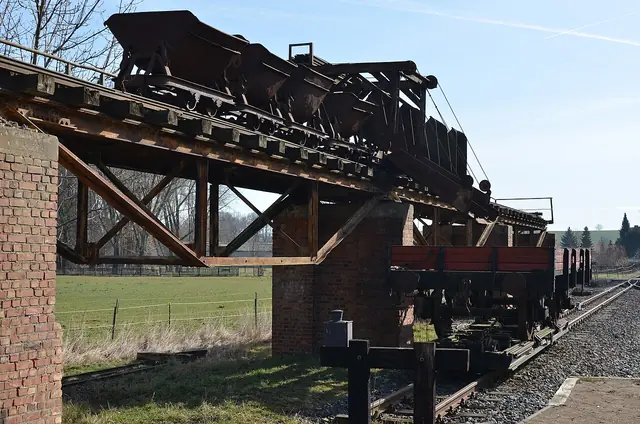
- Seven hectares of park with quarry, family burial site, wind wheel, and horse gin
- Room on the history of the Nobel Prize
- Experimental programs for children and school classes
Vaste collectie
- Wilhelm Ostwalds Leben und Wirken – The former work and living rooms in Haus Energie show stages in the researcher's life, his library, the laboratory, and the history of the Nobel Prize. A visible storage area rounds out the tour with instruments and color studies.
- Opgericht
- 1973
- Beheerder
- Gerda und Klaus Tschira Stiftung
Toegangsprijzen & kortingen
| Volwassenen | € 3,50 |
|---|---|
| Met korting | € 2Pupils, trainees, students, retirees, people with disabilities |
| Kinderen & jongeren | € 2Children before school age free; pupils pay the reduced price. |
| Senioren | € 2Concession for retirees |
| Mensen met een beperking | € 2 |
| Studenten | € 2 |
| Groepen (vanaf 10 pers.) | € 2 p.p.Per person from 10 people. Guided tour of the museum or park an additional €50 per group (max. 15 people), reduced €25. |
| Gezinnen | € 72 adults with school-age children |
| Combination ticket for permanent and special exhibition | € 5Reduced €3, family €9, groups €3 per person |
| Seasonal guided tour of the park | € 3,50Reduced €2; approx. 1 hour, 4–15 participants |
Educational museum programs €50 per group (max. 12 children) plus €1.50 materials per child; nature education programs from €25 per group.
Toegankelijkheid
- Deels rolstoeltoegankelijk
- Lift: geen informatie
- Aangepast toilet
- Gehandicaptenparkeerplaats
- Hulphonden welkom
- Tastmodellen / voelbare objecten: geen informatie
- Rondleidingen in gebarentaal: geen informatie
- Informatie in eenvoudige taal: geen informatie
- Audiodescriptie: geen informatie
The permanent exhibition in Haus Energie is accessible. Many park paths and the outdoor terraces are partly wheelchair-accessible. The exhibition rooms in Haus Werk are not fully accessible, and the second floor can only be reached by stairs. The accessible restroom is in Haus Werk. Tours for blind and visually impaired people by registration.
Kinderen & gezin
Erg geschikt voor kinderen & gezinnen
| Gezinsticket | € 7 · 2 adults with school-age children |
|---|
- Gezinsrondleidingen & workshops
- Doe- en voelstations
Age-appropriate tours for children aged 5 to 10 and 10 to 18, experimental programs on chemistry, physics, and color theory for daycare and school groups, and nature education programs in the park. Once a year, the action day "Experimentieren im Park" (Experimenting in the Park) invites preschool and elementary school children and their families.
Bereikbaarheid & parkeren
Met het openbaar vervoer
Wilhelm Ostwald Park
Regional buses from Grimma to the stop Wilhelm Ostwald Park; from Colditz to the stop Schule, then about 500 m. Regional train RB 110 (Leipzig – Döbeln) to Großbothen, about 1.5 km from the station.
Met de auto
Parkeerplaats aanwezig
Parking on the grounds, including accessible parking spaces.
- Gehandicaptenparkeerplaats
From the north via the A14, Grimma exit, then B107 toward Colditz to just past the Großbothen town limit; from the south via the B107 to the end of Großbothen. By bike via the Mulderadweg, turn toward Ostwald Park in Kleinbothen.
Route plannenService & horeca
- Museumwinkel
Coffee and tea are available in the "Energie-Reich" exhibition room. Postcards, books, and honey and apple juice from the museum's own orchard meadow are on sale. Guest rooms for conference guests.
Evenementen & zaalverhuur
- Ruimtes te huur
- Zakelijke evenementen
Tot 50 personen.
Conference center with three meeting rooms for up to 50 people in the houses Glückauf and Werk, overnight accommodation for up to 19 people and an in-house kitchen; primarily for nonprofit and scientific institutions.
Aanvragen & detailsJe bezoek plannen
| Rondleidingen | ja · duur ca. 60 min. |
|---|---|
| Aanbod voor scholen | ja |
| Goed om te weten | Tours of the museum and park (each approx. 1 hour, max. 15 people) by registration, on request with a focus on chemistry or color theory and a look into the visible storage. Public tours and seasonal tours in the events program. English accompanying brochure for the exhibition available. |