Windermere Valley Museum
Local history museum in Invermere with eleven historic buildings, centred on the 1923 Canadian Pacific Railway station of Lake Windermere.
Show individual sections
About the museum
The Windermere District Historical Society grew out of a committee formed in 1956 by the local Board of Trade to mark 150 years since the fur trader David Thompson arrived in the valley; the society itself was founded in 1958. Its first museum, a log cabin from Kootenay National Park now known as the Pioneer Cabin, opened in Pot Hole Park in Invermere in 1965, and the former Legion building joined it in 1970.
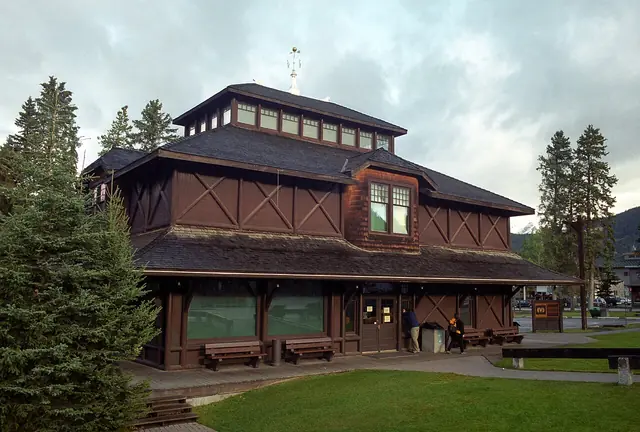
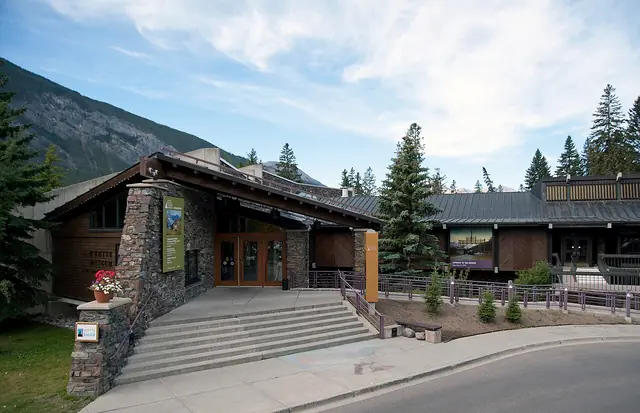
The main building is the Lake Windermere Station, built in 1923 by the Canadian Pacific Railway. Passenger service ended in 1962, and in 1975 a derailed coal train badly damaged the station. The society bought it from the railway for one dollar, moved it up the hill to its present site and restored it with community support. In June 1979 the station and the two earlier buildings opened together as the new Windermere Valley Museum, and in 1998 the name became Windermere Valley Museum and Archives.
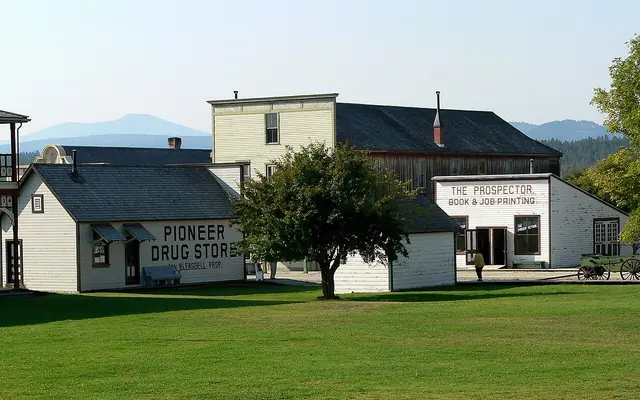
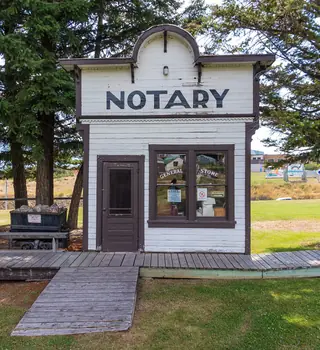
Today eleven buildings stand on the grounds, nine of them moved from elsewhere in the valley. The station holds exhibits on Indigenous life, David Thompson, the mountaineer Conrad Kain and early settlement, along with the office and archives. In summer visitors can also see the 1906 Brisco Schoolhouse, a notary building with a general store display, a mining cabin with the museum's own Wee Jessie mine, cabins from Radium Hot Springs, the 1919 Legion building and sheds with wagons, a blacksmith display and farm and logging equipment.
Highlights
- 1923 Canadian Pacific Railway station
- Eleven historic buildings on the grounds
- Exhibits on David Thompson and mountaineer Conrad Kain
- Brisco Schoolhouse from 1906
- Mining cabin with the Wee Jessie mine
- Scavenger hunts for young visitors
Permanent exhibition
- Permanent Exhibit – Eleven buildings with themed displays, from Indigenous life, David Thompson and Conrad Kain in the railway station to pioneer life, ranching, mining, recreation and early transport in the summer buildings.
- Founded
- 1965
- Operated by
- Windermere District Historical Society
Admission & discounts
Admission by donation.
Accessibility
- Partially wheelchair accessible
- Elevator: no information
- Accessible restroom: no information
- Accessible parking: no information
- Service dogs welcome: no information
- Tactile models & exhibits: no information
- Sign language tours: no information
- Easy-to-read materials: no information
- Audio description: no information
The boardwalks and the main building are wheelchair and stroller accessible; the upstairs floor is not, and the summer buildings have limited room to manoeuvre. Reading glasses can be borrowed.
Kids & families
Great for kids & families
- Activity booklet, scavenger hunt or kids’ audio guide
- Hands-on stations
- Stroller-friendly
Scavenger hunts and the Stash of Diamonds challenge for younger visitors; the schoolhouse still has desks and books, and visitors can try a typewriter in the Notary Building.
Getting there & parking
By car
Parking available
Street parking; larger vehicles can park in the empty lot between 7th and 6th Avenue by the Food Bank.
The museum is at the top of the hill on 6th Avenue in Invermere.
Get directionsAddress & contact
Windermere Valley Museum222 6th Avenue
V0A 1K0 Invermere
British Columbia, Canada
Amenities & dining
Shaded picnic tables and benches on the grounds. No smoking in the museum or on the grounds.
Events & venue rental
The museum hasn’t published any information on this.
Plan your visit
| Dogs | allowed in some areas only · Pets on a leash are welcome on the museum grounds. |
|---|---|
| Good to know | Two self-guided historical walking tours can be downloaded: Windermere (ten sites) and Invermere (13 sites from the museum down to Kinsmen Beach). Research requests for the archives by email. |
Visitor experiences
Loading experiences …