Institut suédois
Swedish cultural centre in the hôtel de Marle (Marais), with a permanent collection of 18th-century Franco-Swedish art, exhibitions and a garden.
No sound? Check your device’s silent switch.
Have only individual sections read aloud
About the museum
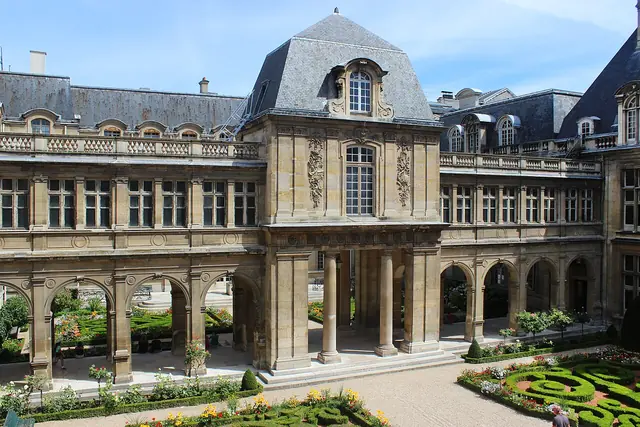
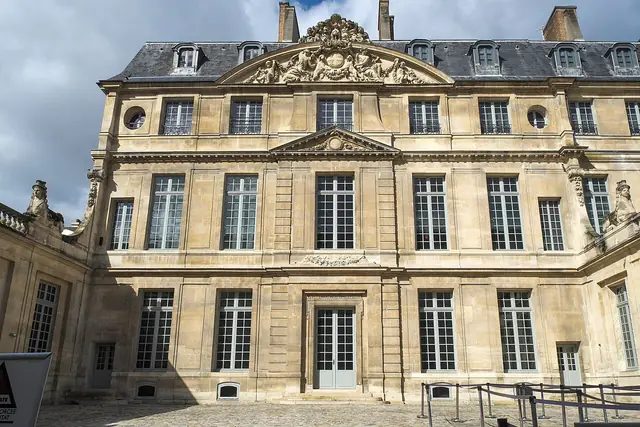
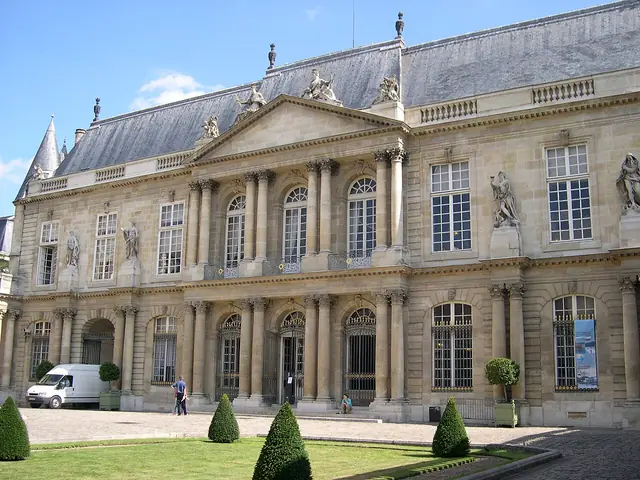
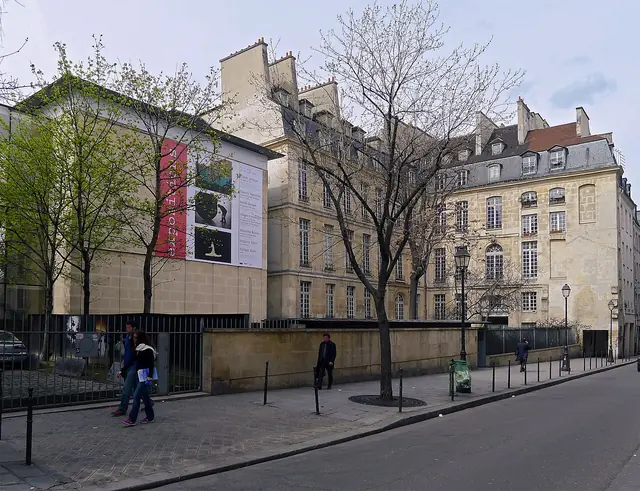
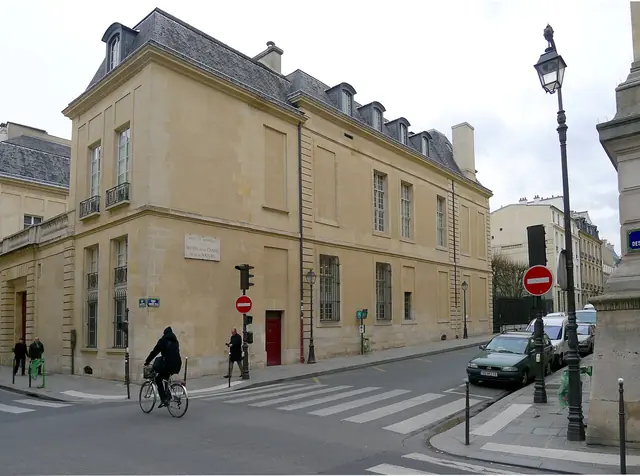
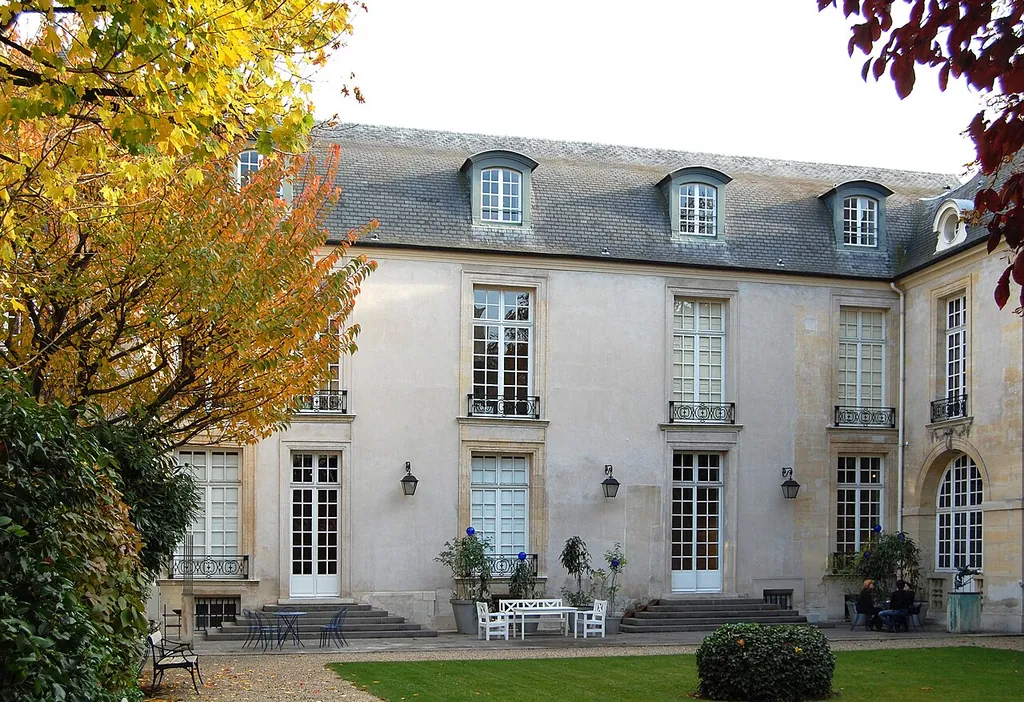
The Institut suédois is housed in the hôtel de Marle, a 16th-century mansion in the Marais whose façades, roofs and grand staircase have been listed in the supplementary inventory of historic monuments since 1961. The Swedish state acquired it in 1965 on the initiative of art historian Gunnar W. Lundberg, who was looking for a place to show his collection. The building, in very poor condition, was fully restored from 1967; the works revealed painted ceilings in the French manner and a roof frame in the manner of Philibert Delorme.
The Institut opened in 1971. It presents temporary exhibitions, concerts, film screenings and literary encounters, and houses a café and a garden with a sculpture collection.
The permanent collection is built on the works assembled by Gunnar W. Lundberg: about 700 paintings, 1,400 drawings, 4,000 prints, as well as sculptures, rare books and medals. The display was renewed in spring 2025 around the artistic and social upheavals of the 18th century.
Highlights
- Permanent exhibition “Un monde nouveau” on Franco-Swedish 18th-century art
- Works by Alexander Roslin, Louis-Jean Desprez and Gustaf Lundberg
- Hôtel de Marle, a 16th-century mansion partially listed as a historic monument
- Garden with sculpture collection
- Free guided tours, with late opening on Thursdays
Permanent exhibitions
- Un monde nouveau. Révolutions artistiques et sociétales au 18e siècle – Thematic display of the permanent collection, renewed in spring 2025, exploring the Enlightenment through the eyes of French and Swedish artists.
- Jardin et sculptures – The garden of the hôtel de Marle houses a permanent sculpture collection, from classical bronzes to a recent sound work.
- Founded
- 1971
- Operated by
- Svenska institutet (Institut suédois)
Admission & discounts
Admission is free.
Admission is free of charge for exhibitions and most events, unless otherwise stated in the programme.
Accessibility
- Partially wheelchair accessible
- Elevator: no information
- Accessible restroom
- Accessible parking: no information
- Service dogs welcome: no information
- Tactile models & exhibits: no information
- Sign language tours: no information
- Easy-to-read materials: no information
- Audio description: no information
Through the main entrance in the courtyard (11 rue Payenne), the reception, a small exhibition room and adapted toilets are wheelchair-accessible. Through the garden entrance (10 rue Elzévir), the main temporary exhibition room, the auditorium and the garden sculptures are accessible. The permanent collection room is not independently accessible; a stairlift is available (about 15 minutes to ascend), and visitors are advised to contact the Institut before their visit.
Kids & families
- Stroller-friendly
Strollers are welcome in the temporary exhibition rooms when the exhibition allows; they can also be parked in the courtyard. A bike lock can be borrowed at reception.
Getting there & parking
By public transit
Saint-Paul - Le Marais
Metro: Saint-Paul – Le Marais (line 1) and Chemin Vert (line 8) stations; buses 29, 69, 76 and 96; Vélib stations on rue de la Perle and rue Saint-Gilles.
Amenities & dining
- Café
- Museum shop: not available
FIKA café in the courtyard, with Swedish specialities. The Institut has neither a bookshop nor a library open to the public.
Events & venue rental
As far as we know, the museum does not rent out spaces for external events.
The Institut's spaces cannot be hired exclusively.
Plan your visit
| Guided tours | yes |
|---|---|
| Good to know | Free guided tours, without reservation, to be requested at reception: a short tour of about 20 minutes from Tuesday to Friday afternoons depending on attendance; at 19:00 on Thursdays during late opening; at 15:00 and 16:30 on Saturdays; and two tours of about 45 minutes on Sundays at 15:00 and 16:30. The garden is accessible during opening hours, except during some temporary exhibitions. |