Musée Napoléon
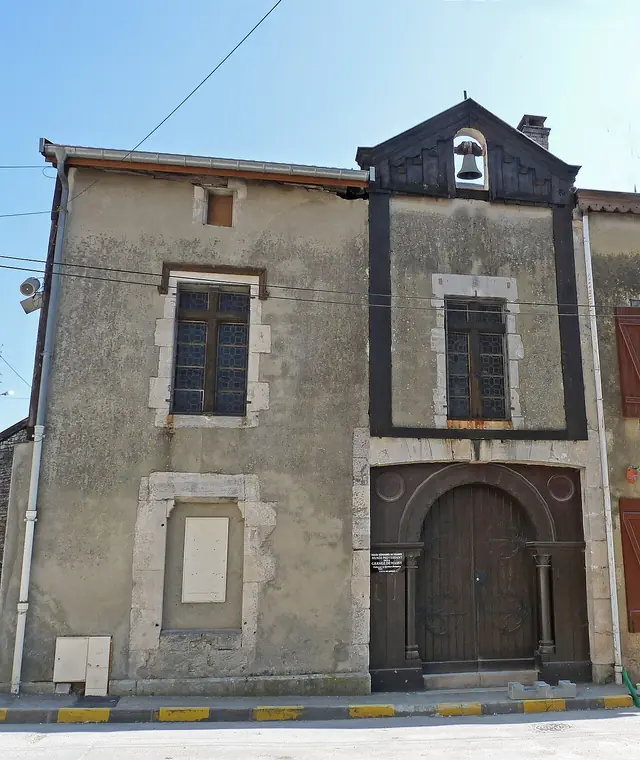
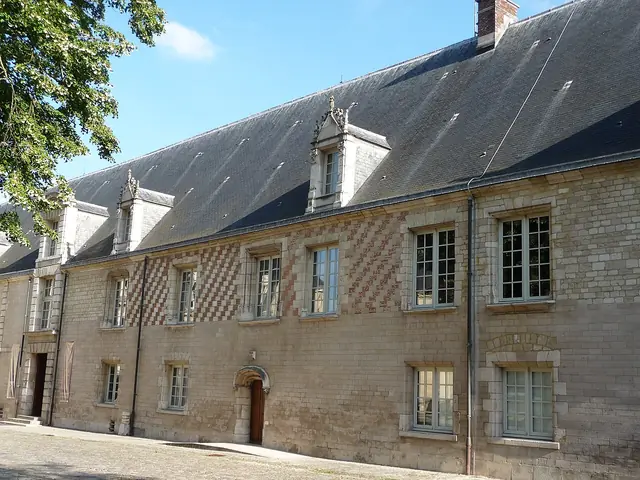
Museum housed in the former Royal Military School of Brienne, where the young Napoleon Bonaparte studied from 1779 to 1784.
No sound? Check your device’s silent switch.
Have only individual sections read aloud
About the museum
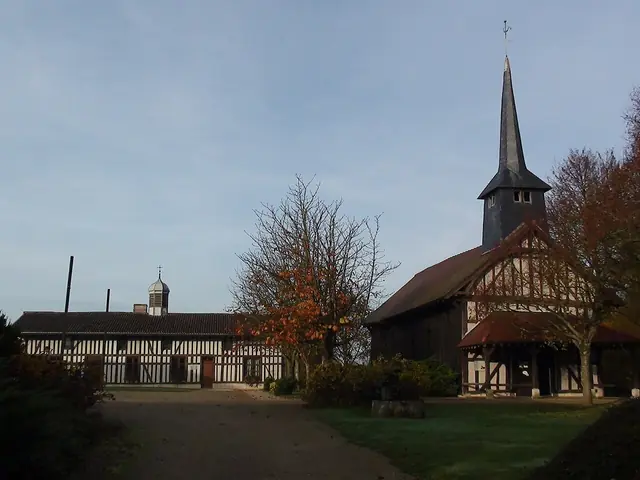
The museum occupies the former Royal Military School of Brienne, which opened in 1776: Napoleon Bonaparte was a pupil there from 1779 to 1784. Before that, the Minims ran a religious school on the site. After the Revolution the buildings were sold as national property, partly demolished, and then occupied by a Carmelite convent, a college and finally a barracks, the Caserne Bonaparte.
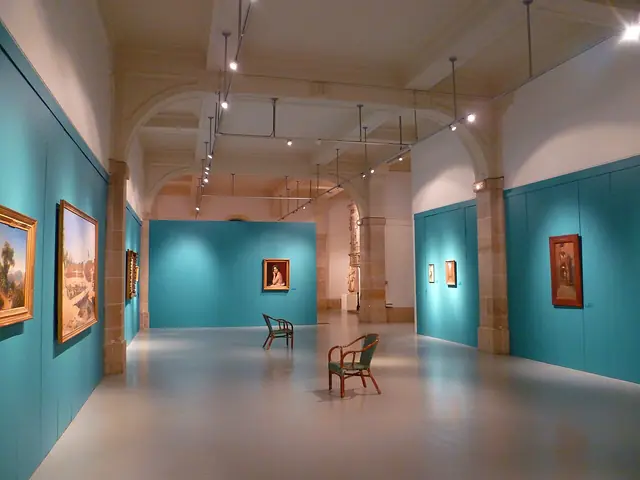
The town regained the site in 1926 and had it listed as a historic monument in 1933. The Musée Napoléon opened in 1969, at the initiative of local councillors who wanted to honor the former Brienne pupil. Three rooms were added in 1995 thanks to the bequest of Mr. Devinot. Closed for renovation in May 2016, it reopened in January 2018 with a new entrance, a modernized display and renewed themes. It holds the “Musée de France” and “Monument historique” labels.
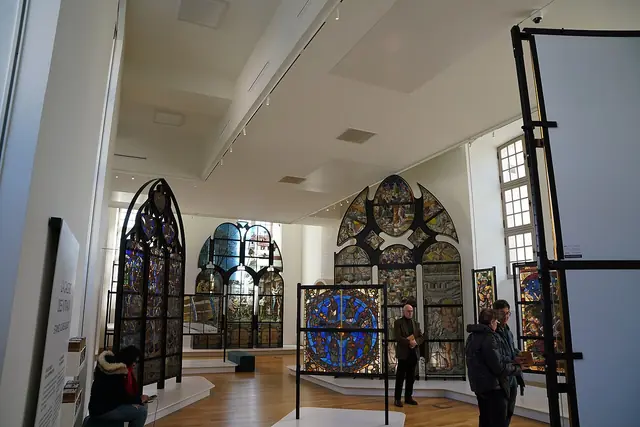
The collections evoke Napoleon’s schooling at Brienne, the Campagne de France of 1814, the works bequeathed by Mr. Devinot, the Restoration and the Napoleonic legend. The museum also houses the Treasure of the churches of the Parc de la forêt d’Orient. The route is organized around four themes: the shaping of an image, the tactician and strategist, the reformer and the intimate Napoleon.
Highlights
- Former Royal Military School where Napoleon studied from 1779 to 1784
- Napoleon’s bicorne hat, worn “en bataille”
- 18th-century prize book, Code civil and Mémorial de Sainte-Hélène
- Collections on the Campagne de France of 1814 and the Napoleonic legend
- Treasure of the churches of the Parc de la forêt d’Orient
Permanent exhibitions
- La construction d'une silhouette – How Napoleon controlled his public image through recognizable poses and attributes, shown through busts and everyday objects.
- Tacticien et stratège – His strategies and campaigns against the coalitions, from Austerlitz and Wagram to Brienne.
- Le réformateur – The administrative reforms after the coup of 18 Brumaire: Banque de France, civil and penal codes, land register, baccalaureate.
- Founded
- 1969
- Visitors per year
- approx. 10,685
Admission & discounts
| Adults | €9 |
|---|---|
| Reduced | €4.50Young people aged 10 to 18, students, job seekers, people with disabilities, holders of the carte du Souvenir Napoléonien and the Pass éducation, with proof |
| Children & teens | €4.50free up to age 9 · Free for children under 10; reduced rate for ages 10 to 18. |
| Visitors with disabilities | €4.50Reduced rate with proof. |
| Students & apprentices | €4.50Reduced rate with proof. |
| Groups (10+ people) | €5 per personSelf-guided visit: €5 per person; commented visit: €7 per person (about 1 hour 30 minutes). Groups of 10 to 30 people by reservation (required for more than 9 people). |
| Preferential rate (partners) | €7 |
| Annual pass (January 1 to December 31) | €18€12 for residents of Brienne-le-Château, with proof |
| School groups: commented visit (per pupil) | €2Self-guided visit free; workshop: €2 per pupil and workshop |
Free admission: Weekends of the European Heritage Days and Museum Night
Free with proof: children under 10, holders of an ICOM or press professional card, group drivers and escorts, members of the Friends of the Museum association and donors.
Accessibility
The museum hasn’t published any information on this.
Kids & families
| Kids’ admission | free up to age 9 |
|---|
Free admission for children under 10 and reduced rate for ages 10 to 18; the website does not offer a specific family package.
Getting there & parking
The museum hasn’t published any information on this.
Amenities & dining
The museum hasn’t published any information on this.
Events & venue rental
The museum hasn’t published any information on this.
Plan your visit
| Guided tours | yes · approx. 1.5 hrs |
|---|---|
| School programs | yes |
| Good to know | Self-guided visits without reservation, except for groups. Commented tours for groups (about 1 hour 30 minutes) and school classes, with workshops for classes; the conference area is accessible by reservation. Booking through the museum’s contact page. |