Museum für Glaskunst Lauscha
Germany's oldest specialist glass museum: Thuringian glass from forest glass to glass eyes, Christmas ornaments, and studio glass art.
About the museum
The impetus for the museum came from the 300th anniversary of the Lauscha glassworks in 1897, for which the first collection pieces were gathered. In 1903 the museum opened in the town's old school. Under Paul Eichhorn, it grew by the end of the 1920s into Germany's only specialist museum for glass art, and it is considered one of the oldest municipal museums in Thuringia.
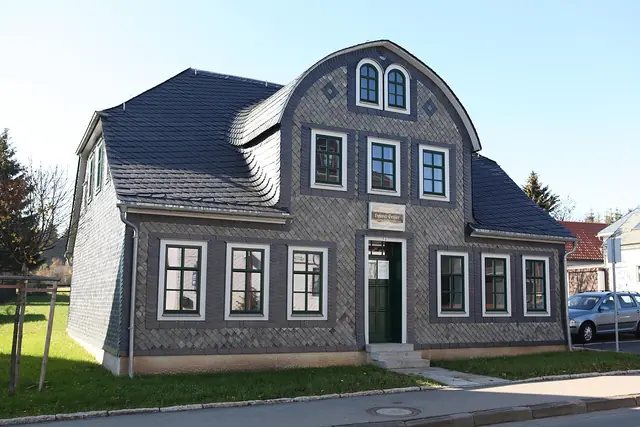
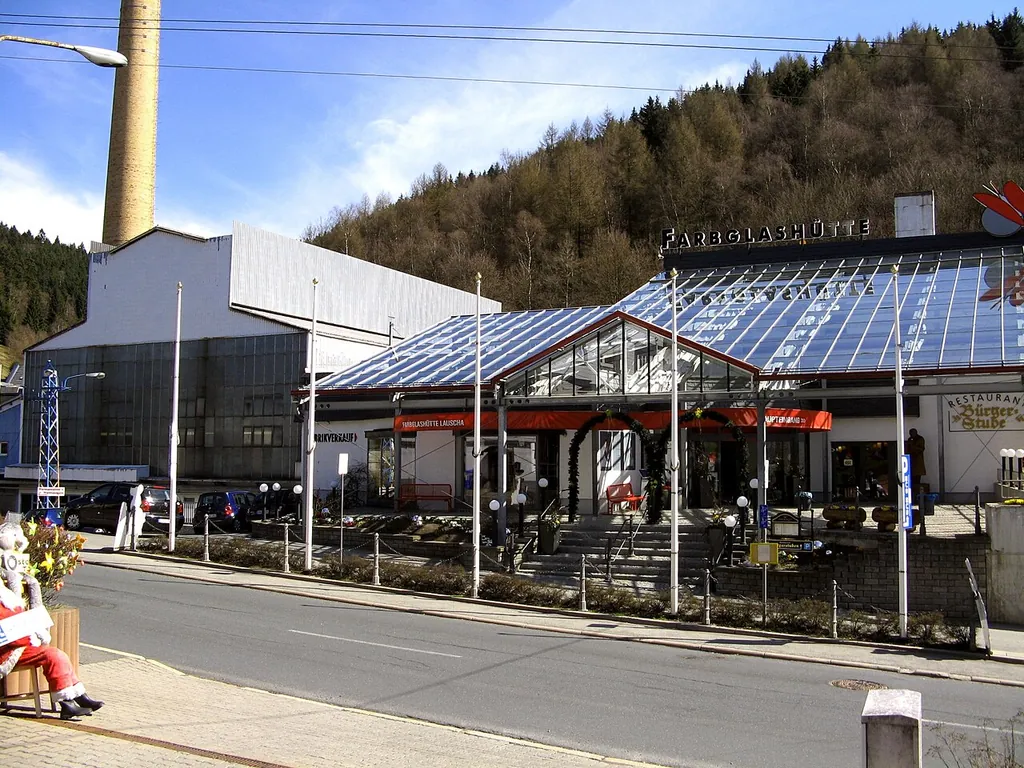
After some 110 years at its old location, the museum moved in April 2014 into newly designed, accessible premises on the grounds of the Farbglashütte Lauscha glassworks. There, exhibition and ongoing glass production come together in one place. The museum is operated by the town of Lauscha; a friends' association has supported its work since 1991.
The collection comprises more than 10,000 objects, from medieval forest glass and courtly and bourgeois showpiece glasses to glass beads, artificial eyes, lampworked animal figures, and Christmas ornaments. The Christmas ornament section was redesigned in 2022 after the making of mouth-blown Lauscha Christmas ornaments was added to Germany's national inventory of intangible cultural heritage in 2021. The tour concludes with glass art of the 20th and 21st centuries, including the Lauscha studio glass movement.
Highlights
- Christmas ornaments from the 1860s to today (intangible cultural heritage)
- Artificial glass eyes and doll eyes from Lauscha workshops
- Forest glass and showpiece glasses from the late Middle Ages to the 19th century
- Lampworked animal figures and 20th-century studio glass
- Films on glassmaking techniques and local history included in admission
- "Objekt des Monats" (Object of the Month), changing monthly
Permanent exhibitions
- Christbaumschmuck – Immaterielles Kulturerbe – Redesigned section on the development from the glass bead to the silvered Christmas bauble, with historic tree ornaments from the 1860s onward.
- Hüttenglas und Lampenglas – From forest glass and showpiece vessels of the glassworks to glass beads, glass eyes, and figures blown at the lamp flame.
- Studioglas – Glass art of the 20th century and the present, from Art Nouveau and Bauhaus influences to contemporary Lauscha artists.
- Founded
- 1903
- Operated by
- Stadt Lauscha
Admission & discounts
| Adults | €4 |
|---|---|
| Reduced | €3Children aged 6 to 14, school students, apprentices, university students, people with a severe disability |
| Children & teens | €3Reduced for children aged 6 to 14; no price is given for younger children. |
| Seniors | –No senior discount listed. |
| Visitors with disabilities | €3Reduced. |
| Students & apprentices | €3Reduced. |
| Groups (20+ people) | €3 per personGroups of 20 or more: €3 per adult, reduced €1.50. |
| Families | €10 |
Film screenings on glass topics and local history are included in admission. Introductory talk about 15 min. €15, about 30 min. €30, extended guided tour about 45 min. €40 (each with advance registration).
Accessibility
- Wheelchair accessible
- Elevator: no information
- Accessible restroom: no information
- Accessible parking: no information
- Service dogs welcome: no information
- Tactile models & exhibits: no information
- Sign language tours: no information
- Easy-to-read materials: no information
- Audio description: no information
The museum describes the premises in the Farbglashütte, opened in 2014, as accessible; details on elevator and restrooms are not published.
Kids & families
The museum hasn’t published any information on this – please ask the museum directly.
Getting there & parking
The museum hasn’t published any information on this – please ask the museum directly.
Amenities & dining
- Museum shop
Museum shop with catalogs; the museum is located on the grounds of the Farbglashütte Lauscha glassworks.
Events & venue rental
The museum hasn’t published any information on this – please ask the museum directly.
Plan your visit
| Guided tours | yes · approx. 45 min |
|---|---|
| Good to know | Introductory talks (about 15 or 30 minutes) and the extended tour (about 45 minutes) by advance registration only. |