Major show on Dutch coffee history told through pots, cups, and services – between coziness, colonialism, and slavery, in collaboration with the Nationaal Slavernijmuseum.
Second part of a series on sustainable ceramics with the Rotterdam studio Lab AIR: the environmental impact of ceramic production, from Chinese porcelain to the mass-produced mug, and the approaches of today's designers.
Survey of the Amersfoort ceramics studio studioZAND, winner of the 2026 Van Achterbergh Prize, with its own works and objects made there for other designers.
Announced major exhibition on the English ceramics entrepreneur as inventor, marketer, and opponent of the slave trade, with a look at his connections to the Netherlands.
About the museum
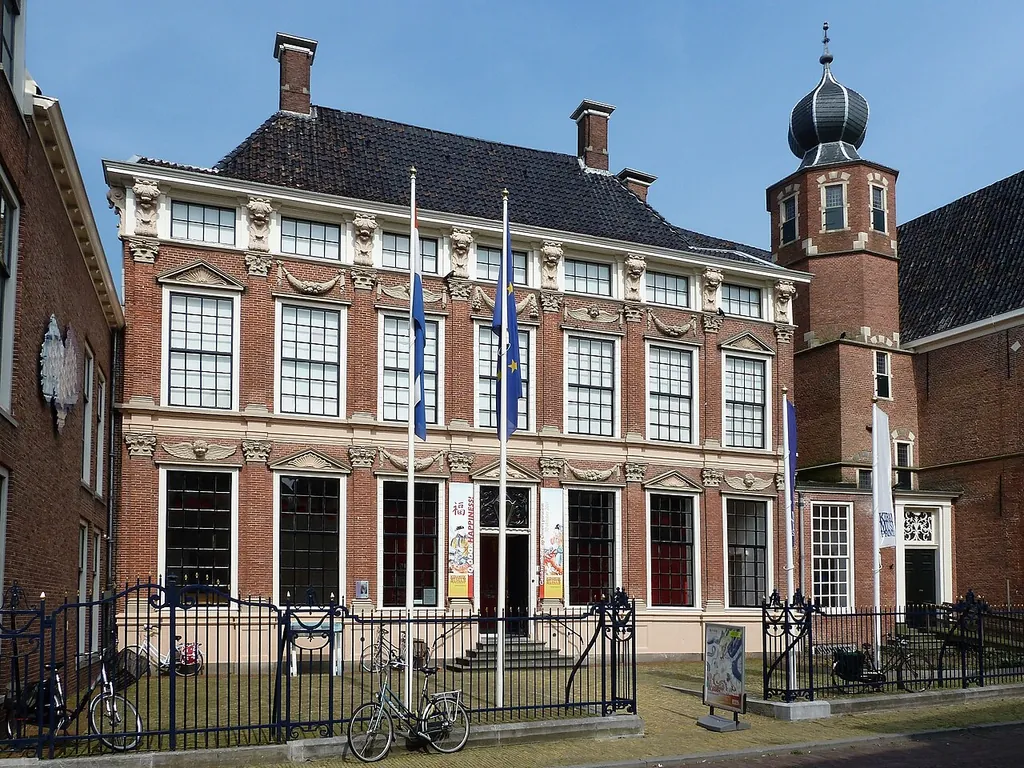
The Princessehof is named after Maria Louise of Hesse-Kassel, widow of the Frisian stadtholder Johan Willem Friso and ancestress of today's Dutch royal family, who lived in the town palace in the 18th century. In 1898 the graphic artist M. C. Escher was born in the same building.
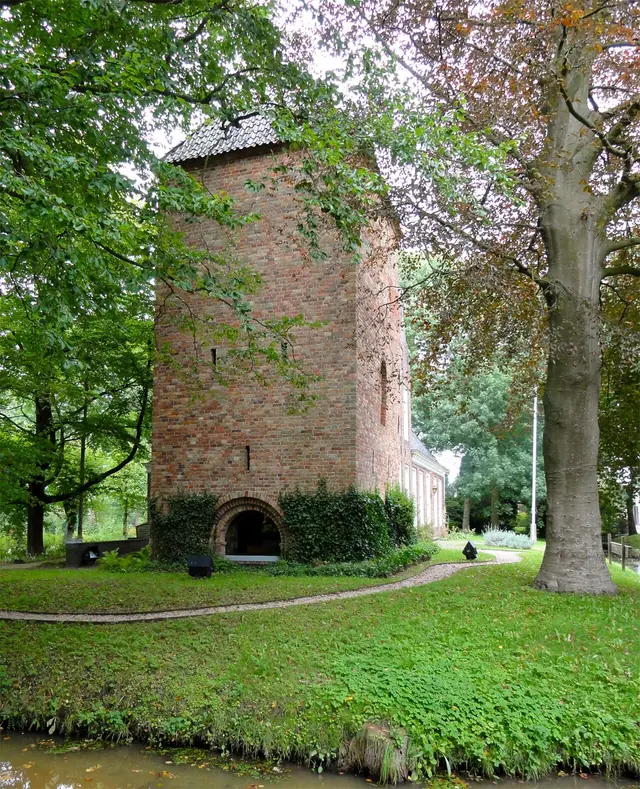
In 1917 the Leeuwarden notary and collector Nanne Ottema acquired the building and set up a ceramics museum in it; his fondness for Chinese porcelain still shapes the collection today. The museum occupies several interconnected national monuments: in addition to the palace, they include a 16th-century stins (Frisian fortified house), the stadtholder's 17th-century riding school, a 19th-century wine warehouse, and the house at Grote Kerkstraat 9. The result is a rambling complex of halls, chambers, stairwells, and attics.
Today the museum sees itself as the national ceramics museum of the Netherlands and manages some 35,000 objects. Its focus is on Asian, European, and modern ceramics; its collection of Chinese porcelain is considered the largest in the country, complemented by Dutch Art Nouveau and Art Deco ceramics (1880–1930). Temporary exhibitions on the first floor and presentations of contemporary ceramics on the third floor complement the permanent exhibition. The Princessehof and the Fries Museum now form a joint organization; the stored holdings are kept in the KolleksjeSintrum Fryslân.
Highlights
The largest collection of Chinese porcelain in the Netherlands, including imperial porcelain
Dutch Art Nouveau and Art Deco ceramics (1880–1930)
Permanent presentation “Van Oost en West” on the ceramic exchange between Asia, the Middle East, and Europe
Birthplace of M. C. Escher with an anamorphic mural by Leon Keer in the vaulted cellar
Rooms devoted to Princess Maria Louise, ancestress of the House of Orange-Nassau
Tea salon with terrace in the palace garden
Permanent exhibitions
Van Oost en West – Permanent presentation on the second floor with top pieces from the collection on the centuries-long exchange between Asia, the Middle East, and Europe.
Thuis bij M.C. Escher – Small exhibition in the vaulted cellar on Escher's early years in the Princessehof, complemented by a large anamorphic mural by Leon Keer.
Maria Louise, prinses van Oranje-Nassau – Portraits, prints, and a sprawling family tree tell of the eventful life of the princess, regarded as the ancestress of the royal family.
Founded
1917
Operated by
Fries Museum & Keramiekmuseum Princessehof (gemeinsame Organisation)
Director
Eelco van der Lingen
Visitors per year
approx. 55,628 (2024)
Admission & discounts
Adults
€17.50
Reduced
€8Students (student ID, CJP, or ISIC)
Children & teens
freefree up to age 17 · Children and young people through age 17 free
Students & apprentices
€8with student ID, CJP, or ISIC
Groups (10+ people)
€14 per personper person; private guided tour (60 min.) €89 per group plus admission
Combination ticket with the Fries Museum (valid for one year)
€25
Public guided tour “Koffie?” (plus admission)
€7On selected dates 12:30–13:30, reservation via the ticket shop
Friends membership (per year, free admission)
€37.50
Free with the Museumkaart; also free with an ICOM card, Rembrandtkaart, and the VriendenLoterij VIP card (the latter including one guest). No reservation required.
Accessibility
Wheelchair accessible
Elevator
Accessible restroom: no information
Accessible parking: no information
Service dogs welcome
Tactile models & exhibits: no information
Sign language tours
Easy-to-read materials: no information
Audio description: no information
Historic building; all floors can be reached by passenger elevator. Two loaner wheelchairs and one scooter can be reserved by phone. Tours in sign language and for people with dementia on request, as well as a low-stimulus private visit.
Kids & families
Great for kids & families
Kids’ admission
free up to age 17
Family tours & workshops
Kids’ birthday parties
Free admission up to age 17. Creative workshops for children during school holidays; annual Princessedag in the garden. Children's birthday parties (for ages 7 to 12) on Wednesdays and Saturdays 14:00–16:00 with a guided tour and crafts workshop, €200 for up to 10 children.
Getting there & parking
By public transit
Station Leeuwarden · 10-min walk
About a ten-minute walk through the historic city center from Leeuwarden station (train and bus station).
By car
Parking available
Parkeergarage Oldehove right next to the museum (signposted P-route).
Entrance via the museum shop on the Grote Kerkstraat or via the palace garden on the Groeneweg.
Tea salon with organic tea blends and pastries from the neighboring Salverda bakery, with a terrace in the palace garden in good weather; for savory food, the museum points to the neighboring Grandcafé De Hofdame. Museum shop accessible without an admission ticket; lockers free of charge.
Events & venue rental
Spaces for rent
Private parties
Exclusive visits outside opening hours, evening openings, and bridal photo shoots on request via evenementen@princessehof.nl; classic room rental is not described.
Photography and filming permitted, but without flash or tripod
Good to know
Private guided tours (60 min., €89 plus admission) in Dutch, Frisian, English, or German; book ideally three weeks in advance. Also a 90-minute city tour from the Fries Museum to the Princessehof. Bags, backpacks, and umbrellas must be left in the cloakroom.