August 29, 2026 – October 18, 2026
Gelaagd
The textile collective Prikkel-Draad shows woven pieces and other textile works exploring layers of material and technique.
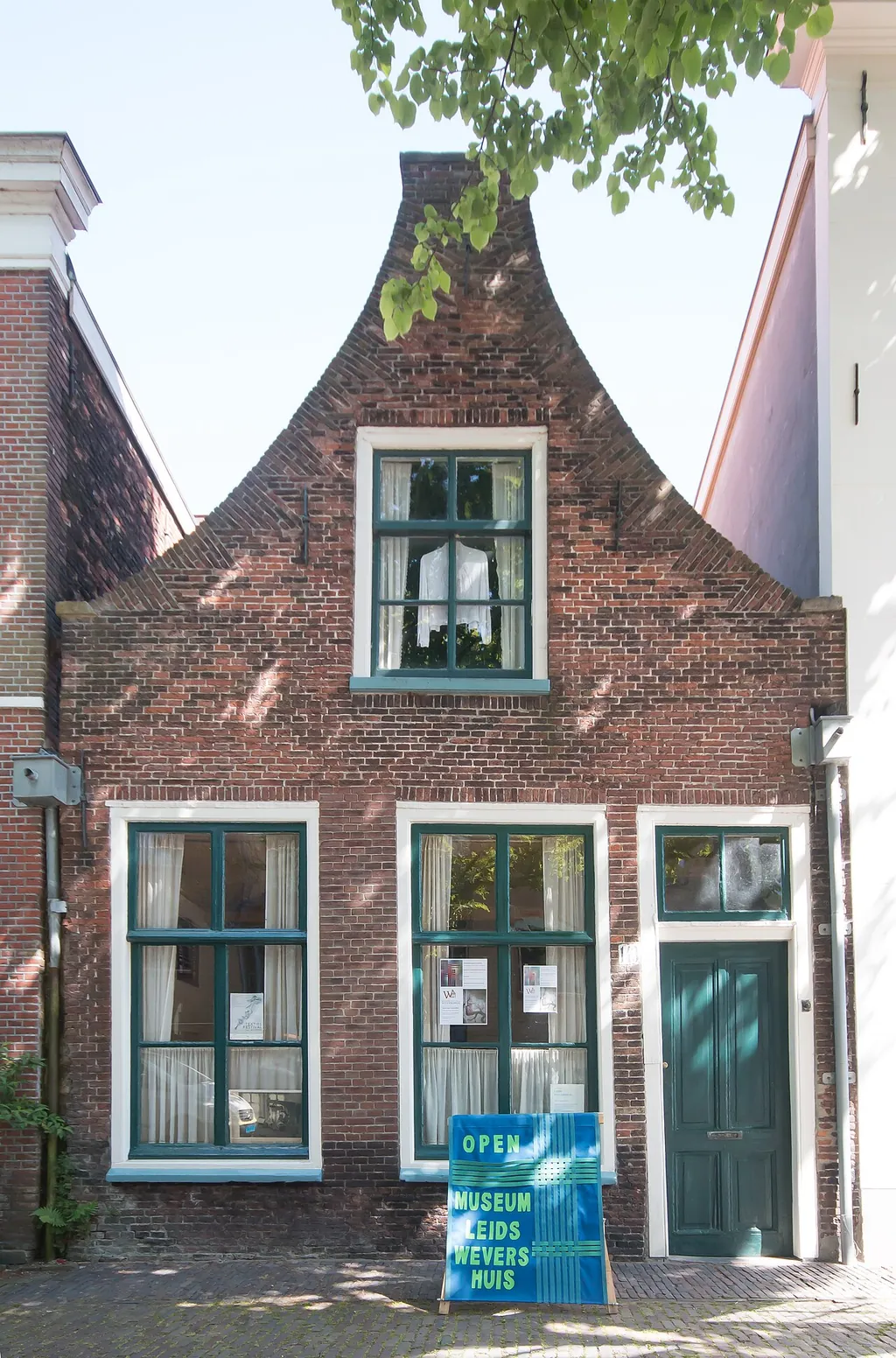
Small house museum in a 17th-century Leiden weaver's house that shows how textile workers lived and worked – with weaving demonstrations and free admission.
August 29, 2026 – October 18, 2026
The textile collective Prikkel-Draad shows woven pieces and other textile works exploring layers of material and technique.
October 24, 2026 – December 6, 2026
Mixed-media works by the artists' collective No Rush on the relationship between small and large.
December 12, 2026 – February 28, 2027
Embroidery, crocheted objects, paper boats, and drawings by Liesbeth van der Zee centered on the sea, boats, and maps.
March 6, 2027 – April 18, 2027
Colorful art quilts by Lisette van Til, inspired by nature and her surroundings.
April 24, 2027 – June 6, 2027
Drawings, paintings, plant dyes, and herbarium art by Lies Bakker in dialogue with the atmosphere of the house.
June 12, 2027 – August 29, 2027
Woven works by Australia-based Monique van Nieuwland that reinterpret everyday household textiles.
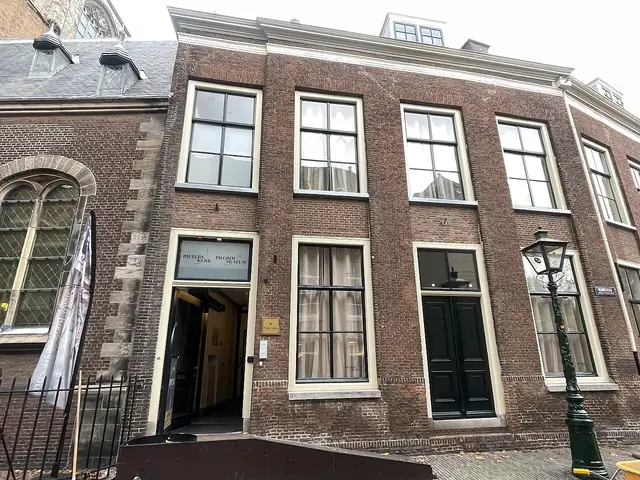
The little house on the Middelstegracht stands in a neighborhood that came within Leiden's walls around 1350 when the city limits were extended, and that was quickly built up as the cloth industry flourished. A linen weaver was already living on this spot in 1561. The core of the current building dates from 1626 to 1631; the façade, roof structure, and floor tiles go back to that construction.
In the 1960s, the city planned to demolish most of the old working-class neighborhoods. In response, Leiden residents founded the Stichting Het Kleine Leidse Woonhuis in 1976, which over the decades saved many weavers' houses and almshouse courtyards from demolition and had them renovated. The house at Middelstegracht 143 remained a special case: its last occupant had barely changed it in some forty years; it had neither a kitchen nor a shower, and the last major improvement had been its connection to the electricity grid around 1955. The box beds between the front and back rooms were still in place.
In the early 2000s, the fire department declared the dilapidated house uninhabitable; in 2003 the municipality of Leiden decided to buy it. The specially founded Stichting Het Leids Wevershuis secured the building in the condition in which it was found instead of restoring it, and set it up as a house museum with a loom in the front room. The museum has no collection of its own: the house itself tells of the everyday life of ordinary Leiden residents between 1550 and 1950. Volunteers run it, regularly weave in front of visitors, and show changing exhibitions with a textile or historical connection.
Admission is free.
| Groups | –Guided tours and demonstrations outside opening hours as well as school class visits for a fee by arrangement. |
|---|---|
| Neighborhood walk (approx. 1 hour) | €10Base fee per group plus €2.50 per person; arrange dates directly with the guides. |
Free admission; voluntary donations welcome. Cash only in the museum (no card payment).
Narrow hallway and high door thresholds; only visitors with a narrow wheelchair and a companion can visit the first floor.
The museum hasn’t published any information on this – please ask the museum directly.
Pelikaanstraat
From Leiden Centraal station (west side), take bus 400 toward Zoetermeer or bus 45 toward Den Haag to the Pelikaanstraat stop, then cross at the traffic light, cross the bridge, and turn right onto the Middelstegracht.
Parking available
Haarlemmerstraat parking garage, entrance diagonally across from the museum on the Middelstegracht.
By car via the A4, exit Leiden/Voorschoten, then follow signs for Leiden Centrum and Parkeergarage Haarlemmerstraat. The museum advises against arriving via Leiden Lammenschans station.
Get directionsRestroom available; no food or drinks. Small shop in the former weaving room with handwoven products, books, and brochures (cash only), including the walking guide "Schering en inslag."
Up to 25 guests.
Living room for small gatherings, meetings, or presentations with about 25 people; courtyard and attic can also be used. Price depends on duration and space required.
Inquiries & details| Guided tours | yes · approx. 60 min |
|---|---|
| School programs | yes |
| Good to know | Guided tours of the house are free during opening hours and available for a fee outside them by arrangement. Walks of about an hour through the Pancras-Oost neighborhood on request. School classes get to know the house and its occupants and can work on a loom themselves. Volunteers from the weaving group Het Leyds Laeken often weave in front of visitors during opening hours. |
Cookies help you use this website. We only load the map and statistics with your consent.