February 13, 2026 – January 3, 2027
Tijd voor Papoea
Wood carvings, ancestor figures and recent film works from West Papua shed light on concepts of time, colonial interventions and the region's current ecological crisis.
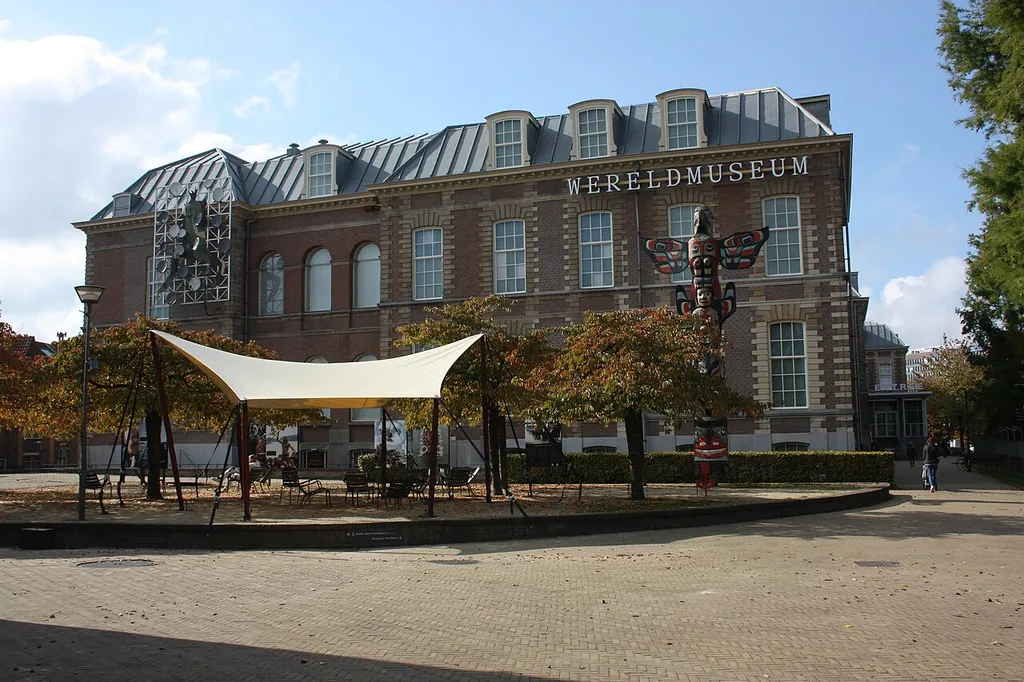
One of the oldest ethnographic museums in the world, with collections from every continent, a famous Buddha hall and the Von Siebold collection.
February 13, 2026 – January 3, 2027
Wood carvings, ancestor figures and recent film works from West Papua shed light on concepts of time, colonial interventions and the region's current ecological crisis.
May 8, 2026 – January 3, 2027
The Samoan artist's first solo exhibition in the Netherlands, which uses photography, video and installations to question how Gauguin and Darwin viewed the Pacific.
May 8, 2026 – September 5, 2027
Contemporary art, fashion and crafts by Sámi artists about land, nature and self-determination, complemented by objects from the collection.
Through December 31, 2026
Albums, photo cards and merchandise in the Japan-Korea gallery show how Korean pop music became a global visual culture.
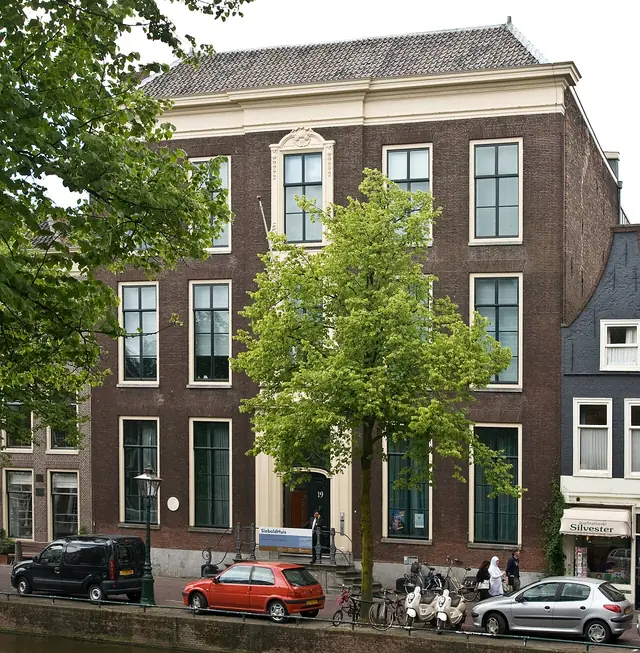
The museum traces its origins to ’s Rijks Japansch Museum Von Siebold, founded in 1837, which makes it one of the oldest scientific ethnographic museums in the world. Its core was formed by the objects collected by the physician Philipp Franz von Siebold during his years at the Dutch trading post of Deshima near Nagasaki (1823–1830); they were first displayed on the Rapenburg, in what is now the SieboldHuis.
Renamed ’s Rijks Ethnographisch Museum in 1864, the museum took over large parts of the dissolved Koninklijk Kabinet van Zeldzaamheden in 1883, as well as objects from the Colonial Exhibition in Amsterdam; the famous Japanese Buddha figures also date from this period. With the transfer of Hindu-Javanese and American holdings from the Rijksmuseum van Oudheden in 1903 and further acquisitions, the collection soon extended far beyond Japan, China and Indonesia.
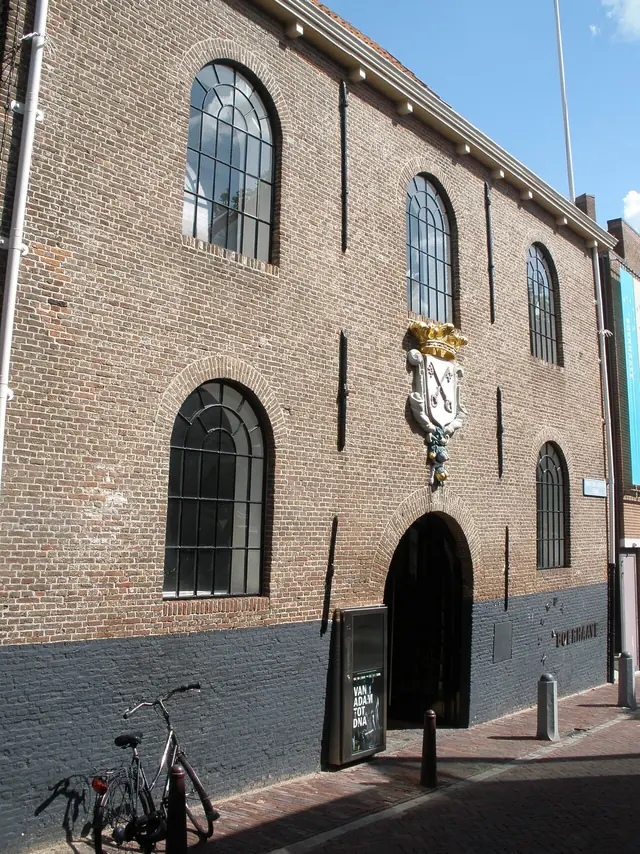
Since 1937 the museum has occupied the former Academic Hospital on the Steenstraat. In the 1990s the interior of the building was completely remodeled, the storerooms moved to climate-controlled halls in ’s-Gravenzande, and the entire collection was digitized and put online at an early stage. For a long time the museum was called Museum Volkenkunde.
In 2014 it merged with the Tropenmuseum in Amsterdam and the Afrika Museum in Berg en Dal to form the Nationaal Museum van Wereldculturen; since 2023 the museums have operated under the shared name Wereldmuseum. Today the Leiden museum focuses in particular on colonial history, Indigenous perspectives and the question of what an ethnographic museum of the future might look like.
| Adults | €16 |
|---|---|
| Reduced | €10CJP-Pas holders ages 19 and up |
| Children & teens | €6.50free up to age 5 · Up to age 5 free; ages 6–18 €6.50 online or €8 at the ticket desk; with a CJP-Pas up to age 18 €7. |
| Visitors with disabilities | –companion free · Visitors with disabilities pay the regular price; one companion with a companion card is admitted free. |
| Students & apprentices | €11Leiden University students (LU-Card) free; Studentenstrippenkaart promotion: after three visits, €1 per visit. |
| Groups (10+ people) | –Groups of 10 or more receive a discount; guided tours and workshops for groups can be booked via reserveringen-leiden@wereldmuseum.nl or +31 88 004 2830. |
| Adults at the ticket desk | €18€16 online. |
| Guided tour (60 minutes, up to 15 people) | €75Per group, plus admission; reservation required, ideally one month in advance. |
Online tickets are cheaper than at the ticket desk. Free with a Museumkaart (show the physical card or the official app); also free with the VriendenLoterij VIP-KAART, an ICOM card and as a member of the Vereniging Rembrandt. Online you choose a time slot, but the ticket is valid all day. Rebooking by email is possible; no refunds. The Museumkaart is available at the ticket desk.
Step-free building with automatic doors; an elevator at the entrance serves all floors. A few free push wheelchairs. No access with mobility scooters or bicycle trailers. Two free accessible parking spaces at the main entrance; parking on the museum grounds is possible after calling ahead on the day of the visit. Interactive tour for blind and visually impaired visitors with tactile objects, including a Buddha figure that may be touched (€75 per group of up to 15 people). Sensory map (Prikkelplattegrond) to download or at the ticket desk; quiet areas available.
Great for kids & families
| Kids’ admission | free up to age 5 |
|---|
Under the name Wereldmuseum Junior, activities for children up to age 12: scavenger hunts with “superpowers” and animal bingo, the free-to-borrow audio box “Boxie” for ages 6 to 12, the fantasy installation “De Wilde Bus” for ages 2 to 6, children's yoga on Wednesday mornings and free Sunday activities about festivals from around the world (ages 6 and up). Additional programs during school holidays, children's birthday parties (“Werelddierenfeest”). Strollers can reach all areas by elevator.
Leiden Centraal · 5-min walk
The museum is about a five-minute walk from Leiden Centraal NS station.
Paid parking · 5-min walk to the entrance
The nearest option is the paid Morspoort parking garage (5-minute walk). Alternatively, the Haagweg parking lot with a free shuttle bus to the museum.
By car via the A44 (exit 8 Leiden, toward Centrum, Plesmanlaan, Morssingel) or the A4 (exit 7 Zoeterwoude-Dorp/Leiden). Delivery entrance at 1e Binnenvestgracht 33.
Get directionsCafé Abel at the entrance with a terrace on the Singel (breakfast and lunch, Mon–Fri 9:00–17:00, Sat/Sun 10:00–17:00) and a quieter museum café on the first floor (museum opening hours, lunch dishes until 15:00, children's menu), both accessible without a ticket. Museum shop. Lockers for backpacks and bags, not for suitcases.
Up to 125 guests.
Grote zaal (100–125 people in theater seating), Kleine zaal (20–24) and Nooterzaal (16–20) for conferences, presentations, workshops, receptions and dinners; in the evening, the museum can also be rented with a customized program. Inquiries via an online form.
Inquiries & details| Guided tours | yes · approx. 60 min |
|---|---|
| School programs | yes |
| Photography | Photography without flash or tripod is allowed for non-commercial purposes; commercial shoots only by arrangement with the PR department. |
| Good to know | Guided tours for groups on individual cultural regions (e.g., Oceania, China, Japan/Korea, Africa), highlights or themes such as the colonial past, religion and festivals; individual tours also on request. Dogs other than assistance dogs are not allowed. |
Cookies help you use this website. We only load the map and statistics with your consent.