Draws on original plans and artefacts of the Mulberry Harbours used in Normandy in 1944, including wartime blueprints, models and an original anchor, with interactive exhibits and digital archives.
About the museum
The Royal Engineers Museum was founded in 1912 in the North Block of Brompton Barracks, in what had been the barracks chapel, which is now the RSME Auditorium. After two world wars the collection outgrew this space and moved to its present home in the Ravelin Building, which was officially opened by Queen Elizabeth II on 20 May 1987.
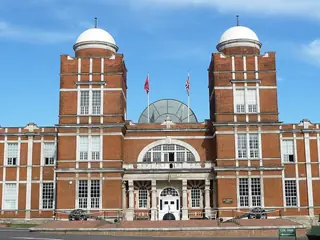
The Ravelin Building was designed by a Royal Engineer architect and opened in 1905 as the Electrical School of the Corps. Today the ground floor galleries tell the history of the Corps up to the end of the Second World War and show the medal collection. The courtyard was originally open and was roofed over in 1990; it now holds displays on the post-war history of the Corps.
For decades the Corps' library, archive and museum collections were run separately, and in the early 2000s they were brought under a single management. A new research centre and archive and library stores completed this process in 2021. The collection now exceeds one million items and covers about 300 years of military engineering, from the wars with France and the building of empire through two world wars to the present day. The museum is a registered charity and holds a long lease from the Ministry of Defence for its main building and grounds, plus storage space for vehicles at Chatham Historic Dockyard.
Permanent exhibitions
Early Engineers – Three rooms cover the origins of the Royal Engineers, from fortifications and the defence of Gibraltar to relics of the Napoleonic Wars, including the map the Duke of Wellington used before Waterloo.
First World War Gallery – A gallery on the Corps in the First World War with a walk-through trench display and a play tank for children.
The Medal Rooms – Medals and the stories behind them, including the museum's Victoria Crosses.
Founded
1912
Operated by
Royal Engineers Museum (registered charity)
Admission & discounts
Adults
£17.50
Reduced
£15Local adults, seniors over 60 and students
Children & teens
£8free up to age 4 · Children aged 5 to 15 pay 8 pounds; children under 5 are free.
Seniors
£15Over 60
Visitors with disabilities
–companion free · Carers of disabled visitors enter free.
Students & apprentices
£15
Groups
–The museum has a page for group and military group visits.
Families
£45Two adults and two children. Smaller family tickets are listed under extra tickets.
Local adult
£15
Family ticket (2 adults, 1 child)
£40
Family ticket (1 adult, 2 children)
£30
All tickets are valid for 12 months and include entry to the museum's events. Serving Sappers enter free. Holiday activities cost 4 pounds per child.
Accessibility
Partially wheelchair accessible
Elevator
Accessible restroom
Accessible parking
Service dogs welcome: no information
Tactile models & exhibits: no information
Sign language tours: no information
Easy-to-read materials: no information
Audio description: no information
There is step-free access through most of the museum, but two steps lead into and out of the First World War trench display, for which a guide and a step-free alternative route are provided. Two public lifts serve the first floor and the café; they are not suitable for mobility scooters. An accessible toilet is on the ground floor in the Post War Gallery, and two disabled parking spaces are marked closest to the entrance. Some displays have low light levels and large print guides are available on request. There is no level path around the outdoor vehicles, but most can be seen from the car park. Child-size ear defenders are available from reception during noisy events. There are no dedicated quiet or autism-friendly days. Companions who are needed to support a visitor are admitted free.
Kids & families
Great for kids & families
Kids’ admission
free up to age 4
Family ticket
£45 · Two adults and two children. Smaller family tickets are listed under extra tickets.
Family tours & workshops
Activity booklet, scavenger hunt or kids’ audio guide
Hands-on stations
Stroller-friendly
Baby changing facilities
Playground / play area
Families can follow the Snob the Dog trail, try dressing-up activities, hands-on and digital displays, and play on a First World War play tank. The café has a children's corner. School holiday trails and crafts cost 4 pounds per child, and the Mini Museum Explorers sessions are held for under-fives on the second Tuesday of the month in term time. Buggies can enter the museum except the First World War trench, but there is no buggy parking. Baby changing is on the ground floor in the Courtyard, and the museum takes part in the Wheels of Time badge scheme.
Getting there & parking
By public transit
Prince Arthur Road (Arriva 156)
Arriva buses stop at the top of Prince Arthur Road near the King Charles Hotel, including the 101 and 182; the 156 stops outside the museum by Mid Kent College. Gillingham and Chatham stations are the closest railway stations, with direct trains from London St Pancras, Victoria and Charing Cross and from Dover Priory and Canterbury. From Gillingham station it is a signposted 20-minute walk through the high street, and a taxi rank is next to the station.
By car
Parking available
The museum has a car park with two marked disabled spaces closest to the entrance.
Accessible parking
Sat nav postcode ME7 1SA, or enter Prince Arthur Road, Gillingham; the museum is signposted from the main roads into Medway. From London take the A2 towards Dover, then the A289 through the Medway Tunnel and turn right towards Brompton and into Prince Arthur Road.
The Courtyard café in the middle of the museum serves hot drinks, snacks and light refreshments from 10:30 to 15:30 and has high chairs and healthy options for children. There is an outdoor picnic area with tables among the military vehicles.
Events & venue rental
Spaces for rent
Corporate events
The Pasley Study Centre and the Field Marshal's Room can be hired for meetings and seminars with seating for up to 80 guests. Lunches and company dinners can be held in the Field Marshal's Room, the Cold War gallery or the Courtyard.
Photography for personal use is welcome in the museum and grounds; commercial photography needs a permit. Drones may not be flown or launched from the grounds because the museum lies in a runway protection zone.
Good to know
The learning team offers 45-minute sessions for early years, primary and secondary pupils, self-led school visits and outreach sessions. Research enquiries must start with the online contact form.