101 Spring Street
Five-story cast-iron building in SoHo that served as Donald Judd’s home and studio, shown on guided visits with his permanently installed art and furniture.
Show individual sections
About the museum
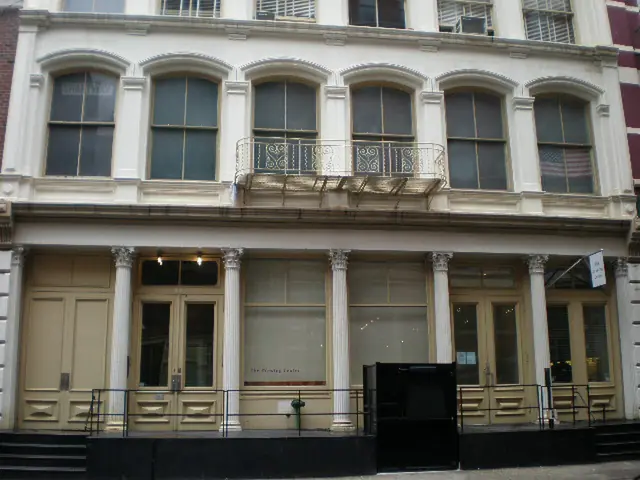
The building at the corner of Spring Street and Mercer Street was designed by Nicholas Whyte and completed in 1870. The artist Donald Judd bought it in 1968; it was the first building he owned and became his residence and studio in New York.
It was here that Judd first developed his idea of permanent installation, the belief that the placement of a work is as important as the work itself. He arranged his own works, pieces by other artists, furniture and objects throughout the five floors, later applying the same approach in Marfa, Texas.
Today the building is cared for by Judd Foundation. A restoration begun in 2010 repaired the cast-iron facade, replaced the windows and added modern building systems while returning the interiors to their state of 1994. 101 Spring Street opened to the public in June 2013 and is a contributing building to the SoHo-Cast Iron Historic District.
Highlights
- Thirty-seven artworks installed by Donald Judd
- Judd’s living and working floors preserved as of 1994
- Restored cast-iron building from 1870
- Guided visits through all five floors
- Operated by
- Judd Foundation
Admission & discounts
| Adults | $32.50 |
|---|---|
| Reduced | $17.50Students and seniors with valid ID |
| Seniors | $17.50With valid ID |
| Students & apprentices | $17.50With valid ID |
Admission is by guided visit only. Judd Foundation takes part in Blue Star Museums.
Booking: visits by advance booking only · timed-entry tickets · Advance reservations for guided visits are required and space is limited. Tickets are non-refundable but can be exchanged if space allows.
Accessibility
- Wheelchair accessible
- Elevator
- Accessible restroom: no information
- Accessible parking: no information
- Service dogs welcome
- Tactile models & exhibits: no information
- Sign language tours: no information
- Easy-to-read materials: no information
- Audio description: no information
Guided visits climb five historic staircases with handrails; an elevator is available for visitors who use a mobility aid or cannot take the stairs. An accessible entrance is next to the main entrance on Mercer Street. Assistive listening devices with headsets and portable seating are available on request. Special needs should be reported by email before the visit.
Kids & families
Not suitable for kidsRecommended for ages 12+
| Time needed | approx. 75 min |
|---|
Visitors must be at least 12 years old; infants may come along if they are held or carried. Strollers are not permitted.
Getting there & parking
The entrance is on the Mercer Street side of the building, at the corner of Spring Street.
Get directionsAddress & contact
101 Spring Street101 Spring Street
10012 New York
New York, United States
Amenities & dining
- Coat check
Backpacks, bags, laptops and umbrellas must be checked; coats must be worn or checked. Luggage and strollers are not permitted. Food and drinks are not allowed.
Events & venue rental
The museum hasn’t published any information on this.
Plan your visit
| Guided tours | yes · approx. 75 min |
|---|---|
| Photography | Photography and video are not permitted on guided visits. |
| Dogs | not allowed (assistance dogs excepted) · Pets are not allowed; documented service animals are welcome. |
| Good to know | Visitors must stay with the guide throughout and may not touch the works. Doors open 15 minutes before each visit, and late arrivals cannot join once the visit has started. A digital guide is available in the Bloomberg Connects app. |
Visitor experiences
Loading experiences …