California State Indian Museum
State museum in Sacramento, opened in 1940, on the cultures of California’s Native peoples, with baskets, regalia and a Yurok redwood canoe.
Show individual sections
About the museum
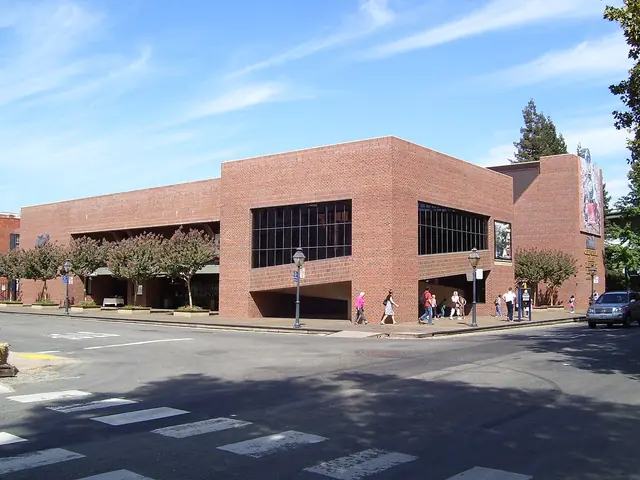
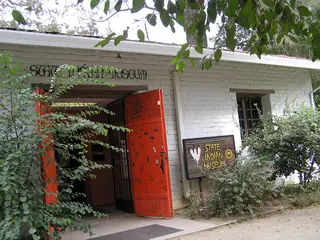
The State Indian Museum opened in 1940 next to Sutter’s Fort in downtown Sacramento and is run by California State Parks as a state historic park. It presents the life and traditions of California’s many Indigenous peoples around three themes: nature, spirit and family.
The collection includes one of the most important groups of California Native basketry, along with beadwork, ceremonial regalia such as feather headbands and dance capes, musical instruments, acorn processing tools and hunting and fishing gear, some of it more than 2,400 years old. An 18-foot Yurok redwood dugout canoe is among the best-known pieces. An exhibit on Ishi, considered the last survivor of the Yahi people, shows how the arrival of newcomers changed Native life forever.
Native community members have contributed family photographs for display, and a wall honors California elders. A newer exhibit covers objects returned to Native families under the 1990 Native American Graves Protection and Repatriation Act, such as ceremonial baskets returned to the Big Valley Band of Pomo Indians in 2025. The museum is planned to transition into the future California Indian Heritage Center.
Highlights
- Collection of California Native basketry
- 18-foot Yurok redwood dugout canoe
- Ceremonial regalia, beadwork and musical instruments
- Exhibit on the life of Ishi
- Exhibit on items repatriated to Native families under NAGPRA
- Founded
- 1940
- Operated by
- California State Parks
Admission & discounts
| Adults | $5 |
|---|---|
| Children & teens | $3free up to age 5 · Youth ages 6–17 $3; children 5 and under free. |
Adult admission for ages 18 and older. Admission includes all exhibits. Prices may change for peak periods and holidays.
Accessibility
- Partially wheelchair accessible
- Elevator: no information
- Accessible restroom
- Accessible parking: no information
- Service dogs welcome
- Tactile models & exhibits: no information
- Sign language tours: no information
- Easy-to-read materials: no information
- Audio description: no information
Exhibits are mostly accessible with adequate aisle and turning space; an attached restroom is generally accessible. Paths to the entrance are packed earth, firm when dry; some visitors may need help with slopes and distances from parking.
Kids & families
Great for kids & families
| Kids’ admission | free up to age 5 |
|---|
- Hands-on stations
Hands-on activities let visitors explore Native creativity and artistry.
Getting there & parking
By public transit
Several Sacramento Regional Transit buses stop on K and L Streets.
By car
No on-site parking at the museum.
Metered street parking on 26th and K Streets (bring quarters, Monday–Saturday); free on Sundays. Bus parking on L Street by Sutter’s Fort.
At 26th and K Streets in downtown Sacramento, next to Sutter’s Fort State Historic Park. From I-80/Business 80, take the N Street exit, continue on 30th Street and turn left at L Street.
Get directionsAddress & contact
California State Indian Museum2618 K Street
95816 Sacramento
California, United States
Amenities & dining
- Museum shop
Museum store run by the California Indian Heritage Center Foundation, with Native-made jewelry, ceramics, art and books on California Native peoples, including books for children.
Events & venue rental
The museum hasn’t published any information on this.
Plan your visit
| Guided tours | yes |
|---|---|
| School programs | yes |
| Photography | Photography is generally not allowed in the museum. |
| Dogs | not allowed (assistance dogs excepted) · Only service animals are allowed inside the museum and in the outdoor display areas. |
| Good to know | Self-guided group visits and guided group tours can be reserved through ReserveCalifornia or by phone at +1 866 240 4655. Educator guide and guidelines for school visits available. Events throughout the year, such as California Basket Weavers’ Day and a Native arts and crafts market. |
Visitor experiences
Loading experiences …