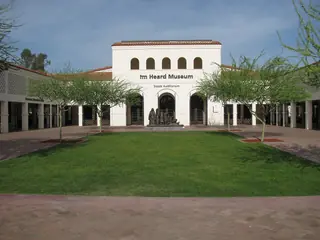
Heard Museum
Phoenix museum of American Indian art and culture, with a strong focus on the Native peoples of the Southwest from the past to today.
Show individual sections
About the museum
The museum was founded in 1929 by Dwight B. Heard and Maie Bartlett Heard, who wanted a home for their personal collection of art and artifacts. Part of the archaeological material came from La Ciudad, a prehistoric site in Phoenix that the couple had bought in 1926. The original building on Central Avenue still forms the core of the campus, and one gallery is devoted to the history of the museum itself.
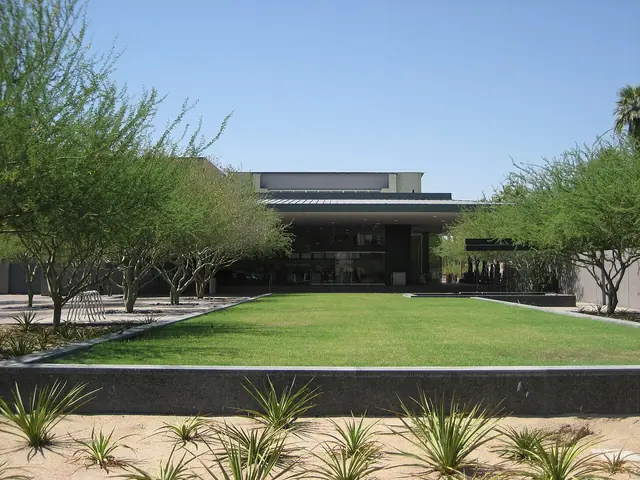
Over the following decades the Heard grew into a campus with more than 130,000 square feet of galleries, classrooms and performance space, organized around a central courtyard. Since 1958 it has hosted the annual Heard Museum Guild Indian Fair & Market, a juried event with several hundred Native artists. Branch museums in Surprise and Scottsdale have since closed.
The collection holds more than 40,000 objects, from historic pottery, baskets, textiles and jewelry to contemporary painting, sculpture, photography and fashion. Its signature installation, HOME: Native People in the Southwest, presents the cultures of Arizona's tribes, and a separate gallery tells the history of the federal American Indian boarding schools.
Highlights
- HOME: Native People in the Southwest with about 2,000 objects
- Display of around 500 Hopi katsina dolls
- Away From Home, on the history of American Indian boarding schools
- Navajo hogan and Hopi piki room within the galleries
- Annual Heard Museum Guild Indian Fair & Market
Permanent exhibitions
- HOME: Native People in the Southwest – The museum's signature installation on the Native cultures of the Southwest, with about 2,000 objects including jewelry, pottery, baskets, textiles and a large group of Hopi katsina dolls, plus a Navajo hogan and a Hopi piki room.
- Away From Home: American Indian Boarding School Stories – Updated installation in the A.J. Dickey Gallery on the federal boarding school policy that began in the 1870s, told through art, archival material and first-person interviews.
- Founded
- 1929
Admission & discounts
| Adults | $26 |
|---|---|
| Reduced | $21Seniors 65 and over, military with ID |
| Children & teens | $10free up to age 5 · Ages 6–17 $10; children 5 and under free. |
| Seniors | $21Ages 65 and over |
| Students & apprentices | $10College students with ID |
| Groups (10+ people) | –Private group tours for 10–40 people with at least two weeks' notice; groups can save up to 15% on admission. |
American Indians with tribal ID or CIB enter free. Museums for All: $5 per person for up to four people with an EBT card. AAA members receive $1 off adult or senior admission. Free for active-duty military families during the Blue Star Museums summer program. Culture passes are available from local libraries. Daily public tours are included with admission.
Accessibility
- Wheelchair accessible
- Elevator
- Accessible restroom
- Accessible parking
- Service dogs welcome
- Tactile models & exhibits: no information
- Sign language tours: no information
- Easy-to-read materials: no information
- Audio description: no information
Accessible for wheelchair users and visitors who need to avoid stairs; elevators to the second floors and a wheelchair lift in the Jacobson Gallery; electronic door openers across the campus. Complimentary manual wheelchairs on a first-come, first-served basis. ADA parking in the north and east lots. Assistive listening devices, personal sound amplifiers and a tour guide audio system can be borrowed at the Visitor Services Desk; written transcripts of multimedia content; ASL interpretation for guided group tours on request at least 10 business days in advance. Large-print transcripts for select exhibitions and color-correcting glasses. Sensory bags, noise-canceling headphones and weighted lap pads; the museum is a Pal Place with a digital guide for families of visitors with developmental disabilities. Photo ID required to borrow devices. Service animals, including trained miniature horses, are welcome; emotional support animals are not.
Kids & families
Great for kids & families
| Kids’ admission | free up to age 5 |
|---|
The Heardlings Activity Room is available for families. Children under 12 must be accompanied by an adult. Children 5 and under enter free.
Getting there & parking
By public transit
Encanto/Central · 5-min walk
Valley Metro Light Rail to Encanto/Central
By car
Free parking
Free parking on the museum grounds, including ADA spaces; during large events parking is often off-site. Bus and RV spaces are free for school and tour groups. Bike racks north of the Steele Auditorium entrance.
- Accessible parking
Ride-share drop-off near the east entrance of the Courtyard, next to the Courtyard Café.
Get directionsAddress & contact
Heard Museum2301 N. Central Ave
85004 Phoenix
Arizona, United States
Amenities & dining
- Café
- Museum shop
- Lockers
Courtyard Café (11:00–15:00) and Coffee Cantina (9:00–16:00); Heard Museum Shop and Books & More (10:00–16:00). Cafés and shops close on Mondays from June to August. Complimentary lockers; backpacks and umbrellas are not allowed in the galleries. No outside food or drink.
Events & venue rental
- Spaces for rent
Plan your visit
| Guided tours | yes · approx. 45 min |
|---|---|
| Audio guide | yes (EN) |
| School programs | yes |
| Photography | No flash photography, commercial photography, selfie sticks or tripods in the galleries. |
| Dogs | not allowed (assistance dogs excepted) · Pets and non-service comfort animals are not permitted; service animals are welcome. |
| Good to know | Free public tours daily at 10:30, 12:00, 13:00 and 14:30, lasting about 45–60 minutes, starting at the Information Desk; tours are also offered in Spanish and French. Self-guided audio tour in the Heard Museum app (bring earbuds); iPads with headphones on request. Private tours for 10–40 people by request. A video in the SkyDome runs on a loop (about 16 minutes). |
Visitor experiences
Loading experiences …