Japanese American National Museum
Museum in Little Tokyo on the history and culture of Japanese Americans, including incarceration in World War II; reopens January 23, 2027.
Show individual sections
About the museum
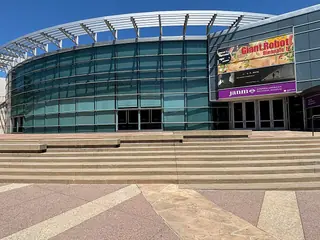
The Japanese American National Museum was founded in Los Angeles's Little Tokyo with Bruce Teruo Kaji as its founding president and opened to the public in 1992 in the former Hompa Hongwanji Buddhist Temple of 1925. In January 1999 it added the 85,000-square-foot Pavilion across the plaza, designed under the architect Gyo Obata. The museum is a Smithsonian affiliate and received the National Medal for Museum and Library Service in 2010.
Its long-running core exhibition, Common Ground: The Heart of Community, told some 130 years of Japanese American history, from the first immigrants through the mass incarceration of the Second World War to the present. The collection of more than 160,000 items includes artifacts, textiles, art, photographs, oral histories and a large group of home movies made between the 1920s and 1950s. The Ireichō, a book listing more than 125,000 people of Japanese ancestry incarcerated during the war, was completed in 2022.
The Pavilion closed for a renovation that brings a new first-floor core exhibition, In the Future We Call Now, larger second-floor galleries for changing shows, a more accessible Hirasaki National Resource Center, the Kosasa Education Center and a new glass entrance in Aratani Central Hall. The reopening is planned for January 23, 2027.
Highlights
- New core exhibition In the Future We Call Now (from 2027)
- History of Japanese American incarceration during World War II
- Collection of more than 160,000 artifacts, photographs and home movies
- Ireichō listing more than 125,000 incarcerated people
- Hirasaki National Resource Center for family and history research
Permanent exhibition
- In the Future We Call Now – New core exhibition on Japanese American history in the renovated first-floor galleries.
- Founded
- 1992
Admission & discounts
| Adults | $20 |
|---|---|
| Reduced | $12College students with ID, youth ages 6–18 |
| Children & teens | $12free up to age 5 · Free for children 5 and under; youth 6–18 $12. |
| Seniors | $15Ages 62 and older |
| Visitors with disabilities | –companion free · ADA caregivers accompanying a visitor with disabilities enter free. |
| Students & apprentices | $12College students with ID |
Free admission: Fridays after 17:00 and the first Friday of each month; also during festivals such as Oshogatsu (January) and Natsumatsuri (August) and on International Museum Day.
Prices apply from the reopening on January 23, 2027; admission includes all galleries and special exhibitions. Free with EBT card and photo ID (Museums for All). Blue Star Museums: free for active-duty military and their families from Memorial Day to Labor Day. $2 off with AAA or a Metro TAP card. Jurors with a badge enter free.
Accessibility
The museum is closed for renovation until January 23, 2027.
Kids & families
The museum is closed for renovation until January 23, 2027.
Getting there & parking
By public transit
Little Tokyo/Arts District (Metro A/E Line)
Metro A and E Line light rail to Little Tokyo/Arts District station, directly across the street; LADOT DASH A stops at 1st St and Central Ave. Union Station (Amtrak, Metrolink, Metro A, B and D Lines) is about 17 minutes on foot.
By car
Paid parking
Limited street parking. Paid lots nearby: Aiso Street Parking Garage (101 N Judge John Aiso St), Japanese Village Plaza Parking (115 S Central Ave) and Joe's Auto Parks on 2nd Street. The museum cannot validate parking.
Address & contact
Japanese American National Museum100 North Central Avenue
90012 Los Angeles
California, United States
Amenities & dining
- Museum shop
The JANM Store is closed during the renovation; online store at janmstore.com.
Events & venue rental
- Spaces for rent
- Private parties
Plan your visit
| School programs | yes |
|---|---|
| Good to know | Group and school visits are arranged through the museum. The Hirasaki National Resource Center supports family and history research. A digital guide is offered in the Bloomberg Connects app. |
Visitor experiences
Loading experiences …