Jefferson Barracks Telephone Museum
Volunteer-run museum of telephone history in an 1896 officers’ duplex in Jefferson Barracks Park, south of St. Louis.
Show individual sections
About the museum
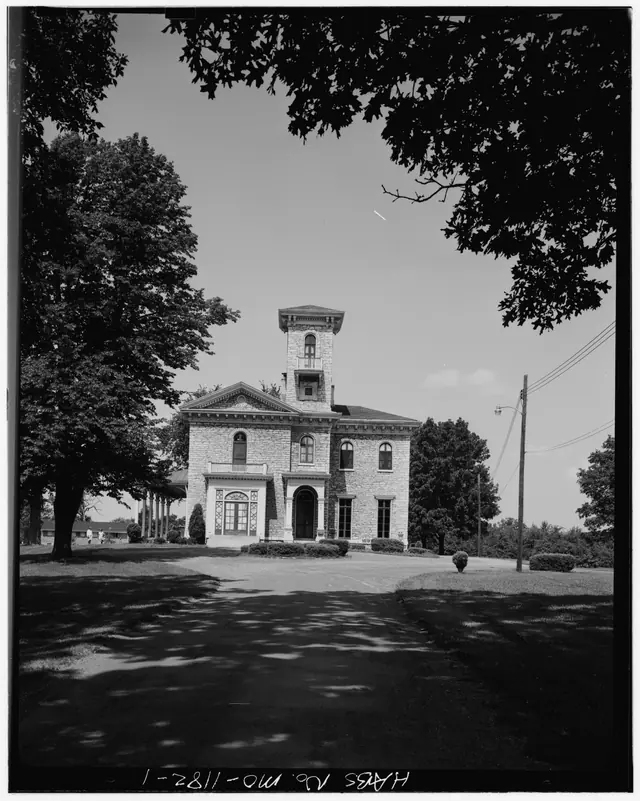
The museum occupies a two-family duplex built in 1896 by Richard Deutman and Son to a standard Quartermaster plan. It is one of two surviving buildings of Officers’ Row on the north side of the former parade ground of Jefferson Barracks, where army officers lived with their families until the mid-1940s. After the post was deactivated in 1946, the federal government transferred land and buildings to St. Louis County, and the area became part of a historic district listed on the National Register of Historic Places.
Employees and retirees of Southwestern Bell, SBC and AT&T, members of the Telecom Pioneers, and their families and friends spent more than 66,500 hours over 13 years restoring the building, which the museum leases from St. Louis County Parks. The museum welcomed its first visitors on May 4, 2016.
The collection covers telephones made from the late 1800s to the 2010s, together with switchboards, tools, memorabilia and military field telephones.
Highlights
- A working central office step-by-step switch
- Operator switchboards from the 1920s, 1940s and 1960s
- Military telephones from World War I to the Gulf War
- A telephone pole with linemen’s climbing gear
- Statue of Alexander Graham Bell and replicas of his early telephones
- Chart of St. Louis subscribers from the 1904 World’s Fair
Permanent exhibition
- Telephone history collection – Hundreds of telephones from the late 19th century to 2012, novelty phones, switchboards, line tools and company memorabilia.
- Founded
- 2016
Admission & discounts
| Adults | $5 |
|---|---|
| Children & teens | $3free up to age 4 · Ages 5–12 $3; free for children 4 and under |
| Seniors | $4Age 60 and over |
Free for active military with ID. Cash, credit cards and debit cards are accepted. Admission gift certificates are sold in the gift shop.
Booking: not required – tickets at the desk
Accessibility
- Wheelchair accessible
- Elevator: no information
- Accessible restroom
- Accessible parking
- Service dogs welcome
- Tactile models & exhibits: no information
- Sign language tours: no information
- Easy-to-read materials: no information
- Audio description: no information
All exhibits are on one floor. A ramp and wheelchair entrance are on the east side of the building. Chairs are placed throughout the museum for short breaks. Service animals are welcome.
Kids & families
Great for kids & families
| Time needed | approx. 60 min |
|---|---|
| Kids’ admission | free up to age 4 |
- Hands-on stations
Many hands-on objects let children try out old telephones. The museum welcomes school field trips.
Getting there & parking
By car
Free parking
Free parking directly behind the building along the sidewalk, plus a small lot north of the museum; space for buses and RVs. From Hancock Avenue, turn onto Cameron Street and immediately right onto the service road; the museum is the last building. Please do not drop off passengers in front of the museum on Hancock Avenue.
- Accessible parking
In Jefferson Barracks Park, about 15 minutes by car south of downtown St. Louis and about five minutes from the I-255/I-55/I-270 interchange; close to Route 66.
Get directionsAddress & contact
Jefferson Barracks Telephone Museum12 Hancock Avenue
63125 St. Louis
Missouri, United States
Amenities & dining
- Café: not available
- Restaurant: not available
- Museum shop
The gift shop sells telephones, accessories and telephone-related items.
Events & venue rental
The museum hasn’t published any information on this.
Plan your visit
| Guided tours | yes · approx. 60 min |
|---|---|
| School programs | yes |
| Dogs | not allowed (assistance dogs excepted) · Only service animals are allowed inside. |
| Good to know | The museum is self-guided; many of the docents worked in the telephone industry for decades. Guided tours for groups of 10 or more should be booked at least two weeks ahead by phone. The second floor is not open to the public. |
Visitor experiences
Loading experiences …