Klondike Gold Rush – Seattle Unit National Historical Park
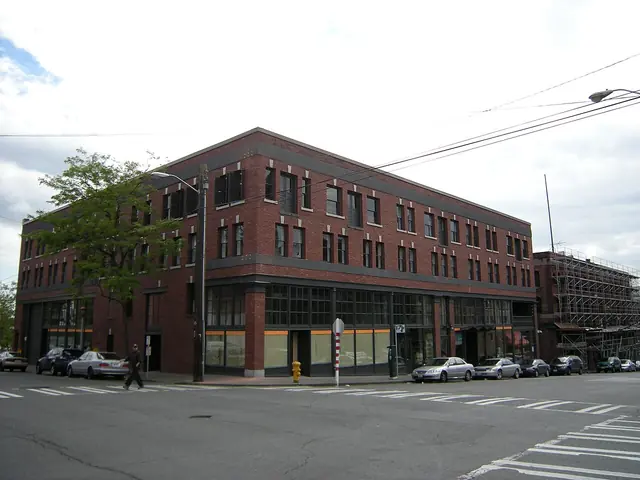
Free National Park Service visitor center and museum in the former Cadillac Hotel in Pioneer Square, telling how Seattle outfitted tens of thousands of stampeders bound for the Klondike gold fields.
Show individual sections
About the museum
In July 1897 the steamship Portland reached Seattle from Alaska with prospectors and a large cargo of gold, and news of the strike along a remote river in Canada’s Yukon spread quickly. Seattle merchants promoted the city as the gateway to the gold fields, and of roughly 100,000 people who set out for the Klondike, about 70,000 passed through Seattle to buy the supplies they needed. The rush brought money and people to the young city, which had just rebuilt its commercial district in brick and stone after the Great Seattle Fire of 1889.
Klondike Gold Rush National Historical Park was created by Congress in 1976 with sites in Washington and Alaska; its sister unit lies in Skagway. The Seattle unit first occupied a leased building on Main Street, which had been built only after the gold rush. It later moved into the Cadillac Hotel, a brick building erected shortly after the 1889 fire that already stood during the gold rush years.
Today the building serves as visitor center, museum and base for ranger programs. The park also presents the wider history of Seattle and Pioneer Square, including the Coast Salish peoples on whose land the city grew, and acts as a gateway to other national park sites in the region.
Highlights
- Two floors of self-guided, interactive exhibits on the Klondike Gold Rush
- Replica of a stampeder’s winter cabin and a wheel that shows whether you would have struck it rich
- Two park films of about 25 minutes on the journey north and Seattle’s role
- Historic Cadillac Hotel of 1889–1890 in the Pioneer Square Historic District
- Junior Ranger program and summer ranger programs
Permanent exhibition
- Klondike Gold Rush exhibits – Self-guided interactive exhibits on two floors about the journey of the stampeders to the Yukon, the outfitting trade that transformed Seattle, and the odds of finding gold.
- Founded
- 1976
- Operated by
- National Park Service
- Visitors per year
- approx. 65,000
Admission & discounts
Admission is free.
Admission is free; no entrance pass is required.
Accessibility
- Wheelchair accessible
- Elevator
- Accessible restroom
- Accessible parking: no information
- Service dogs welcome
- Tactile models & exhibits: no information
- Sign language tours: no information
- Easy-to-read materials: no information
- Audio description
Exhibit paths are at least 36 inches wide, and an elevator serves the basement level with exhibits. Accessible stalls in the restrooms on the main and basement levels; part of the information desk is lowered. Wheelchair spaces throughout the theater. Assistive listening devices for park films and ranger programs can be borrowed at the information desk; not available for exhibit videos. The films in the theater have closed captions; a few exhibit videos are not captioned. ASL interpretation for ranger programs on request at least three weeks in advance. Audio description for the park films with devices from the information desk; the park brochure is available in braille and in audio-described form. Staff can provide access to a quiet room. Service animals are welcome. Accessible on-street parking is managed by the City of Seattle.
Kids & families
Great for kids & families
- Family tours & workshops
- Activity booklet, scavenger hunt or kids’ audio guide
- Hands-on stations
- Baby changing facilities
Children can earn a Junior Ranger badge. Interactive exhibits invite visitors to compare a stampeder’s cabin with their own home and test their luck at striking it rich. Changing tables in the restrooms.
Getting there & parking
By public transit
International District/Chinatown Station (Link light rail)
Link light rail to International District/Chinatown Station; Sounder and Amtrak to King Street Station; First Hill Streetcar to S Jackson St & Occidental Ave; several King County Metro bus routes
By car
Paid parking
Pay-to-park street parking limited to two hours; private paid lots and garages nearby. Some nearby streets may be closed at times because of construction.
The visitor center is on the northwest corner of 2nd Avenue South and South Jackson Street. Sounder trains and Amtrak stop at King Street Station; the closest First Hill Streetcar stop is S Jackson St & Occidental Ave. About ten King County Metro bus stops on eight routes lie within four blocks. Washington State Ferries use the terminal on Pier 52, the West Seattle water taxi Pier 50.
Get directionsAddress & contact
Klondike Gold Rush – Seattle Unit National Historical Park319 Second Ave S
98104 Seattle
Washington, United States
Amenities & dining
- Museum shop
Park bookstore at the information desk.
Events & venue rental
The museum hasn’t published any information on this.
Plan your visit
| Guided tours | yes |
|---|---|
| School programs | yes |
| Good to know | Exhibits are self-guided. Docent tours are available on request at the front desk, and ranger-led programs run from Memorial Day to Labor Day. Self-guided walking tours of the Pioneer Square Historic District start here. A rotating exhibit is shown in the Kerr Room, and the Find Your Park room introduces other national park sites. Field trips for school groups. |
Visitor experiences
Loading experiences …