National Ranching Heritage Center
Free museum and historical park at Texas Tech in Lubbock with more than 50 relocated ranch buildings and galleries on ranching in North America.
Show individual sections
About the museum
The idea for a center on ranching history took shape in 1966 as a partnership between Texas Tech University and the Ranching Heritage Association, a member organization that still supports the center. The museum and historical park were formally dedicated in 1976.
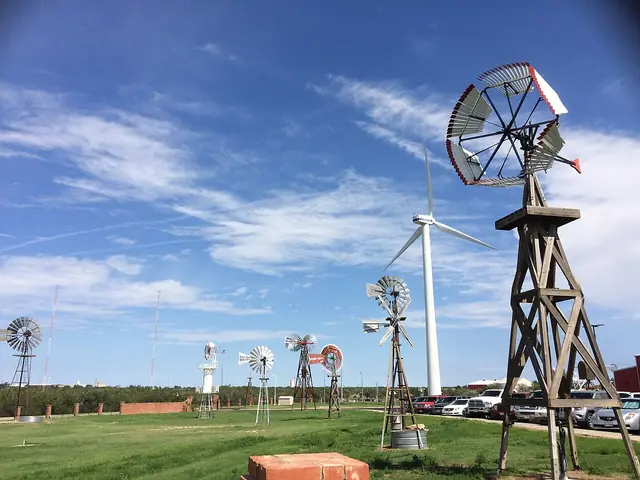
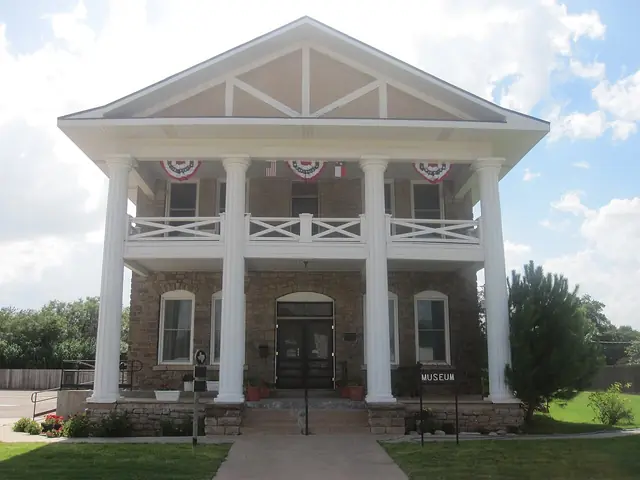
The 19-acre Foy Proctor Historical Park, named in 1999 after a West Texas rancher, holds more than 50 authentic ranch structures from the late 1780s to the 1950s. Almost all were moved from ranches across the Southwest, restored and furnished, and they are arranged in chronological order along paved paths to show how ranch life changed over time. They include a Spanish colonial stone house, dugouts, bunkhouses, a ranch commissary, a schoolhouse, windmills and family homes. Signs in English and Spanish explain each building.
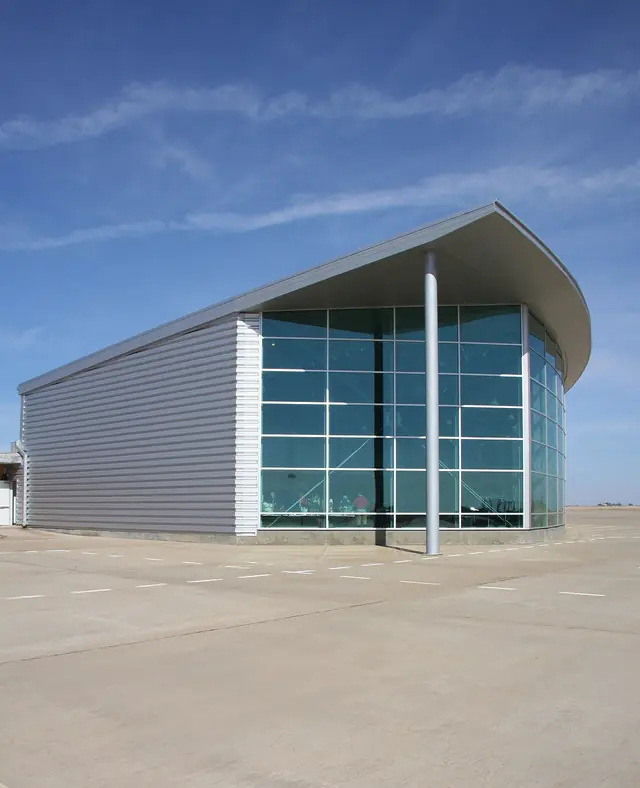
The 44,000-square-foot museum has seven galleries with exhibits of art, photographs and artifacts on Western and ranching life, among them the McKanna Gallery of Western Art. The grounds also feature 42 life-size bronze sculptures, and the Cash Family Ranch Life Learning Center introduces children to ranching through the world of Hank the Cowdog. The center hosts annual events such as Ranch Day and Candlelight at the Ranch.
Highlights
- More than 50 historic ranch buildings from the 1780s to the 1950s
- 19-acre Foy Proctor Historical Park with paved paths
- McKanna Gallery of Western Art
- 42 life-size bronze sculptures
- Hank the Cowdog’s M-Cross Ranch in the Cash Family Ranch Life Learning Center
Permanent exhibitions
- Foy Proctor Historical Park – More than 50 relocated and furnished ranch buildings from the late 1700s to the mid-1900s, arranged chronologically on 19 acres.
- Cash Family Ranch Life Learning Center – Hands-on introduction to ranch life for children, set in Hank the Cowdog’s M-Cross Ranch.
- Founded
- 1976
- Operated by
- Texas Tech University with the Ranching Heritage Association
Admission & discounts
Admission is free.
| Groups | –Groups of more than 20 should reserve two weeks ahead. Guided tours for 25–50 people on request for a $50 fee. |
|---|
Free admission; donations are welcome.
Booking: not required – tickets at the desk · Individuals and small groups need no reservation.
Accessibility
- Wheelchair accessible
- Elevator: no information
- Accessible restroom: no information
- Accessible parking: no information
- Service dogs welcome
- Tactile models & exhibits: no information
- Sign language tours: no information
- Easy-to-read materials: no information
- Audio description: no information
A mile and a half of paved paths gives wheelchair and stroller access to every structure in the historical park.
Kids & families
Great for kids & families
| Time needed | approx. 60 min |
|---|
- Family tours & workshops
- Activity booklet, scavenger hunt or kids’ audio guide
- Hands-on stations
- Stroller-friendly
Hank the Cowdog’s M-Cross Ranch in the Cash Family Ranch Life Learning Center, Toddler Tuesdays, printable scavenger hunts and family events such as Ranch Day.
Getting there & parking
On the Texas Tech University campus in Lubbock; buses drop groups at the main entrance.
Get directionsAddress & contact
National Ranching Heritage Center3121 4th Street
79409 Lubbock
Texas, United States
Amenities & dining
- Café: not available
- Restaurant: not available
- Museum shop
No restaurant; drinks and snacks at Cogdell’s at the Ranch, the gift shop inside the center. Water fountains on site.
Events & venue rental
- Spaces for rent
- Private parties
- Corporate events
Red McCombs Main Gallery, Anderson Room, Bridwell Board Room, Campbell Patio, Pitchfork Ranch Pavilion and Four Sixes Ranch Barn for receptions, dinners and workshops.
Inquiries & detailsPlan your visit
| Guided tours | yes |
|---|---|
| Audio guide | yes |
| School programs | yes |
| Photography | Photographers are welcome during regular hours; see the photo policy. |
| Dogs | not allowed (assistance dogs excepted) · Only service animals are allowed. |
| Good to know | Most visits are self-guided with free printed maps; a smartphone app gives photos, audio and text for each building. Summer trolley tours and Living History Saturdays in season. |
Visitor experiences
Loading experiences …