National Voting Rights Museum & Institute
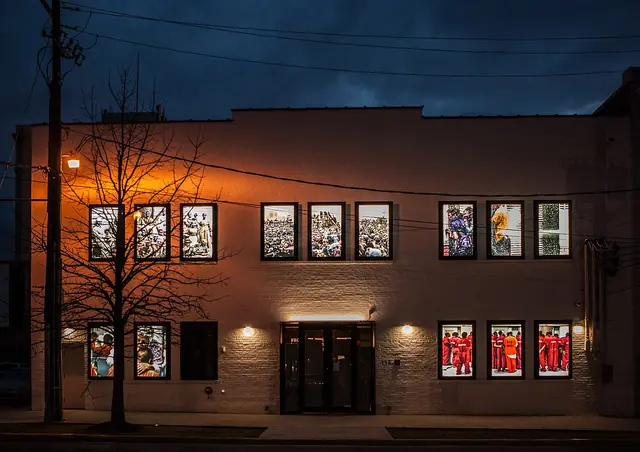
Museum at the foot of the Edmund Pettus Bridge in Selma on the struggle for voting rights, Bloody Sunday and the 1965 march to Montgomery.
Show individual sections
About the museum
The National Voting Rights Museum and Institute was founded in 1991 by veterans of the voting rights movement, among them Faya Ora Rose Touré, C. T. Vivian, Albert Turner, Amelia Boynton Robinson, Marie Foster, J. L. Chestnut Jr. and Joanne Bland. It opened in 1993 in Selma near the Edmund Pettus Bridge, where state troopers and local lawmen attacked peaceful marchers on Bloody Sunday, March 7, 1965, an event that led to the Selma to Montgomery march and the Voting Rights Act of 1965.
The museum is a memorial to the long struggle of African Americans to vote. Its main gallery includes the Footprints Hall of Fame with casts of marchers' footprints, a large mural based on a photograph of the march, a history of the Dallas County Voters League, and clothing and documents connected to Bloody Sunday. Further rooms cover the role of African American women in the suffrage movement, Reconstruction, the religious and legal sides of the movement and later political milestones. On the I Was There wall, visitors can leave their own accounts of taking part in voting rights efforts.
The institute also keeps an archive on Selma and Alabama voting rights history, offers guided tours of civil rights sites in Selma, and takes part in the annual Bridge Crossing Jubilee commemorating the march.
Highlights
- Footprints Hall of Fame with casts of marchers' footprints
- Objects and records connected to Bloody Sunday, March 7, 1965
- Gallery on African American women in the suffrage movement
- I Was There wall with visitors' own accounts
- Location at the foot of the Edmund Pettus Bridge
Permanent exhibitions
- Main Gallery and Footprints Hall of Fame – Casts of marchers' footprints, a mural of the march, materials on the Dallas County Voters League and objects linked to Bloody Sunday.
- Women's Suffrage Gallery – Presents the contributions of African American women to the fight for the vote.
- Founded
- 1991
- Operated by
- National Voting Rights Museum and Institute
Admission & discounts
| Adults | $10 |
|---|---|
| Reduced | $8.50Seniors 55 and over |
| Seniors | $8.50Ages 55 and over. |
| Students & apprentices | $10 |
| Groups | –Footprints to Freedom tour of both museums, Brown Chapel A.M.E. Church and a walk across the Edmund Pettus Bridge: $500 for up to 10 people plus a $75 guide fee, $30 for each additional person. Children's version for students: $60 per student for up to 20, $40 per student for 20 or more, plus the guide fee. Non-refundable processing fee of $25 (Monday–Thursday) or $100 (Friday–Sunday), due five days before arrival. |
| Combination ticket for both museums | $15 |
Self-guided admission per person; taxes included.
Accessibility
The museum hasn’t published any information on this.
Kids & families
A Footprints to Freedom children's tour for students covers young people in the movement, freedom songs, Footsoldiers Park, Brown Chapel and the bridge walk.
Getting there & parking
In Selma's historic district at the foot of the Edmund Pettus Bridge.
Get directionsAddress & contact
National Voting Rights Museum & Institute6 US Highway 80 East
36701 Selma
Alabama, United States
Amenities & dining
The museum hasn’t published any information on this.
Events & venue rental
The museum hasn’t published any information on this.
Plan your visit
| Guided tours | yes |
|---|---|
| Good to know | Weekend visits outside regular hours by appointment; groups must leave a cell phone contact and call if more than an hour late. Tobacco is not allowed inside the building. |
Visitor experiences
Loading experiences …