Natural History Museum of Utah
Utah's state museum of natural history in the Rio Tinto Center above Salt Lake City, with dinosaurs, gems, Native cultures and the Great Salt Lake.
Show individual sections
About the museum
The idea for the museum arose in 1959, when a University of Utah faculty committee decided to bring together natural history collections scattered across the campus. The Utah State Legislature established the Utah Museum of Natural History in 1963, and in 1969 it opened in the former George Thomas Library on the university's Presidents Circle, incorporating older collections such as those of the Deseret Museum.
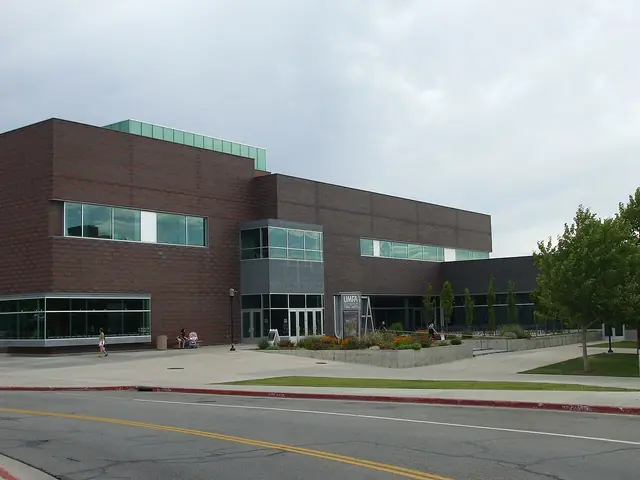
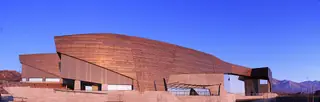
In November 2011 the museum moved to a new home, the Rio Tinto Center in the university's Research Park in the foothills above Salt Lake City, and took the name Natural History Museum of Utah. The building has about 163,000 square feet and draws its design from Utah's landscapes; its terraced galleries extend over several levels and offer wide views of the Salt Lake Valley. Many dinosaur skeletons were remounted in anatomically correct postures for the move.
Today it is the official natural history museum of the State of Utah and part of the University of Utah. Twelve long-term exhibitions explore billions of years of natural history, from the dinosaurs of Past Worlds and the minerals of Gems & Minerals to the Great Salt Lake and the cultures of Utah's Native peoples. The research collections cover anthropology, botany, insects, minerals, fungi, fossils and vertebrates, and scientists work in labs such as the Paleo Prep Lab and at the Range Creek Field Station.
Highlights
- Past Worlds, a large hall of dinosaur skeletons, many of them found in Utah
- Gems & Minerals gallery
- Native Voices and First Peoples on the cultures of Utah's Native peoples
- Great Salt Lake exhibition on the lake's ecology
- Rio Tinto Center with views over the Salt Lake Valley
Permanent exhibitions
- Past Worlds – Large hall of dinosaurs and other fossils, many known from Utah finds in the museum's own collections.
- Gems and Minerals – Minerals and crystals from the museum collection.
- Native Voices – Exhibition on the cultures and perspectives of Utah's Native peoples.
- Founded
- 1963
- Operated by
- University of Utah
- Visitors per year
- approx. 78,000
Admission & discounts
| Adults | $24.95 |
|---|---|
| Reduced | $22.95Seniors 65 and over and young adults 13–24 |
| Children & teens | $20.95free up to age 2 · Children ages 3–12 $20.95; children 2 and under free. |
| Seniors | $22.95Ages 65 and over. |
| Visitors with disabilities | –companion free · One companion supporting a visitor with a disability is admitted free. |
| Students & apprentices | –Young adults 13–24 $22.95; currently enrolled University of Utah students, faculty and staff free with ID. |
| Groups (21+ people) | –Discounted admission for groups of 21 or more, with a designated bus and group arrival area; tour operators receive tiered pricing. |
Booking: booking online recommended · Buying tickets online in advance speeds up entry; discounts must be applied at the admission desk.
Accessibility
- Wheelchair accessible
- Elevator
- Accessible restroom
- Accessible parking
- Service dogs welcome
- Tactile models & exhibits
- Sign language tours: no information
- Easy-to-read materials: no information
- Audio description
All entrances and exhibitions are accessible to wheelchairs and strollers; there is no ramp between Levels 4 and 5, so use the elevator. Wheelchairs free at the Ticket Desk on Level 1. Seven accessible parking spaces (two van-accessible) on the upper lot with a ramped path of about 356 feet to the entrance; drop-off at the turnaround. Accessible restrooms on every level, all-gender restrooms on Levels 1, 2, 3 and 5. Free descriptive audio tour and Aira visual interpreting service; sensory bags with tactile objects. Noise-canceling headphones, light-sensitivity glasses and fidget toys to borrow; social story for preparing a visit. ASL interpretation for visits, tours, programs and lectures on request (2–4 weeks ahead); transcripts and closed captions for selected virtual programs.
Kids & families
Great for kids & families
| Time needed | approx. 2 hrs |
|---|---|
| Kids’ admission | free up to age 2 |
- Family tours & workshops
- Hands-on stations
- Baby changing facilities
- Kids’ birthday parties
Family Seasonal Science, free Family STEAM Explorations, story time, family yoga, family late nights, school break mini camps and award-winning summer camps; science-themed birthday parties for ages 5–10. Infant Care Room with changing table on Level 2.
Getting there & parking
By public transit
UTA bus routes 223 (Monday to Saturday), 455 and 473 (weekdays) stop at Chipeta Way and Wakara Way, followed by an uphill walk; no UTA service to the museum on Sundays. The University of Utah campus shuttle (Sunnyside Route and RP Circulator) stops in front of or near the museum.
By car
Parking available
Two levels of surface parking next to the building, with an uphill walk to the entrance; overflow parking as signed and street parking on Colorow Road, one block west.
- Accessible parking
In the University of Utah Research Park at the top of Wakara Way, off Foothill Drive. Bike racks at the front of the museum.
Get directionsAddress & contact
Natural History Museum of Utah301 Wakara Way
84108 Salt Lake City
Utah, United States
Amenities & dining
- Café
- Museum shop
Canyon Café on Level 2 with espresso bar, drinks and food, daily 10:00–17:00, also open without museum admission; online preordering. Museum Store.
Events & venue rental
- Spaces for rent
- Private parties
- Corporate events
- Weddings / ceremonies
Weddings, corporate and private events in the galleries and outdoor spaces of the Rio Tinto Center; commercial filming and photography. Events team: +1 801 585 9538.
Inquiries & detailsPlan your visit
| Guided tours | yes |
|---|---|
| Audio guide | yes (EN) |
| School programs | yes |
| Good to know | An average visit takes two to three hours. Insider Stories audio tour; groups can choose self-guided or audio-guided visits. A small-group tour (adults and teens 13+, up to 10 people) explores Past Worlds and visits the Paleo Prep Lab behind the scenes. Museum maps in English and Spanish. |
Visitor experiences
Loading experiences …