Western Pacific Railroad Museum
Hands-on railroad museum in a former Western Pacific diesel shop in Portola, with one of the largest collections of diesel locomotives in the country.
Show individual sections
About the museum
The Western Pacific Railroad Museum is run by the Feather River Rail Society, a nonprofit founded in 1983, and is dedicated to the history of the Western Pacific Railroad. It occupies a former Western Pacific locomotive facility in Portola, beside the old main line through the Feather River Canyon, and was called the Portola Railroad Museum until 2006.
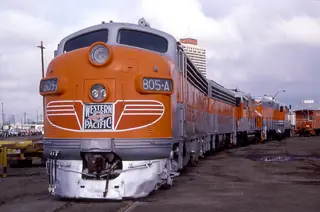
The collection includes around 30 diesel locomotives, a steam switch engine, passenger cars including four from the California Zephyr, freight and maintenance cars and many cabooses, together with corporate records, photographs and personal collections of former railroad employees. Among the best-known pieces are FP7 No. 805-A, which pulled the California Zephyr, GP20 No. 2001 and the 1919 ALCO steam locomotive No. 165. The Portola Diesel Shop of 1953 also stands on the site.
The museum calls itself a hands-on museum: there are few barriers, and visitors may climb into many locomotives and cars. Spread over 36 acres, most of the collection stands outdoors. In summer, caboose train rides run on weekends, and in the Run-A-Locomotive program visitors can operate a diesel locomotive themselves.
Highlights
- One of the largest collections of diesel locomotives in the United States
- California Zephyr locomotive Western Pacific FP7 No. 805-A
- Visitors can climb aboard many locomotives and cars
- Weekend caboose train rides from Memorial Day to Labor Day
- Run-A-Locomotive program to drive a diesel locomotive
Permanent exhibitions
- Locomotive and Rolling Stock Collection – Diesel locomotives, passenger and freight cars and cabooses of the Western Pacific and other railroads, many of which visitors can board.
- Portola Diesel Shop – The 1953 Western Pacific diesel shop on the museum grounds, with the museum store at its entrance.
- Founded
- 1984
- Operated by
- Feather River Rail Society
Admission & discounts
| Adults | $10 |
|---|---|
| Reduced | $8Seniors 65 and over and active military |
| Children & teens | $6free up to age 4 · Youth 5–18 $6 |
| Seniors | $865 and over |
| Families | $25Two adults and their related children 18 and under |
| Train ride ticket, adult (weekends Memorial Day–Labor Day, valid all day) | $5Youth 5–18 $4, seniors and active military $5, family $14, children 4 and under free |
| Locomotive cab ride, adult | $20Youth 4–18 $12; one ride with the engineer |
Admission wristbands and train ride tickets are sold in the museum store at the entrance to the diesel shop. The Run-A-Locomotive program has its own rates and requires reservations.
Booking: not required – tickets at the desk · Admission and train tickets are bought on arrival in the museum store; Run-A-Locomotive sessions are reserved separately.
Accessibility
The museum hasn’t published any information on this.
Kids & families
Great for kids & families
| Kids’ admission | free up to age 4 |
|---|---|
| Family ticket | $25 · Two adults and their related children 18 and under |
- Hands-on stations
Children can climb aboard locomotives and cars and ride the caboose train in summer; children 4 and under are free.
Getting there & parking
About an hour’s drive from Reno and Lake Tahoe and about three hours from Sacramento.
Get directionsAddress & contact
Western Pacific Railroad Museum700 Western Pacific Way
96122 Portola
California, United States
Amenities & dining
- Museum shop
Museum store with snacks, soft drinks and bottled water.
Events & venue rental
The museum hasn’t published any information on this.
Plan your visit
| Photography | Photography and video are welcome; commercial filming needs permission from staff. |
|---|---|
| Dogs | allowed · Friendly dogs are welcome on a leash; owners must clean up after them. |
| Good to know | Most of the collection is outdoors on a 36-acre site with dirt and gravel paths; wear comfortable closed-toe shoes and clothes that may get dirty, and bring sun protection and water. Visitors climb ladders and steps to board equipment. The site is a working rail yard where trains may move on any track at any time. A web-based tour guide is available for self-guided visits. |
Visitor experiences
Loading experiences …