June 27, 2026 – December 31, 2026
Creating a City of Medicine
Looks at 250 years of Philadelphia's influence on health and healing in the United States.

Medical history museum of The College of Physicians of Philadelphia, known for its anatomical and pathological specimens, models and instruments.
June 27, 2026 – December 31, 2026
Looks at 250 years of Philadelphia's influence on health and healing in the United States.
May 30, 2026 – December 31, 2026
Examines the outbreak of an unidentified, deadly pneumonia during the 1976 Bicentennial celebrations.
March 21, 2026 – December 31, 2026
Centers on the therapeutic use of creative arts within and beyond clinical settings.
March 4, 2026 – December 31, 2026
Examines the origins of American pharmacy and American botanical medicine.
October 11, 2025 – December 31, 2026
Explores how medicine and advertising developed together, using medical trade ephemera.
The College of Physicians of Philadelphia, founded in 1787, is one of the oldest professional medical organizations in the United States. In 1858 the surgeon Thomas Dent Mütter, a Fellow of the College, gave it his teaching collection of more than 1,700 specimens, models and instruments together with an endowment, on condition that it be maintained and expanded. The museum named after him opened in 1863.
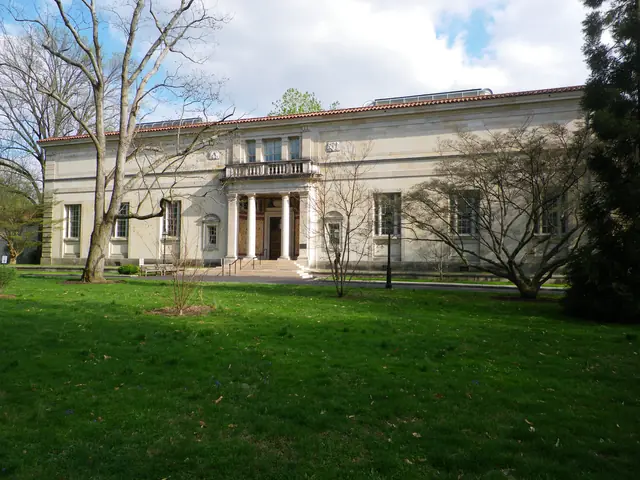
The collection grew through donations from physicians and institutions and today counts more than 25,000 objects, among them skeletal and fluid-preserved specimens, wax and plaster models, medical instruments and pharmaceuticals. Since 1909 it has been housed in the College's building on South 22nd Street, where cases from the 19th century still line the galleries. The College also maintains the Historical Medical Library and the Benjamin Rush Medicinal Plant Garden.
The museum presents the history of medicine and the human body and addresses questions of health, disease and the ethical care of human remains.
| Adults | $25 |
|---|---|
| Reduced | $20Students with valid ID and youth 6–17 |
| Children & teens | $20free up to age 5 · Free for children 5 and under; youth 6–17 $20. |
| Seniors | $23Over 65 with valid ID |
| Visitors with disabilities | –companion free · Personal care assistants accompanying a paying visitor are admitted free. |
| Students & apprentices | $20With valid ID |
| Dual Admission Ticket with a partner museum, adults | $37Seniors $33, students and youth 6–17 $23 |
Military with valid ID $23. Holders of a Pennsylvania or Delaware ACCESS card and photo ID pay $2 each for up to four family members.
Booking: booking online recommended · timed-entry tickets · Advance tickets are highly recommended, especially on weekends; entry is limited to 50 visitors per half hour.
Step-free access at the rear entrance on Van Pelt Street (use the intercom). The lower-level galleries are reached by an elevator with staff help; it fits wheelchairs up to 32 inches wide. Free manual wheelchairs at the admissions desk. Accessible restrooms on the second floor. ASL video guide to selected objects online. ASL tours, touch tours and sensory-friendly mornings several times a year; ASL interpretation, CART captioning and verbal description tours on request. An accessible on-street parking space at 22nd and Chestnut Streets.
Only partly suitable for kidsRecommended for ages 10+
| Kids’ admission | free up to age 5 |
|---|
About a fifth of the collection consists of human remains, some of them disturbing; the museum recommends a visit from age 10, at the discretion of parents. Strollers are not permitted in the galleries.
22nd Street (SEPTA trolley)
SEPTA trolley (green line) to 22nd and Market Streets, half a block north; Suburban Station within walking distance; Regional Rail, Market-Frankford Line and Amtrak to 30th Street Station, about a 10-minute walk.
No on-site parking at the museum.
No museum parking lot. Two paid lots next to and behind the building (entrances on Market Street between 21st and 22nd Streets and on 21st Street between Market and Chestnut Streets) and metered street parking.
No café; food and drink are not allowed in the galleries. Free lockers (a refundable quarter is needed) for items up to 12 x 14 x 15 inches; strollers and larger items go in the self-serve coat room.
The museum hasn’t published any information on this.
| Audio guide | yes |
|---|---|
| Photography | No photography or video in the museum; photos are allowed in the lobby, the Norris Reading Room and the medicinal plant garden. |
| Good to know | Digital guide with audio tour on Bloomberg Connects; printed gallery guide in several languages. Admission is limited to 50 visitors per half hour. |
Loading experiences …