Musée de la faïence et des beaux-arts
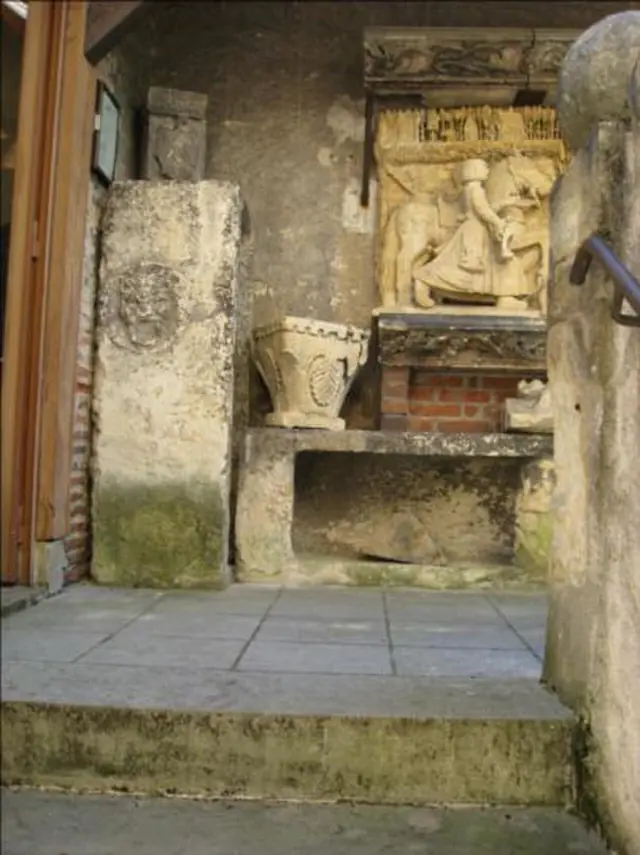
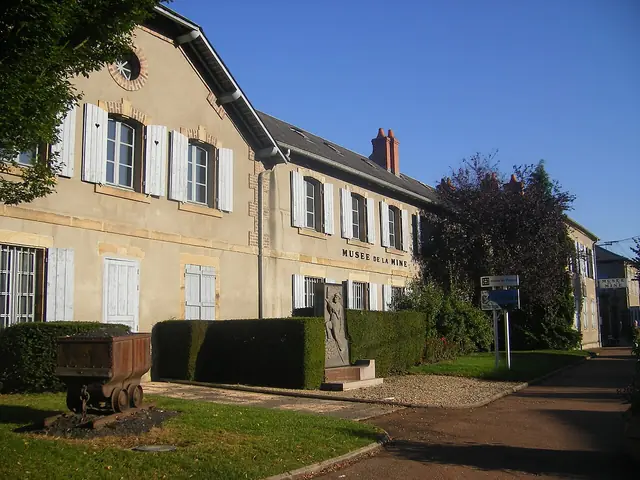
The Musée de Nevers is devoted to Nevers faience, enameled glass and the fine arts. It is housed in the former Notre-Dame abbey.
Geen geluid? Controleer de stilschakelaar van je apparaat.
Alleen afzonderlijke secties laten voorlezen
Over het museum
The first municipal museum in Nevers opened in 1844 in the municipal library, on the initiative of mayor Jean Desveaux. In 1847, the collector Jacques Gallois sold his collection to the town for a token sum. In 1907, the patron Frédéric Blandin, who had links to the town’s faience factories, financed the purchase of the former bishop’s residence to house the museum, which then took its name. After the Second World War, the collections were dispersed and later moved to the Hôtel de Vertpré.
In 1975, the museum moved into the Hôtel Roussignhol, built in 1810 on the remains of the Notre-Dame abbey, in the heart of the faience makers’ quarter. Between 2003 and 2013, the buildings were transformed by a contemporary extension combining stone and wood. In September 2013, the museum reopened under the name musée de la Faïence et des Beaux-Arts. It holds the “Musée de France” label.
The collections show Nevers faience, which emerged in the 16th century with Italian craftsmen, notably through the Montagnon collection acquired since 2017. They also include figurines in enameled glass, a technique that also originated in Nevers at the same time, and French paintings from the 17th to the 20th century, including works by Vlaminck, Valadon, Utrillo and Picabia and by artists from Nevers.
Hoogtepunten
- Nevers faience from the 17th to the 19th century, including the Montagnon collection
- Enameled glass from the Loynel d’Estrie collection, on loan from the Louvre
- Technical room on how faience is made
- Paintings by Vlaminck, Valadon, Utrillo and Picabia
- Bossuat bequest (1935): modern painting, Art Nouveau and the École de Paris
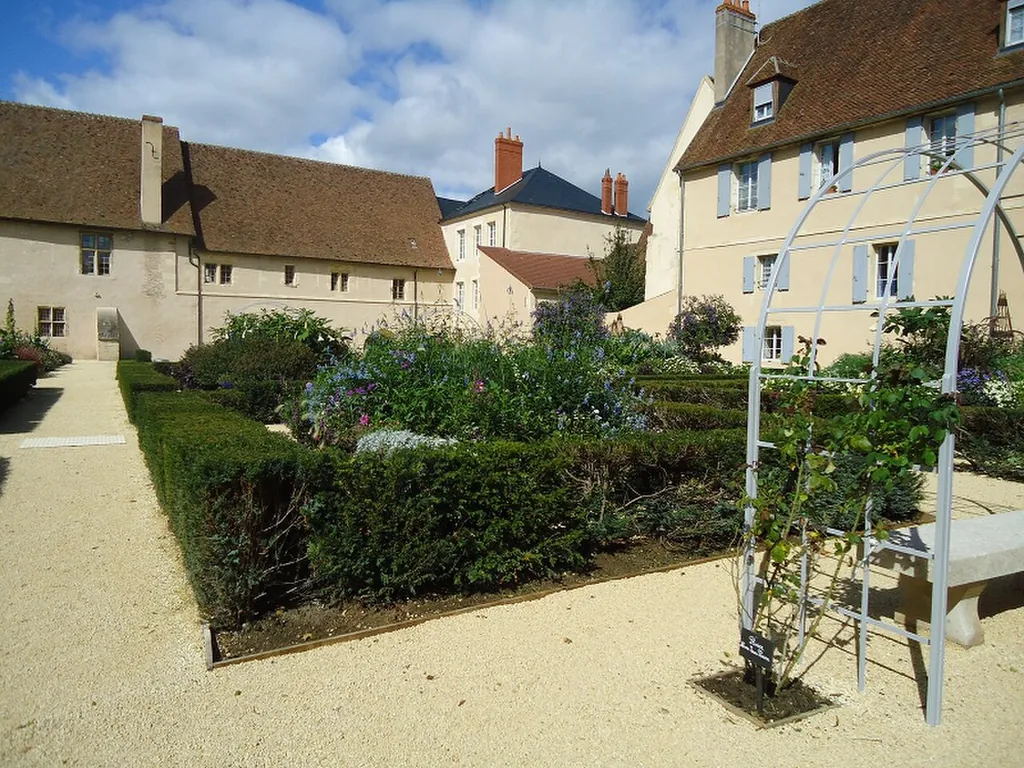
- Multi-level gardens with themed flower beds
Vaste collectie
- Les faïences de Nevers – Two galleries trace the history of Nevers faience, from the golden age of the 17th and 18th centuries to the patriotic and prize-winning pieces of the 19th century.
- Les verres émaillés – Enameled glass figurines and decorated boxes, a meticulous technique that emerged in Nevers in the 16th century, mainly from the Loynel d’Estrie collection.
- Les beaux-arts – French painting from the 17th to the 20th century, with Vlaminck, Valadon, Utrillo, Picabia, artists from Nevers and the Bossuat bequest.
- Opgericht
- 1844
- Beheerder
- Ville de Nevers
- Bezoekers per jaar
- ca. 20.407
Toegangsprijzen & kortingen
| Volwassenen | € 8 |
|---|---|
| Met korting | –Half price for recipients of social minimum benefits, visitors with reduced mobility and their companion, groups of more than 10 people, members of the Amis du Louvre and Amis de Sèvres, and members of CNAS |
| Kinderen & jongeren | gratisgratis t/m 24 jaar · Free for under 25s. |
| Mensen met een beperking | –Half price for visitors with reduced mobility and their companion. |
| Studenten | gratisFree for students and apprentices. |
| Groepen (vanaf 10 pers.) | –Half price from 10 people. Guided tour for a group of up to 30 people: €80 in total, admission included. |
| Guided museum tour (full price) | € 10€5 at the reduced rate; by registration. |
Gratis toegang: First Sunday of the month; first Friday of the month from 18:00 to 21:00; Museum Night, Rendez-vous aux jardins, European Days of Architecture, Archaeology and Heritage
The ground-floor areas (Micro-Folie, gardens, temporary exhibitions) are always free for everyone. Admission is also free for culture professionals, teachers (Pass Éducation), journalists and members of the museum’s Friends association.
Toegankelijkheid
- Rolstoeltoegankelijk: geen informatie
- Lift: geen informatie
- Aangepast toilet: geen informatie
- Gehandicaptenparkeerplaats
- Hulphonden welkom: geen informatie
- Tastmodellen / voelbare objecten: geen informatie
- Rondleidingen in gebarentaal: geen informatie
- Informatie in eenvoudige taal: geen informatie
- Audiodescriptie: geen informatie
Visitors with reduced mobility enter through the gardens (gate near the Saint-Genest church). Two spaces are reserved on rue Saint-Genest, near the entrance to the gardens.
Kinderen & gezin
Erg geschikt voor kinderen & gezinnen
| Toegang kinderen | gratis t/m 24 jaar |
|---|
- Gezinsrondleidingen & workshops
During school holidays, workshops for ages 6 to 12 (terracotta, drawing, painting with natural pigments) are run by heritage mediators, by registration.
Bereikbaarheid & parkeren
Met het openbaar vervoer
Charles-de-Gaulle / place Mossé
Bus: Charles-de-Gaulle or place Mossé stops.
Met de auto
Parkeerplaats aanwezig
Parking on place Saint-Sébastien, in La Verrerie (parking disc zone) and in the Parc Salengro (free); two spaces for visitors with reduced mobility on rue Saint-Genest. Bicycle parking in the museum gardens; coaches on rue du Colonel-Roche.
- Gehandicaptenparkeerplaats
On foot via rue Saint-Genest (forecourt or gardens) or via the promenade des Remparts.
Route plannenService & horeca
- Café
- Museumwinkel
The reception area has a terrace where you can have a hot or cold drink, and a shop with a bookshop (postcards, catalogues, faience objects, jewelry).
Evenementen & zaalverhuur
- Ruimtes te huur
- Privéfeesten: niet aanwezig
- Zakelijke evenementen
Tot 90 personen.
Hire of the museum garden, the Jean-Pierre Harris room (up to 90 people) or the entire site, reserved for associations, local authorities, public bodies, companies and works councils (€500 for the garden or the room, €3,000 for the entire site).
Je bezoek plannen
| Rondleidingen | ja |
|---|---|
| Aanbod voor scholen | ja |
| Goed om te weten | Guided tours of the museum are offered by reservation, notably on the first Friday of the month during extended opening. The museum welcomes groups and school classes from nursery to university, with tours and workshops adapted to each level. A documentation centre is open by appointment. The museum also runs the Micro-Folie digital museum. |