Museo Arqueológico y Etnológico de Granada
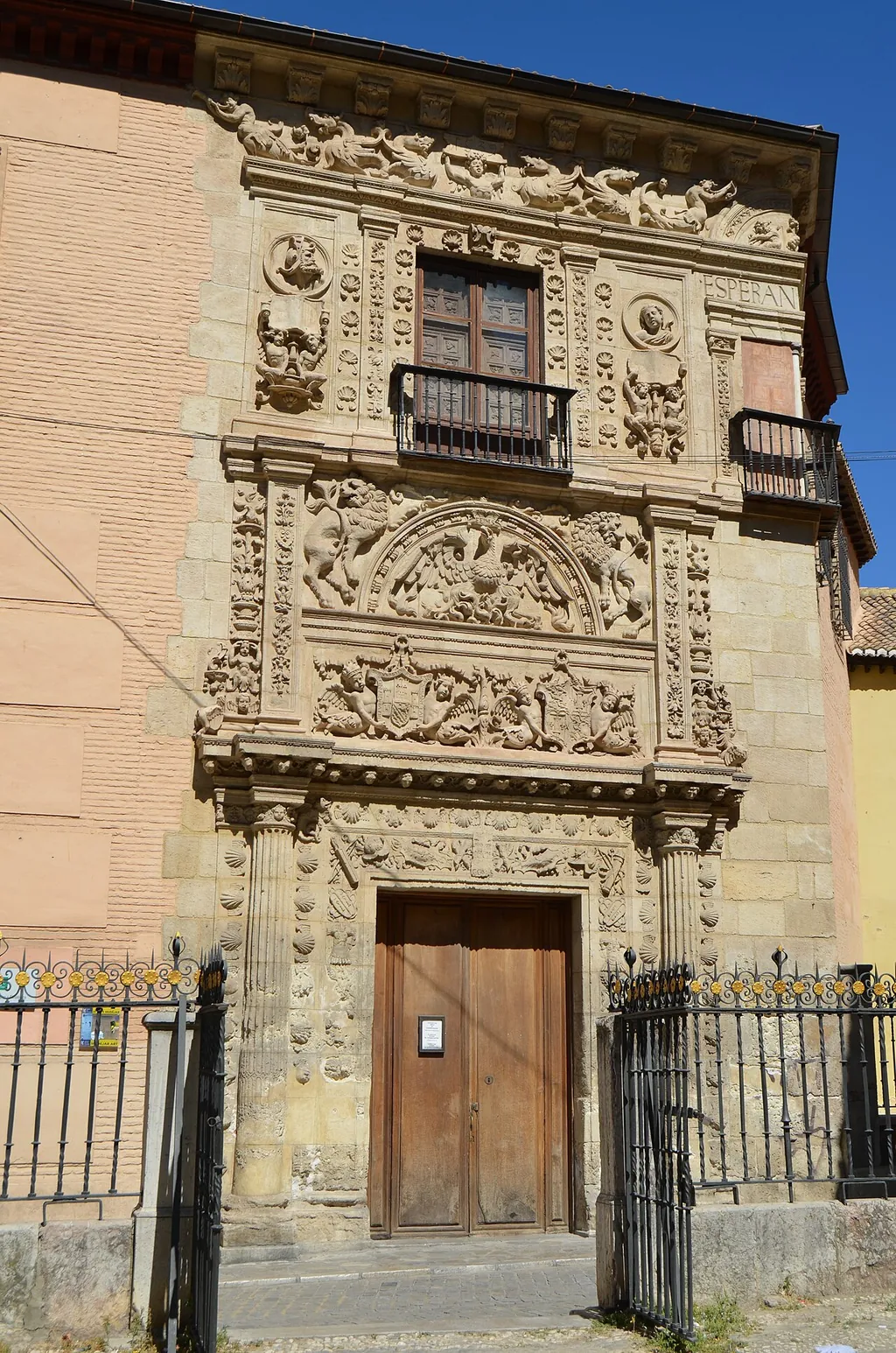
Archaeological museum housed in the Casa de Castril, a Renaissance palace of 1539, with pieces from prehistory to the Middle Ages.
Alleen afzonderlijke secties laten voorlezen
Over het museum
The museum is one of the oldest of its kind in Spain. Between 1842 and 1879 it existed only as a cabinet of antiquities of the Granada Commission of Monuments, which brought together the first finds from the Emirate-Caliphate city of Medina Elvira, in Atarfe. In 1879 the Museo Arqueológico Provincial was created, with archaeology and fine arts sections, and its first director was Francisco Góngora del Carpio. For decades it passed through different premises, including the convent of Santa Cruz la Real, council offices and a house on calle Arandas, all poorly suited to the purpose.
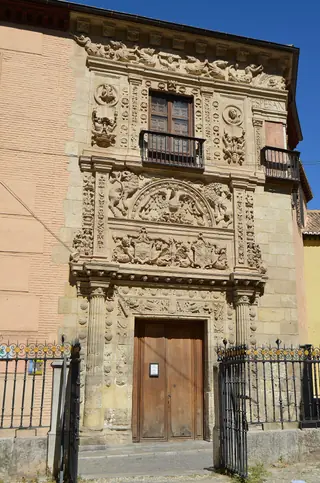
In 1917 the Casa de Castril, a Renaissance palace of 1539 on the Carrera del Darro attributed to Sebastián de Alcántara, was acquired to house the museum permanently. The architect Fernando Wilhelmi Manzano reformed it between 1917 and 1941 and added a pavilion; in 1962 the neighbouring house of the painter Rafael Latorre was bought to expand the space. The current layout of the route, which covers from prehistory to the end of the Middle Ages, dates from the 1970 reform. In 1980 an ethnological section was created that was never developed, although collections of Castril glass and Granada pottery from Fajalauza are kept in reserve.
The Junta de Andalucía took over the museum in 1984 and embarked on a long period of renewal. The permanent exhibition begins with human evolution in the Palaeolithic, with remains of Homo erectus from Orce and of a Neanderthal from the Cueva de la Carigüela, and continues with the Neolithic, the Copper Age and the Bronze Age, with sites such as Los Millares and the Argaric culture.
Hoogtepunten
- Homo erectus remains from Orce (c. 1,200,000 BC)
- Neanderthal from the Cueva de la Carigüela (Piñar)
- Gold diadem and esparto objects from the Cueva de los Murciélagos in Albuñol
- Ivory idol from El Malagón (Cúllar-Baza)
- Casa de Castril, Renaissance palace of 1539 on the Carrera del Darro
Vaste collectie
- Exposición permanente: de la Prehistoria a la Edad Media – Chronological route through human evolution and the cultures of the Palaeolithic, Neolithic, Copper Age and Bronze Age, with sites from the province of Granada and objects of everyday use and great artistic value.
- Opgericht
- 1879
- Beheerder
- Consejería de Cultura, Patrimonio Histórico y Deporte de la Junta de Andalucía
Toegangsprijzen & kortingen
| Volwassenen | € 1,50 |
|---|---|
| Groepen | –Group visits are booked through the booking platform of the Consejería de Cultura. |
Admission is free for accredited citizens of the European Union; for all other nationalities it costs €1.50.
Toegankelijkheid
Het museum heeft hierover geen informatie gepubliceerd.
Kinderen & gezin
Het museum heeft hierover geen informatie gepubliceerd.
Bereikbaarheid & parkeren
Met het openbaar vervoer
Urban bus lines C1 and C2; taxi rank at Plaza Nueva.
Met de auto
Nearest public car parks: Mercado de San Agustín and Plaza de Puerta Real.
Service & horeca
Het museum heeft hierover geen informatie gepubliceerd.
Evenementen & zaalverhuur
Het museum heeft hierover geen informatie gepubliceerd.
Je bezoek plannen
| Goed om te weten | The museum organises activities such as games in the museum and dramatised visits; the programme appears in the news section of its website. |
|---|