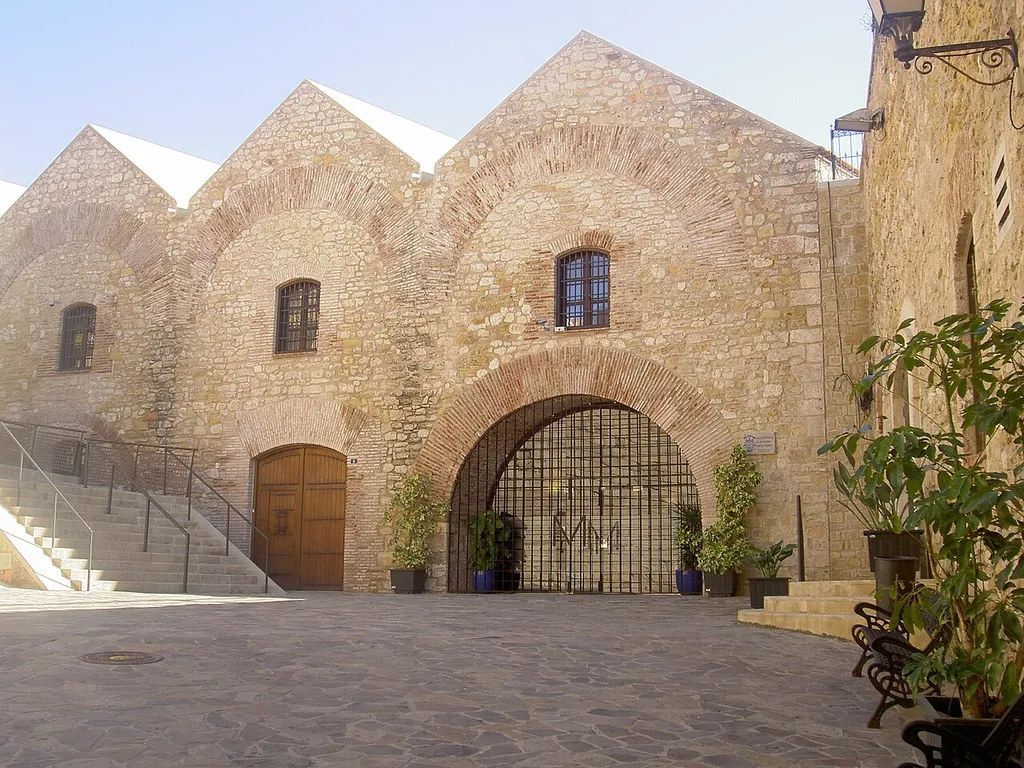
Museo de Melilla
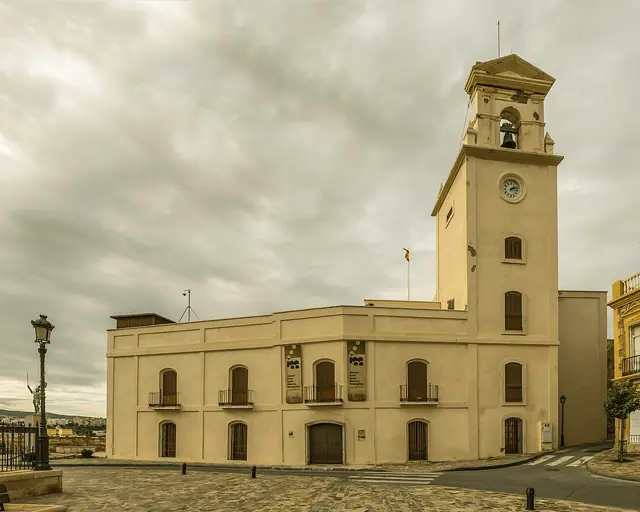
Museum of history, archaeology and ethnography in the Peñuelas warehouses (18th century), with a route from prehistory to the present day.
Alleen afzonderlijke secties laten voorlezen
Over het museum
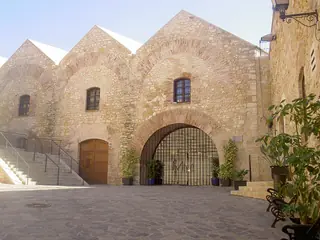
The Peñuelas building was constructed in 1781, under the reign of Charles III and the government of Antonio Manso, as vaulted warehouses within the fortified enclosure of Melilla la Vieja. In 1897 the Alcántara theatre and a residence for the military governor were built on top of its vaults, which for decades hid the building’s original volume.
The Autonomous City (Ciudad Autónoma) began its rehabilitation in 2007, in collaboration with the Ministry of Culture and under the direction of the architects Manuel Ángel Quevedo and Mateo Bazataquí. The later building was carefully demolished, the pitched roof was recovered, a passageway that had been walled up since the early 20th century was cleared, and the wide brick naves, which now form the rooms, were preserved. The preliminary archaeological works brought to light seven storage jars and medieval Islamic pottery in silos, which were incorporated into the project.
The museum, with 1,756.75 m² of floor space on two floors, functions as the city’s museum. The ground floor brings together the Sephardic, Amazigh and Romani cultures. The upper floor offers a chronological itinerary that passes through prehistory and the Neolithic, the Phoenician and Punic Rusaddir, the Mauri and Romans, the Islamic Malila, Spanish Melilla from the 16th to the 19th century, and contemporary Melilla.
Hoogtepunten
- Vaulted 18th-century brick naves in a rehabilitated historic building
- Chronological tour of Melilla’s history, from prehistory to the present day
- Sections on the Phoenician and Punic Rusaddir and on the Islamic Malila
- Collections of Sephardic, Amazigh and Romani cultures on the ground floor
- Storage jars found during the rehabilitation works
Vaste collectie
- Recorrido histórico de Melilla (planta alta) – Chronological tour of the city’s history: prehistory and the Neolithic, Phoenician and Punic Rusaddir, Mauri and Romans, Islamic Malila, Spanish Melilla (16th–19th centuries) and contemporary Melilla.
- Culturas sefardí y amazigh (planta baja) – Rooms devoted to Melilla’s Sephardic Jewish community, with its festivals and rites, and to the Amazigh culture of the Rif, with its agriculture, jewellery and daily life.
- Beheerder
- Ciudad Autónoma de Melilla (Consejería de Educación, Cultura, Festejos e Igualdad)
Toegangsprijzen & kortingen
De toegang is gratis.
Free admission.
Toegankelijkheid
- Rolstoeltoegankelijk
- Lift: geen informatie
- Aangepast toilet: geen informatie
- Gehandicaptenparkeerplaats: geen informatie
- Hulphonden welkom: geen informatie
- Tastmodellen / voelbare objecten: geen informatie
- Rondleidingen in gebarentaal: geen informatie
- Informatie in eenvoudige taal: geen informatie
- Audiodescriptie: geen informatie
People with reduced mobility reach the ground floor through a passageway from the car park in Plaza del Veedor. The upper floor is reached by a light wooden walkway that spans the courtyard from the access road.
Kinderen & gezin
Het museum heeft hierover geen informatie gepubliceerd.
Bereikbaarheid & parkeren
Met de auto
Parkeerplaats aanwezig
Car park in Plaza del Veedor, from which people with reduced mobility can reach the museum’s ground floor.
Melilla la Vieja has a free on-demand transport service (Monday to Friday 08:00–20:00 and Saturdays 08:00–15:00) and the Melilla la Vieja lift at the Torreón de las Cabras (Calle Cuesta de la Florentina, s/n; every day 07:45–23:00).
Route plannenService & horeca
Het museum heeft hierover geen informatie gepubliceerd.
Evenementen & zaalverhuur
Het museum heeft hierover geen informatie gepubliceerd.
Je bezoek plannen
| Goed om te weten | Groups can book by calling +34 952 699 193. |
|---|