Musée Rude
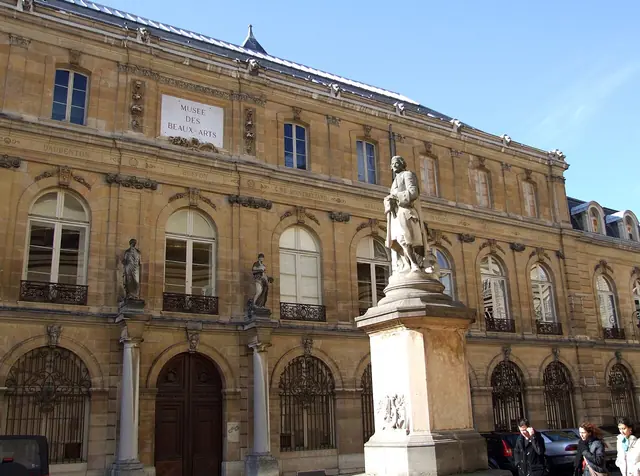
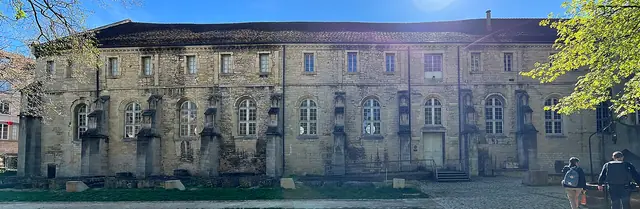
Museum in the former church of Saint-Étienne in Dijon, with plaster casts of works by the sculptor François Rude and remains of the castrum.
Ingen lyd? Tjek lydløs-knappen på din enhed.
Få kun enkelte afsnit læst op
Om museet
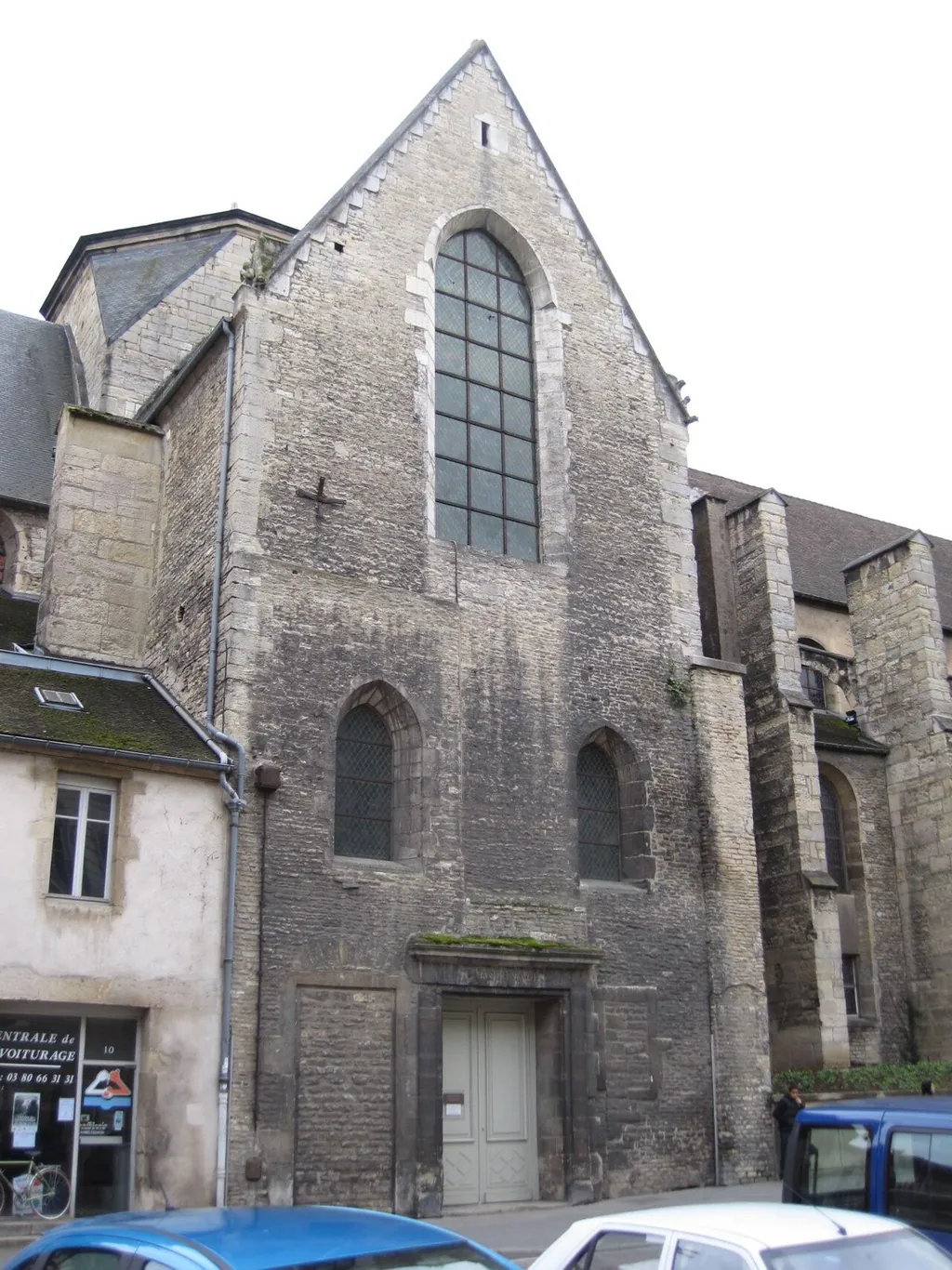
The Musée Rude was founded by the City of Dijon in 1947 as an annexe of the Musée des Beaux-Arts. It occupies the transept and choir of the former church of Saint-Étienne, a building whose history goes back to antiquity and which was an important urban abbey in the Middle Ages.
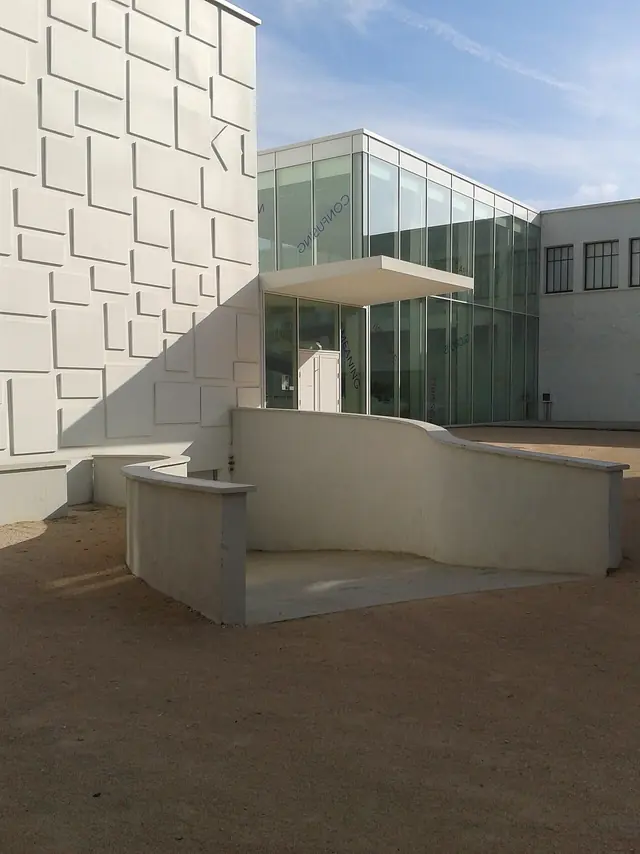
The church was deconsecrated in 1792 and converted into a grain hall, then bought by the City in 1809 and listed as a historic monument in 1862. It then served as a post office, a commodities exchange and a theatre-scenery store before housing the museum. Since 2009, the nave has housed the municipal library.
The museum displays plaster casts of major works by François Rude (1784–1855), a Romantic sculptor born in Dijon. Most were made for the City between 1887 and 1910; in 1947 the State sent the cast of “Le Départ des volontaires de 1792”, known as La Marseillaise. The choir also preserves remains of the 11th-century crypt and of the former Saint-Étienne gate of the castrum.
Højdepunkter
- Plaster cast of “Le Départ des volontaires de 1792”, known as La Marseillaise
- Casts of François Rude's works, including Mercury and Joan of Arc listening to her voices
- Remains of the 11th-century crypt and of the Saint-Étienne gate of the castrum
- Former church of Saint-Étienne, historic monument
- Free admission
Permanent udstilling
- Moulages de François Rude – Plaster casts of major sculptures by François Rude, including La Marseillaise, as well as archaeological remains of the church and the castrum.
- Grundlagt
- 1947
- Ejer
- Ville de Dijon
- Besøgende pr. år
- ca. 133.498 (2025)
Entrépriser & rabatter
Der er gratis entré.
| Voksne | gratis |
|---|---|
| Workshop or themed guided tour | 7 €Reduced rate €4; some workshops have a rate adjusted to household income. |
| Guided tour on request (one hour) | 110 €Rate per group visit; €60 per additional half hour. |
Access to the permanent collections of Dijon's museums has been free since 2004. Only the temporary exhibitions of the Musée des Beaux-Arts, workshops and guided tours are paid.
Tilgængelighed
- Kørestolsvenlig
- Elevator: ingen oplysninger
- Handicaptoilet: findes ikke
- Handicapparkering: ingen oplysninger
- Servicehunde tilladt
- Taktile tilbud: ingen oplysninger
- Rundvisninger på tegnsprog: ingen oplysninger
- Letlæste tilbud: ingen oplysninger
- Synstolkning: ingen oplysninger
The museum is fully accessible to visitors with reduced mobility. There are no toilets in the museum. Assistance animals for people with disabilities are admitted on presentation of proof.
Børn og familie
Museet har ikke offentliggjort oplysninger om dette.
Transport & parkering
Med offentlig transport
Divia transport network; the museums are located in the city centre. The website refers to divia.fr for routes, nearby car parks and charging points.
Service & spisesteder
- Café: findes ikke
- Restaurant: findes ikke
- Garderobe: findes ikke
- Opbevaringsskabe: findes ikke
No cloakroom or lockers in this museum. Food and drink may not be brought in. The Musée des Beaux-Arts has a brasserie, but the Musée Rude does not.
Arrangementer & udlejning
Museet har ikke offentliggjort oplysninger om dette.
Planlæg dit besøg
| Rundvisninger | ja |
|---|---|
| Audioguide | nej |
| Tilbud til skoler | ja |
| Fotografering | Photos and videos allowed without flash, for private use only; any public or professional dissemination requires prior authorisation. |
| Godt at vide | The museum is attached to the Musée des Beaux-Arts in Dijon. Themed visits according to the Dijon Musées programme; guided tours for groups on request. |