Allihies Copper Mine Museum
Community museum in a former Methodist chapel telling the story of the 19th-century copper mines of Allihies on the Beara Peninsula.
Få kun enkelte afsnit læst op
Om museet
Copper was found at Allihies on the Beara Peninsula in 1812, and the mines that grew up around it became the largest copper mining enterprise in Ireland. Under the Puxley family, the workforce grew to well over a thousand people, and Cornish miners and engineers came to the area to work alongside local people. Mining continued with interruptions until the 1880s, and later attempts to reopen the workings in the 1920s and in exploratory work around 1960 did not make the mines viable again.
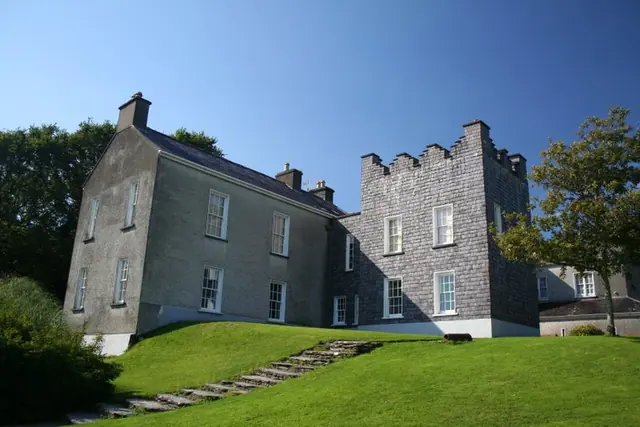
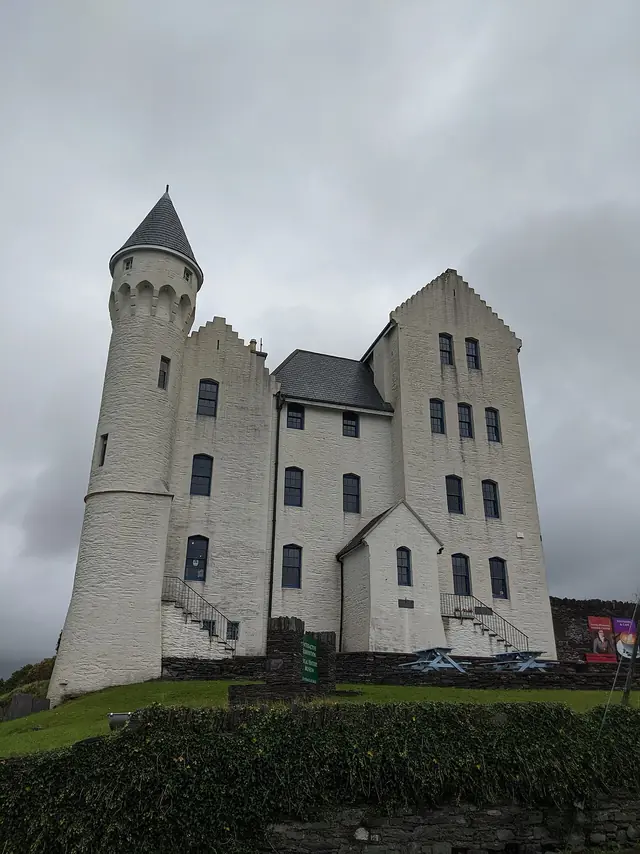
In the mid-1990s a group of local residents began discussing how to preserve and present this heritage. The Allihies Copper Mine Museum opened in May 2007 with the support of the community. It is housed in the Methodist chapel that was built in 1845 for the Cornish miners, and it is run as a registered charity. A café and art gallery, a small shop counter and a sensory garden have been added since, and the museum takes part in the Heritage Council’s Museum Standards Programme for Ireland.
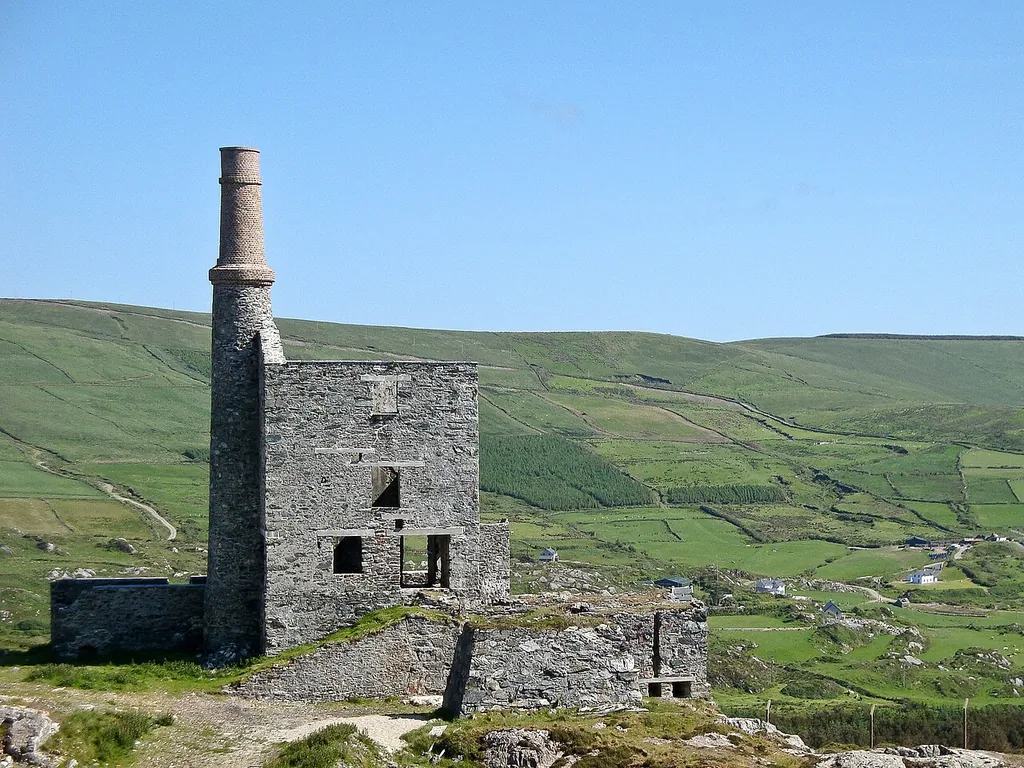
The displays use artefacts, photographs, drawings, documents, maps and large models to explain the mines and the lives of the miners and their families. The surviving engine houses and other mine buildings in the surrounding hills are treated as outdoor exhibits, and a way-marked mining trail, with a map available at the museum counter, leads visitors to six of the seven mine sites.
Højdepunkter
- Former Cornish Methodist chapel of 1845 as the museum building
- Models, maps, photographs and documents on the Allihies copper mines
- Multilingual audio guides, including Irish Sign Language
- Way-marked Allihies Copper Mine Trail to the engine houses
- Copper Café with art gallery and sensory garden
Permanent udstilling
- The Allihies copper mines – Displays of artefacts, photographs, documents, maps and large-scale models on the copper mining era from 1812, the engine houses and the lives of the mining families.
- Grundlagt
- 2007
- Ejer
- Allihies Copper Mine Museum (registered charity)
Entrépriser & rabatter
| Voksne | 7 € |
|---|---|
| Nedsat pris | 4 €Students |
| Børn og unge | 3 € |
| Studerende og elever | 4 € |
| Grupper | 8,50 € pr. personGuided groups, price per person. |
| Familier | 15 €2 adults and 2 children. |
Tilgængelighed
- Kørestolsvenlig
- Elevator: ingen oplysninger
- Handicaptoilet
- Handicapparkering: ingen oplysninger
- Servicehunde tilladt: ingen oplysninger
- Taktile tilbud: ingen oplysninger
- Rundvisninger på tegnsprog: ingen oplysninger
- Letlæste tilbud: ingen oplysninger
- Synstolkning: ingen oplysninger
The museum is wheelchair accessible and has an accessible toilet on site. A sensory garden lies at the back of the building. The multilingual audio guides include an Irish Sign Language (ISL) version. Visitors with specific needs can phone or email in advance.
Børn og familie
| Familiebillet | 15 € · 2 adults and 2 children. |
|---|
- Familieomvisninger & workshops
Child and family tickets are available. The museum runs workshops with the Allihies Coastal Education Hub in the season, and an Allihies family festival takes place every August around the 15th.
Transport & parkering
The museum is at the foot of the village of Allihies on the Beara Peninsula in West Cork. The website gives no public transport or parking details.
Planlæg ruteService & spisesteder
- Café
- Museumsbutik
The Copper Café has indoor and outdoor seating and a lunch menu, with the gallery space and sensory garden beside it. A small shop counter sells books and local items.
Arrangementer & udlejning
- Lokaler til leje
- Private fester
The Copper Café can be hired for private functions, with or without catering.
Planlæg dit besøg
| Rundvisninger | ja |
|---|---|
| Audioguide | ja |
| Godt at vide | Multilingual audio guides are available; the languages are not listed. Guided group visits can be arranged. The museum describes itself as the most inaccessible museum in the country because of its remote setting at the end of the Beara Peninsula. |