Árbæjarsafn
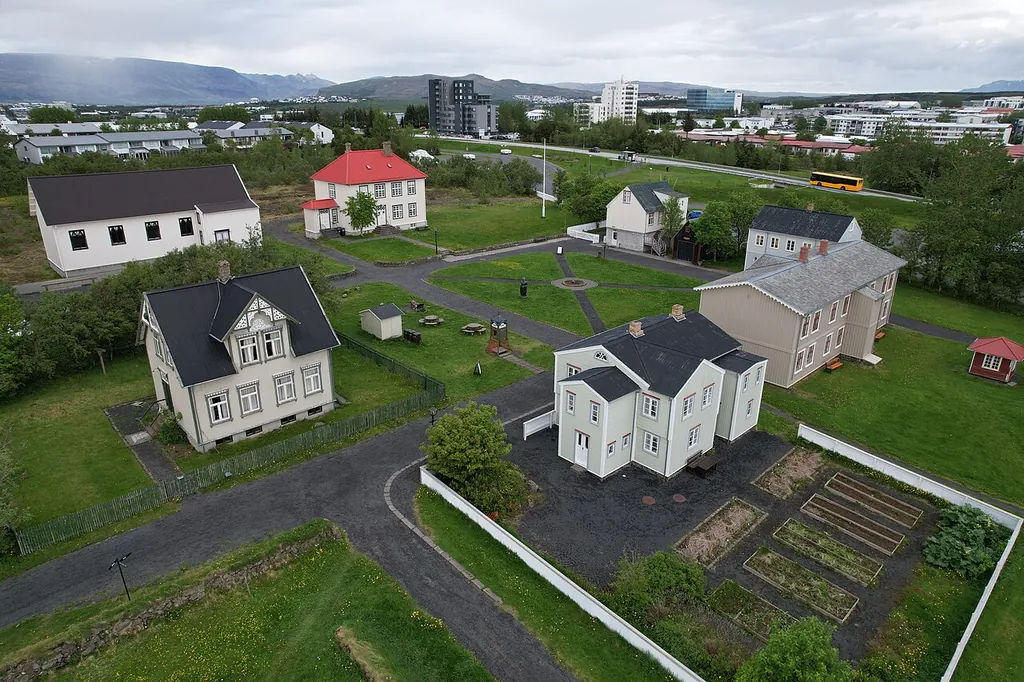
Open-air museum in Árbær, Reykjavík, with more than twenty houses showing the architecture and way of life in the city in the 19th and 20th centuries.
Få kun enkelte afsnit læst op
Om museet
In the mid-20th century many Reykjavík residents feared that “old Reykjavík” was disappearing. In 1954 the Reykjavík Archives and Heritage Museum (Skjala- og minjasafn Reykjavíkur) was formally founded, and in 1957 the city council decided to rebuild the farm Árbær, long a resting place for travellers, and to set up a museum of old houses of cultural-historical value. The museum opened that autumn. The first house moved to the museum site was Smiðshús in 1960, and Dillonshús a year later.
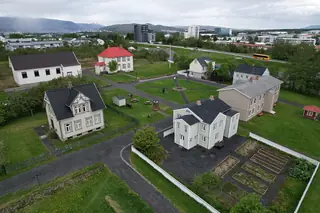
In 1968 the Minjasafn Reykjavíkur and Árbæjarsafn merged under the name Árbæjarsafn. Since then the city has grown and now surrounds the museum site, although the museum is still close to the Elliðaár valley. Today more than twenty houses stand on the site, forming a square, a village and a farm; most were moved here from the city centre of Reykjavík. Each house holds an independent historical exhibition or a typical home from a particular period, and there are also old-fashioned workshops.
In 2014 Árbæjarsafn, Landnámssýningin in Aðalstræti, Sjóminjasafnið í Reykjavík, Ljósmyndasafn Reykjavíkur and Viðey merged under the name Borgarsögusafn Reykjavíkur. In summer the staff wear clothing from earlier times and take part in the exhibitions, and farm animals roam the site.
Højdepunkter
- Over twenty houses forming a square, a village and a farm
- The farm Árbær, the museum’s original farmhouse
- Home at Suðurgata 7 from around 1925 and Hábær from 1950
- The exhibition Komdu að leika! in Landakot for children
- Museum church and old-fashioned workshops
- Christmas programme with cutting of laufabrauð and Yule Lads
Permanente udstillinger
- Vaxtaverkir – Hands-on exhibition that takes visitors into the world of Reykjavík primary school children from 1898 to 1974.
- Suðurgata 7 – Reykvískt heimili um 1925 – The house was built in 1833 in central Reykjavík and enlarged in stages; it has had its present form since 1883. The exhibition shows a city home around 1925.
- Hábær 1950 – The exhibition sheds light on the living conditions of a poor family in Reykjavík around 1950.
- Grundlagt
- 1957
- Ejer
- Borgarsögusafn Reykjavíkur
Entrépriser & rabatter
| Voksne | 2.550 ISK |
|---|---|
| Nedsat pris | 1.550 ISKStudents with a student card (ISIC) |
| Børn og unge | gratisgratis til og med 17 år · Children up to the age of 18 enter free. |
| Personer med handicap | gratisledsager gratis · Free admission for people with disabilities and their assistants. |
| Studerende og elever | 1.550 ISKOn presentation of a student card (ISIC). |
| Menningarkort Reykjavíkur | 8.700 ISKThe Menningarkort for people aged 67 and over costs ISK 2,550. |
Holders of the Reykjavík City Card and members of ICOM and FÍSOS receive free admission. Holders of the Menningarkort receive 10% off in the museum shops.
Tilgængelighed
- Delvis kørestolsvenlig
- Elevator
- Handicaptoilet
- Handicapparkering
- Servicehunde tilladt
- Taktile tilbud: ingen oplysninger
- Rundvisninger på tegnsprog: ingen oplysninger
- Letlæste tilbud: ingen oplysninger
- Synstolkning: ingen oplysninger
The museum is an open-air site covering a large area with more than twenty houses. Paths are mostly level gravel, paved in places; in wet weather puddles can form and freeze. Crampons can be borrowed at the reception. Most houses are entered via one step or over a threshold, and some have small rooms and narrow stairs. Two beach wheelchairs with wide tyres are available to borrow. Access to Landakot is good: there is a ramp, a lift (staff open it) and a wheelchair-accessible toilet on level 1. Five accessible parking spaces are about 50 metres from the entrance, and the path from them is heated by a snow-melting system. The ticket office doors open automatically, but you must step over a threshold. Guide dogs are welcome.
Børn og familie
Velegnet til børn og familier
| Besøgets varighed | ca. 60 min. |
|---|---|
| Entré for børn | gratis til og med 17 år |
- Familieomvisninger & workshops
- Interaktive stationer
- Puslerum
The exhibition Komdu að leika! in Landakot is about children’s games and toys in the 20th century, is interactive and suitable for all age groups. The exhibition Vaxtaverkir (Growing Pains) shows the world of Reykjavík primary school children from 1898 to 1974. The Christmas programme includes Yule Lads, singing and dancing. Children up to 18 enter free. In summer there are sheep and horses on the site as well as hens. A baby changing table is available in Landakot. Visitors are welcome to bring their own prams; the museum does not rent them out.
Transport & parkering
Med offentlig transport
Höfðabakki
Bus routes 12 and 24 stop at Höfðabakki right by the museum, route 16 at Streng (5-minute walk) and route 5 at Rofabær (6-minute walk).
I bil
Gratis parkering
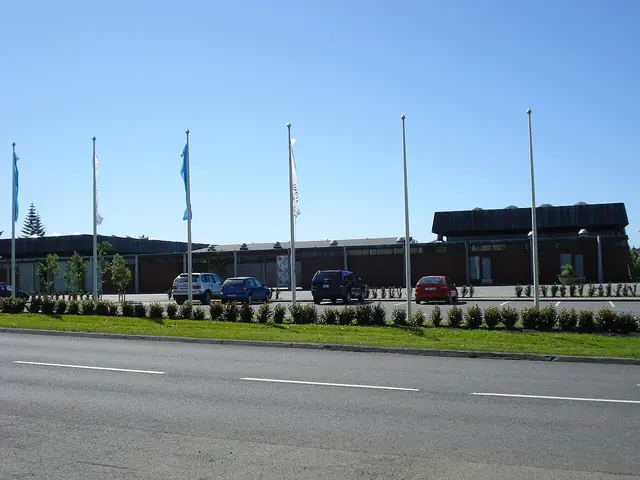
Parking is opposite the museum entrance. Five accessible parking spaces are about 50 metres from the entrance.
- Handicapparkering
Cars can stop at the ticket office to let passengers get in and out.
Planlæg ruteService & spisesteder
- Café
- Museumsbutik
A café is usually located in Dillonshús in summer and during the Christmas programme. The museum shop is at the ticket office, and the old-fashioned sweet shop Krambúðin is open in summer and during the Christmas programme. Picnic facilities with tables and benches are available in two places on the open-air site.
Arrangementer & udlejning
- Lokaler til leje
The museum church, halls and houses on the site can be rented for ceremonies, meetings and events.
Forespørgsel & detaljerPlanlæg dit besøg
| Rundvisninger | ja · varighed ca. 60 min. |
|---|---|
| Tilbud til skoler | ja |
| Godt at vide | A visit takes about 1–2 hours. The English-language guided tour runs daily at 13:00 all year round and does not need to be booked; it lasts just over an hour. Dogs are not allowed on the museum site, but guide dogs are welcome. Hens roam freely all year round, and in summer other farm animals are kept within fences. |