Museo Oriental de Valladolid
Museum of Chinese, Philippine and Japanese art in the Real Colegio de los Padres Agustinos in Valladolid, the fruit of more than four centuries of missions.
Få kun enkelte afsnit læst op
Om museet
The Museo Oriental grew out of the long presence of the Order of Saint Augustine in the Far East. Since 1565, more than 3,000 Augustinian missionaries have worked in the East and in Latin America, and about 2,000 of them set out from the Valladolid convent, known as “Los Filipinos”. The friars carried objects for their work and, on their return, brought back artistic and ethnological pieces from the cultures where they had lived. In 1874 some rooms in the east wing of the convent were set aside to display the collection.
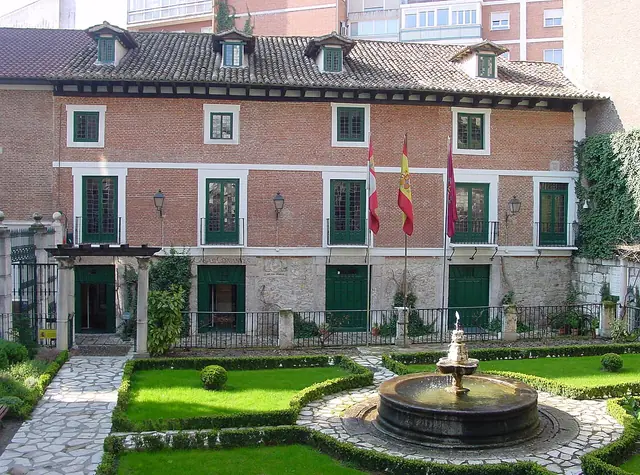
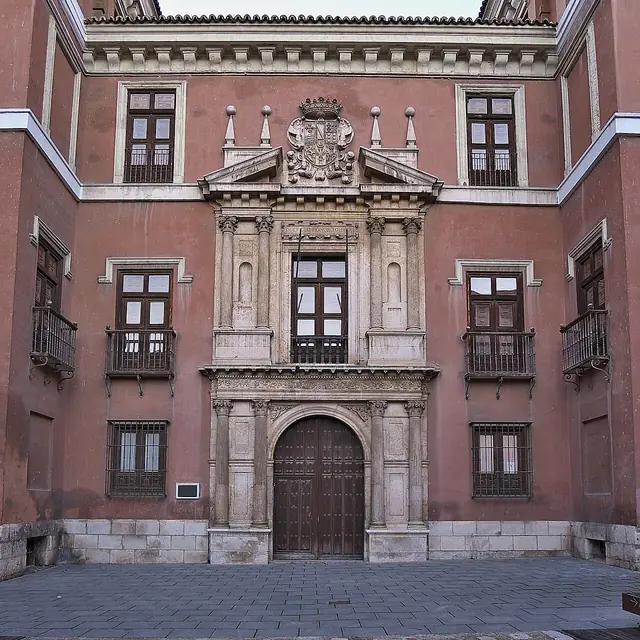
The building is the Real Colegio de los Padres Agustinos, a neoclassical building begun in 1759 to plans by Ventura Rodríguez. After the opening of the Suez Canal in 1869 the return journey was shorter, more missionaries came back, and the collections grew in the late 19th century. Further works arrived after the 1925 Vatican Missionary Exhibition. The current facilities were inaugurated by King Juan Carlos I and Queen Sofía on 12 October 1980.
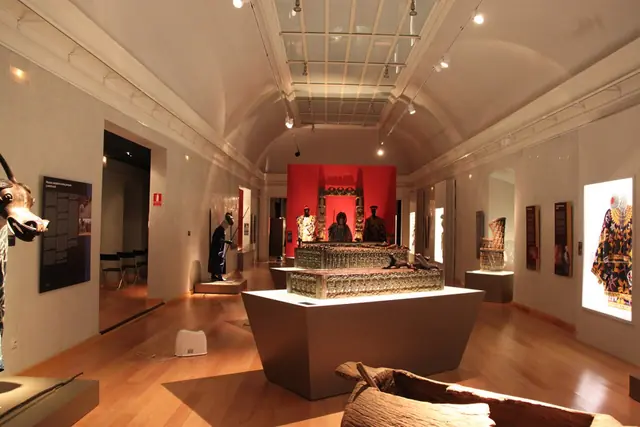
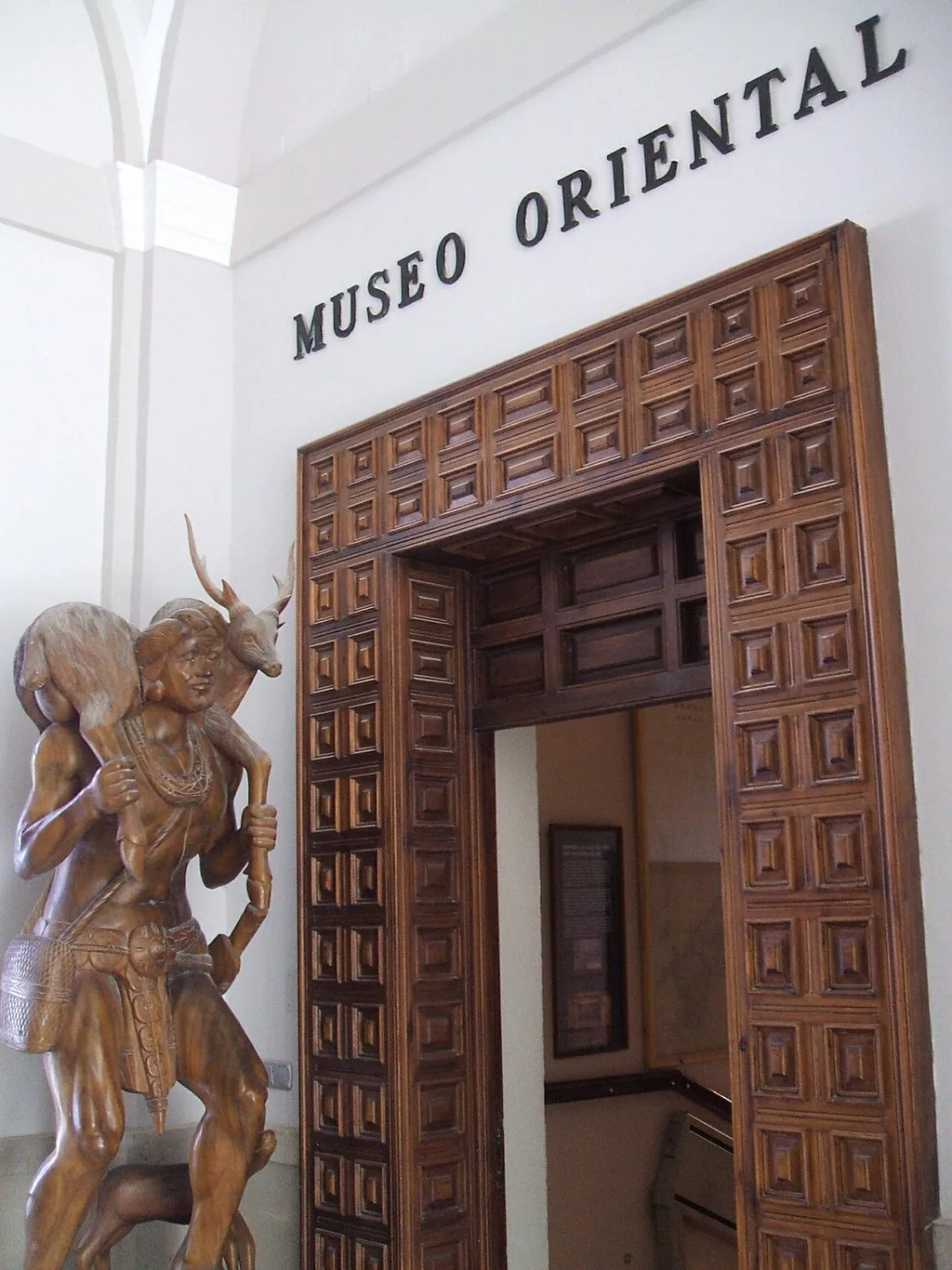
The museum occupies eighteen rooms of Chinese, Philippine and Japanese art and presents itself as the finest collection of Far Eastern art in Spain. The Chinese section covers bronzes, ceramics and porcelain, enamels, lacquerware, ivories, silks, calligraphy and painting; the Philippine section, colonial art, the cultures of Mindanao and Jolo, and Hispano-Philippine ivories; the Japanese section, sculpture, metalwork, calligraphy, painting and ukiyo-e prints.
Højdepunkter
- Eighteen rooms of Chinese, Philippine and Japanese art
- Bronzes, ceramics, porcelain and embroidered silks from China
- Hispano-Philippine ivories and colonial art from the Philippines
- Ukiyo-e prints and sculpture from Japan
- Neoclassical building by Ventura Rodríguez
Permanente udstillinger
- Arte chino – Bronzes, coins, enamels, silver, ceramics and porcelain, lacquerware, ivories, sculpture, silks, furniture, calligraphy and traditional painting, export and religious works.
- Arte filipino – Colonial art, the cultures of Mindanao and Jolo, the cultures of Luzon and Hispano-Philippine ivories.
- Arte japonés – Sculpture, metalwork, calligraphy and painting, and ukiyo-e prints.
- Grundlagt
- 1874
- Ejer
- Padres Agustinos
Entrépriser & rabatter
| Voksne | 5 € |
|---|---|
| Nedsat pris | 3 € |
| Grupper | 3 € pr. personGroups receive a reduction on admission; group visits require prior booking. |
Prices published by the Castilla y León tourism portal; the museum's website does not list prices.
Tilgængelighed
- Kørestolsvenlig
- Elevator: ingen oplysninger
- Handicaptoilet: ingen oplysninger
- Handicapparkering: ingen oplysninger
- Servicehunde tilladt: ingen oplysninger
- Taktile tilbud: ingen oplysninger
- Rundvisninger på tegnsprog: ingen oplysninger
- Letlæste tilbud: ingen oplysninger
- Synstolkning: ingen oplysninger
According to the museum's website, wheelchair access is provided.
Børn og familie
Museet har ikke offentliggjort oplysninger om dette.
Transport & parkering
Med offentlig transport
Estación de Valladolid Campo Grande (Renfe) · 5 min. til fods
The museum faces the Campo Grande. From the Renfe station it is a five-minute walk along Calle de la Estación and Plaza de Colón, turning left onto Paseo de Filipinos; from the bus station it is also five minutes on foot, via Paseo del Arco de Ladrillo.
Planlæg ruteService & spisesteder
- Museumsbutik
Books, postcards and other materials are sold at the entrance.
Arrangementer & udlejning
Museet har ikke offentliggjort oplysninger om dette.
Planlæg dit besøg
| Rundvisninger | ja |
|---|---|
| Godt at vide | A guide service can be arranged. The museum has a virtual visit and an educational section on its website. |