Weberstube Jonsdorf
Historic demonstration workshop for linen weaving in a Umgebindehaus in the health resort of Jonsdorf.
Få kun enkelte afsnit læst op
Om museet
Jonsdorf developed into a weaving village in the 17th and 18th centuries. In 1638 a decree of the Zittau city council allowed villagers to set up looms and produce linen in return for an annual fee. Hand weaving flourished in the second half of the 18th century, when about half of the working population wove and particularly fine linen was produced.
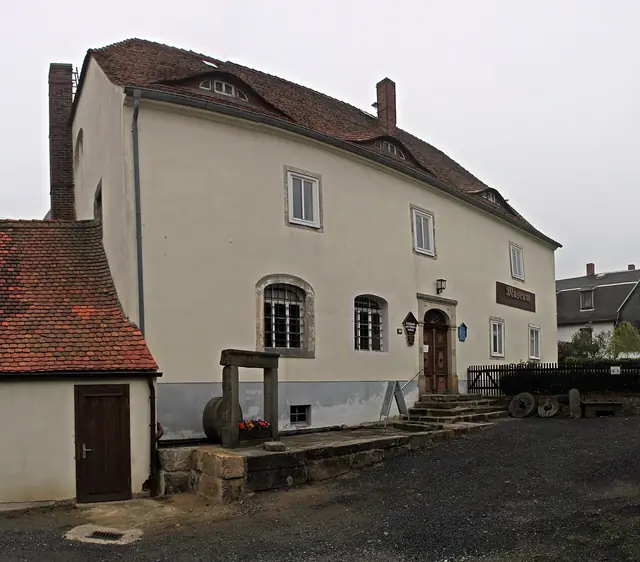
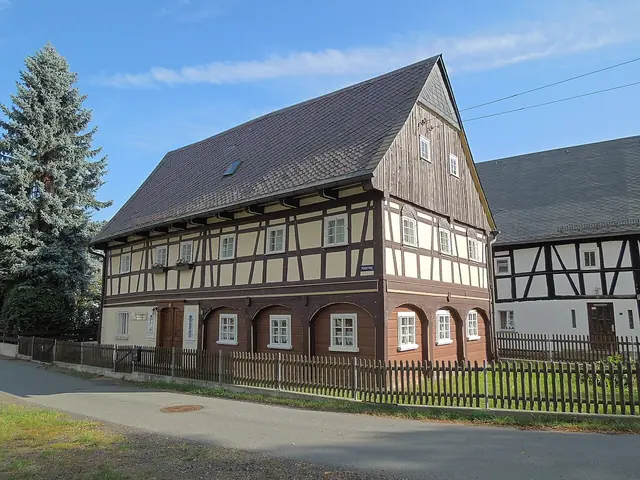
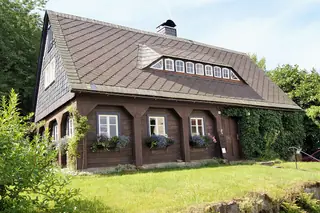
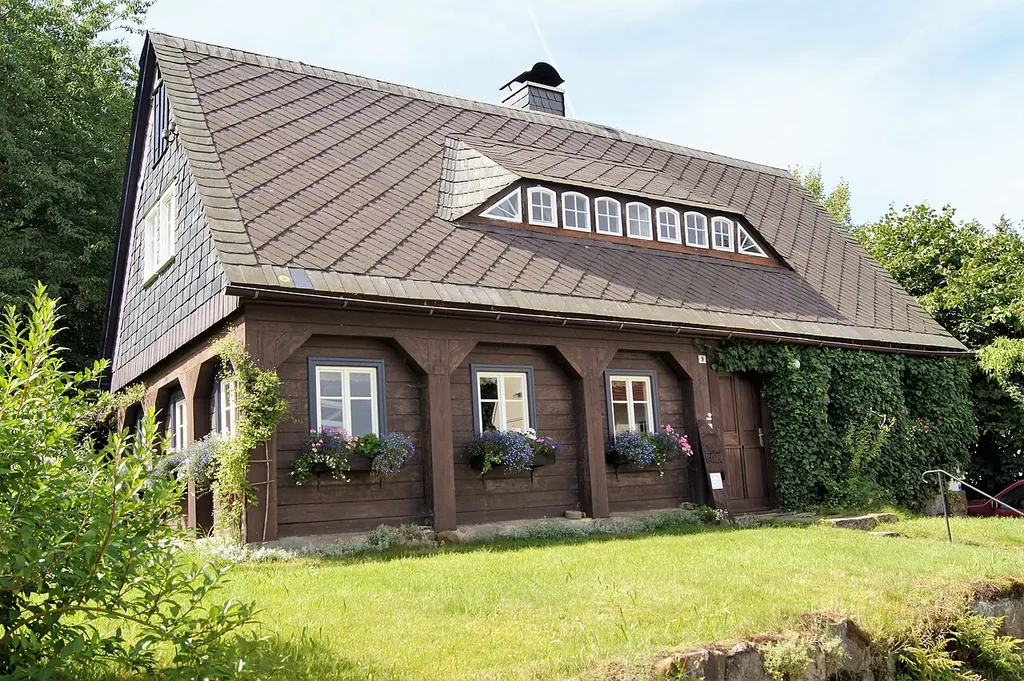
The Weberstube was set up in 1989 by textile engineer Heinz Lange to keep the village's weaving tradition alive. After his death his daughter continued to run the small museum. Since summer 2005 it has been located in the Blockstube (log room) of the Umgebindehaus at Lindenweg 9, only a few hundred meters from its former site.
The demonstration workshop explains the path from linseed through flax to linen. The Blockstube, the heart of the Umgebindehaus, is also used to explain the construction of these Upper Lusatian houses, rural life and regional customs. A shop offers handicrafts and matching publications.
Højdepunkter
- Demonstration workshop on linen weaving
- Umgebindehaus with Blockstube
- Explanations of Upper Lusatian customs
- Shop with handicrafts
Permanent udstilling
- Schauwerkstatt Leineweberei – The workshop shows all working steps from flax to linen and explains the life of the weavers in the Umgebindehaus.
- Grundlagt
- 1989
- Ejer
- Familie Lange / Gundula Gube
Entrépriser & rabatter
Museet har ikke offentliggjort oplysninger om dette.
Tilgængelighed
Museet har ikke offentliggjort oplysninger om dette.
Børn og familie
Museet har ikke offentliggjort oplysninger om dette.
Transport & parkering
Address: Lindenweg 9, 02796 Kurort Jonsdorf.
Planlæg ruteService & spisesteder
- Museumsbutik
Shop with handicrafts and publications on the subject.
Arrangementer & udlejning
Museet har ikke offentliggjort oplysninger om dette.
Planlæg dit besøg
| Rundvisninger | ja |
|---|---|
| Godt at vide | The visit includes explanations of linen weaving, Umgebinde construction, rural life and customs. |