MusAfrica Namur
Namur museum devoted to the links between Belgium and Central Africa: objects, paintings, sculptures, archives and a specialist library.
Have only individual sections read aloud
About the museum
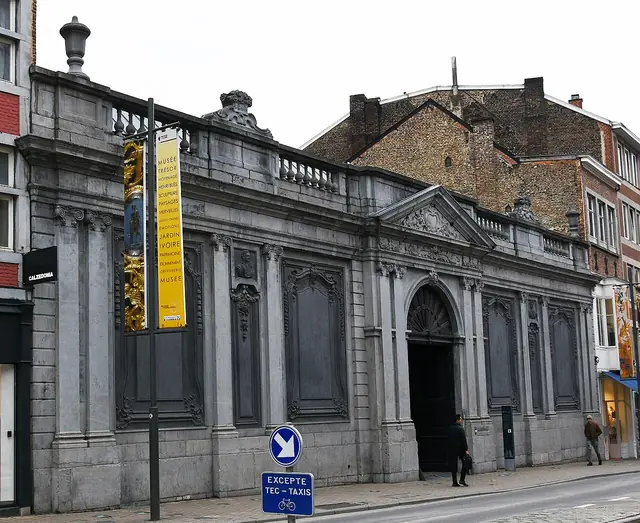
MusAfrica Namur, formerly the Musée africain de Namur, is run by the ASBL (non-profit association) Musée africain de Namur, founded by the Cercle royal namurois des Anciens d’Afrique (an association created in 1910). It is housed in the former guardhouse of the Léopold barracks, built in 1885, on the rue du Premier Lanciers.
After several years of closure, the museum has reopened in a fully renovated building, with contemporary museography that places the collections within a narrative about the historical and cultural links between Belgium and Central Africa. It aims to be a place of memory, dialogue and research, open to social debate, colonial history and contemporary creation, and it is run by a team of volunteers, researchers and professionals. It is part of a neighbourhood undergoing cultural conversion, with the La Célestine library, a new music conservatoire and the Grand Manège concert hall.
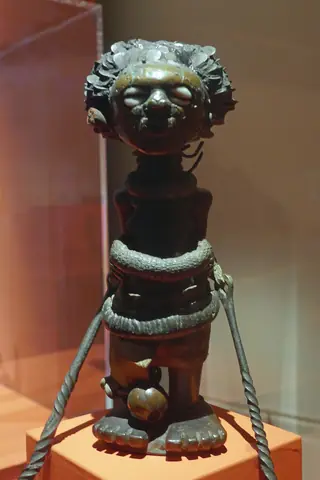
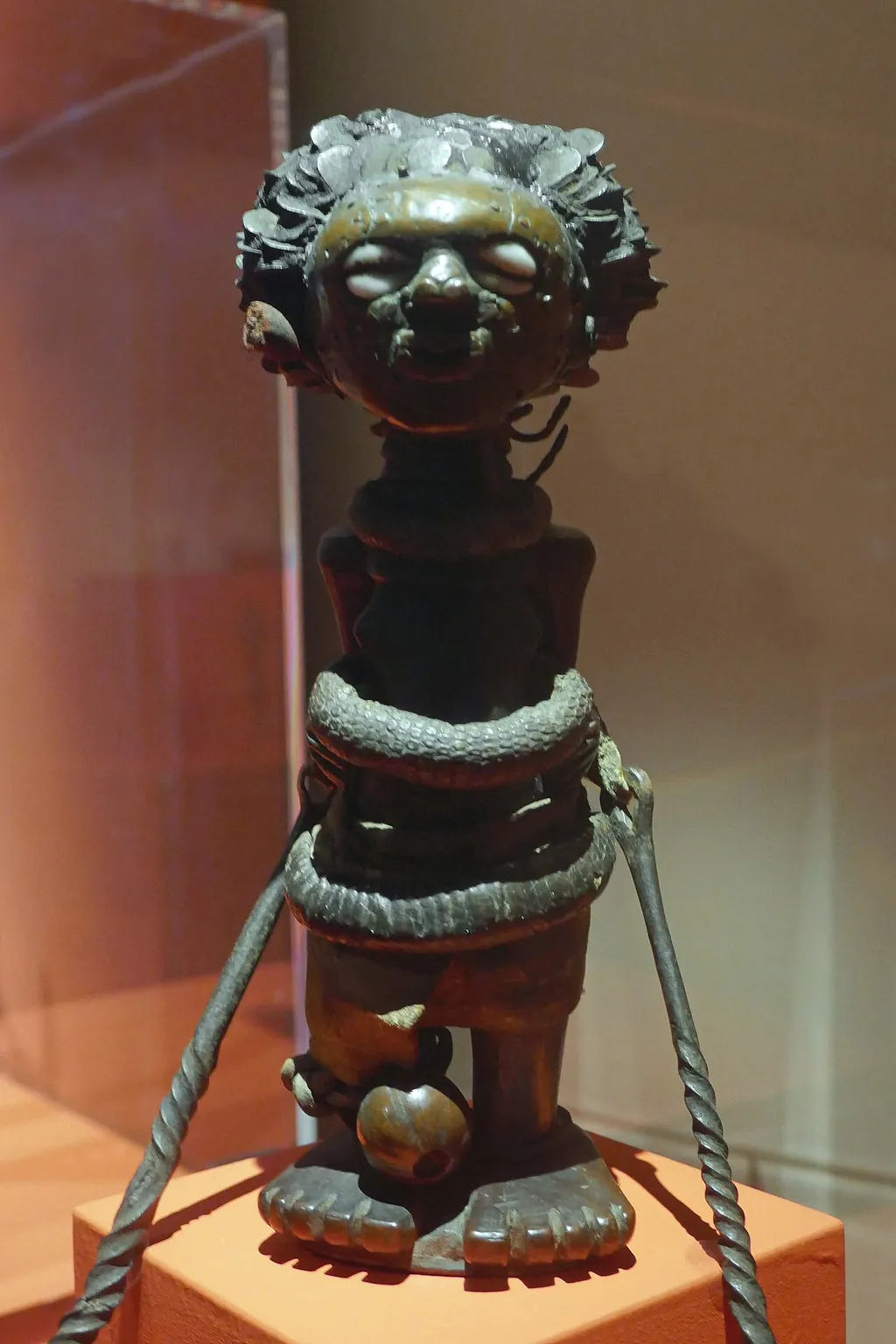
The collections comprise several thousand objects, paintings and sculptures, as well as photographs, postcards, prints and period documents (correspondence, reports, newspapers). The library holds nearly 26,000 books, published from the late 18th century to the present, which show how Africa has been perceived and told through the colonial gaze.
Highlights
- Several thousand objects from Central Africa, paintings and sculptures
- A critical look at the links between Belgium and Central Africa
- Specialist library of nearly 26,000 books on Africa
- Photographs, postcards, prints and period archives
- Fully renovated museum, accessible by lift to all levels
Permanent exhibition
- Collections permanentes – Objects, paintings, sculptures, photographs and archives that tell the story of the relations between Belgium and Africa, and more specifically Central Africa, in contemporary museography.
- Operated by
- ASBL Musée africain de Namur
Admission & discounts
| Adults | €8 |
|---|---|
| Reduced | €6Young people aged 12 to 25, people aged 65 and over, groups of more than 10 people |
| Children & teens | €6free up to age 11 · Free for children under 12; €6 for ages 12 to 25. |
| Seniors | €6From 65 years of age. |
| Students & apprentices | €6Young people aged 12 to 25. |
| Groups | €6 per personGroups of more than 10 people; guided visits by reservation at least 7 days in advance, with a maximum of 24 people per visit. |
Free entry for children under 12, holders of an Article 27 ticket, members of MusAfrica and ICOM, and holders of the museumPASSmusées. Free self-guided visit with teaching materials for primary and secondary school groups from the Fédération Wallonie-Bruxelles.
Accessibility
- Wheelchair accessible
- Elevator
- Accessible restroom: no information
- Accessible parking: no information
- Service dogs welcome: no information
- Tactile models & exhibits: no information
- Sign language tours: no information
- Easy-to-read materials: no information
- Audio description: no information
The museum states that it is fully accessible to people with reduced mobility: a lift serves all levels and the circulation areas are wide.
Kids & families
The museum hasn’t published any information on this.
Getting there & parking
By public transit
Rue du Premier Lanciers
Namur station is a 10-minute walk away. Several bus lines (1, 2, 4, 5, 9, 40 and 65) serve the “Rue du Premier Lanciers” stop, in front of the museum.
The museum is located in the former guardhouse of the Léopold barracks.
Get directionsAmenities & dining
- Café: not available
- Restaurant: not available
The museum has no catering area; many restaurants and bars are located in the immediate vicinity.
Events & venue rental
The museum hasn’t published any information on this.
Plan your visit
| Guided tours | yes |
|---|---|
| School programs | yes |
| Good to know | The first levels of text on the panels are trilingual (French, Dutch, English); the captions are in French only, and a QR code will eventually give all explanations in three languages. Guided group visits and school visits by reservation (info@musafrica.be, tel. +32 81 74 08 05); the school visit covers the Belgian colonial past, using digital tablets. The documentation centre is open to students and researchers. |