Københavns Museum
The city museum of København tells 14,000 years of city history, from the Ice Age to today, in the restored Overformynderi at City Hall Square.
About the museum
The museum was founded in 1901 as Rådhusmuseet: the growing metropolis wanted to preserve evidence of its rapidly vanishing past. City Hall administrator Ernst Nyrop-Larsen collected photos, art and building parts in the attic of City Hall; in 1917 the institution was named Københavns Bymuseum, and in 1925 a first permanent exhibition opened there.
In 1956 the museum moved into the palace of the Royal Copenhagen Shooting Society on Vesterbrogade, where a reconstructed old-town lane with old shop signs was among the public's favorites.
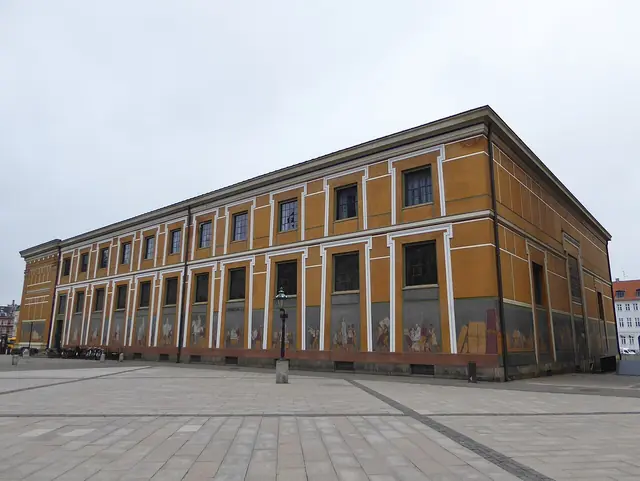
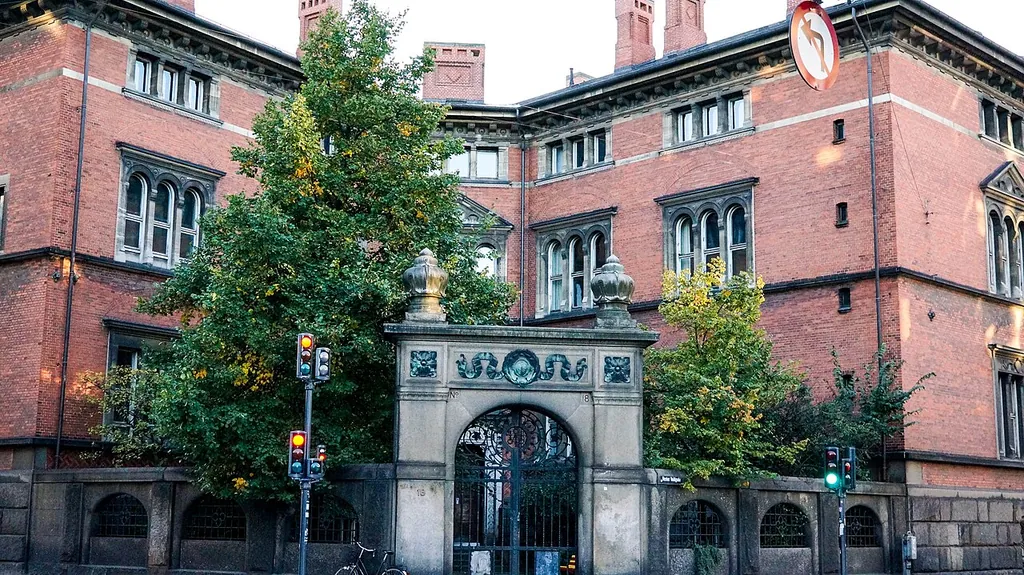
On February 5, 2020, the museum opened at its current location at Stormgade 18. The building was constructed in 1894 for the Overformynderi, the authority that managed the assets of minor children and women. Before the museum moved in, it was restored from basement to roof, so that the original colors, painted beam ceilings and vaults are visible again; a glass mosaic by Agnes Slott-Møller adorns the main staircase.
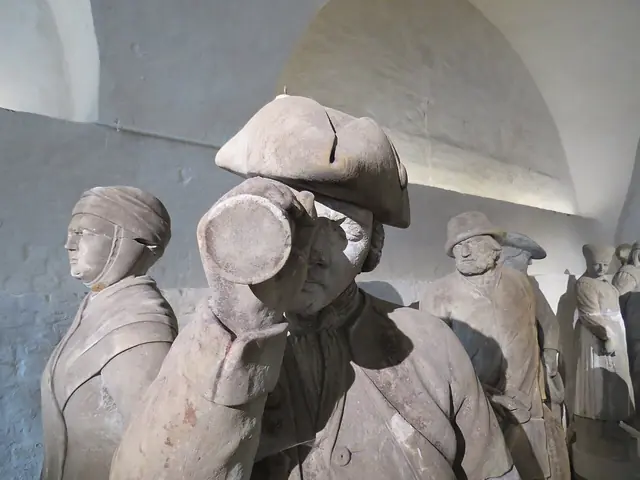
Today the museum belongs to the City of København's cultural administration and is also responsible for archaeology in København and Frederiksberg. The permanent exhibition leads through 14 stations with more than 400 objects, from the first traces of settlement to the present.
Highlights
- Large interactive city model (6 × 4 m) with all-around panorama
- Viking-style antler sword guard (11th century)
- Skeleton of a 15th-century warrior
- Wreck of a cargo ship from the 1420s
- Søren Kierkegaard's engagement ring
- Wooden bicycle built on the Dursley-Pedersen principle
Permanent exhibitions
- Den faste udstilling – A tour through 14,000 years of city history at 14 well-known places in the city, with more than 400 finds and objects, films, listening stations and a large interactive city model.
- Samtidskunst på Københavns Museum – Works by contemporary Danish artists created specially for the building and the permanent exhibition, spread from the basement to the attic.
- Founded
- 1901
- Operated by
- Københavns Kommune (Kunst og Historie)
- Director
- Marius Hansteen
Admission & discounts
| Adults | DKK 110 |
|---|---|
| Children & teens | freefree up to age 17 · Under 18 free |
| Seniors | –Free admission for retirees on Tuesdays |
| Visitors with disabilities | –companion free · Companions with a Ledsagerkort (companion card) free, also at events with their own ticket (inquiries to booking_hogk@kk.dk). |
| Groups | –School classes count as one group and are not bound by the group size limit of 10 people. |
| Annual pass 1+1 (also valid for Thorvaldsens Museum and Nikolaj Kunsthal) | DKK 320 |
Free admission: Free admission for everyone on Wednesdays
The ticket is valid for 48 hours for Københavns Museum, Thorvaldsens Museum and Nikolaj Kunsthal as well as for the Arkæologisk Værksted. Free admission with the Copenhagen Card. The shop, café and courtyard garden are accessible without a ticket.
Accessibility
- Wheelchair accessible
- Elevator
- Accessible restroom
- Accessible parking: no information
- Service dogs welcome
- Tactile models & exhibits: no information
- Sign language tours: no information
- Easy-to-read materials: no information
- Audio description: no information
Wheelchair users reach the basement by a lift; there is an elevator in the building (110 × 140 cm). Accessible restroom in the right wing of the basement near the coat check. City accessible parking spaces in the surrounding area. Registered with the accessibility label God Adgang; preparation materials from AutismGoTo on the website.
Kids & families
Great for kids & families
| Kids’ admission | free up to age 17 |
|---|
- Family tours & workshops
- Activity booklet, scavenger hunt or kids’ audio guide
- Hands-on stations
- Stroller-friendly: not available
- Baby changing facilities
- Kids’ birthday parties
Free children's guide (Danish and English), designed by schoolchildren for children, at the ticket desk; treasure hunts in the exhibition. Large craft table with coloring pages and materials, interactive city model. Workshops on weekends and during holidays, children's birthday parties at the Arkæologisk Værksted (DKK 3,000, up to 28 children). Personal strollers are not allowed in the exhibition and can be left at the coat check; a few loaner strollers available. Baby changing tables in two restrooms in the basement.
Getting there & parking
By public transit
Rådhuspladsen · 5-min walk
Metro M3 to Rådhuspladsen (about 5 minutes on foot); long-distance and S-train to København H (about 10 minutes on foot); buses to City Hall Square.
By car
Only a few paid parking spaces in the area; BLOX underground parking garage about 10 minutes on foot.
The museum is right next to City Hall at the corner of Stormgade and H.C. Andersens Boulevard.
Get directionsAmenities & dining
- Café
- Restaurant: not available
- Museum shop
- Coat check
- Wi-Fi
Café Spirrevippen with courtyard garden (Mon–Fri 8:00–17:00, weekends and public holidays 9:00–17:00; breakfast, lunch, cake). Museum shop with Copenhagen souvenirs, accessible without a ticket. Coat check in the basement, accessed by a ramp from the courtyard garden. Free Wi-Fi throughout the building. Food you bring yourself is allowed by arrangement in the education room.
Events & venue rental
- Spaces for rent
- Private parties
- Corporate events
Up to 150 guests.
Hall (up to 150 people), education room (up to 50), entrance hall and foyers on the second and third floors (up to 25 each) for receptions, lectures and product presentations; inquiries to booking_hogk@kk.dk.
Inquiries & detailsPlan your visit
| Guided tours | yes · approx. 60 min |
|---|---|
| School programs | yes |
| Photography | Photography allowed, but without tripod or additional lighting; commercial shooting only with permission. |
| Good to know | Private tour "Fra Istid til nutid" (about 1 hour, up to 25 people, in Danish) DKK 1,100 plus admission, book via booking_hogk@kk.dk; private city walks are also available. Regular city tours, workshops and lectures, evening program on Thursdays. School classes often come in the morning; afternoons are quieter. The museum has its own podcast series. |