Medicinsk Museion
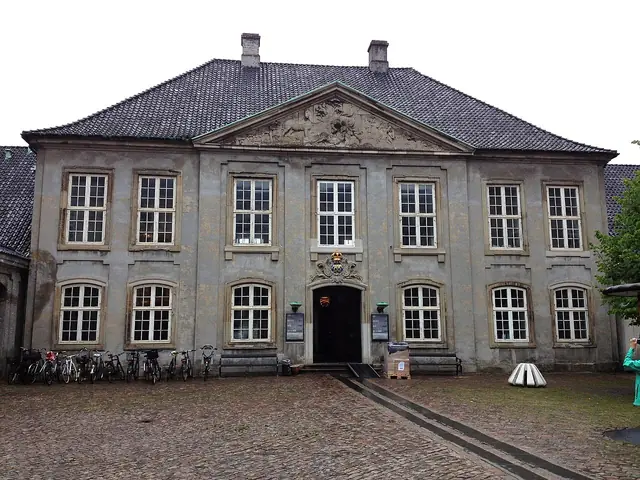
University museum of medical history in København's former Royal Surgical Academy of 1787 – with an anatomical collection and a historic lecture theater.
About the museum
Medicinsk Museion traces back to the Medicinsk-Historisk Museum, whose collection on the history of medicine and healthcare spans more than 200 years. In 2004 the museum received its present name, intended to emphasize its role as a university museum: the Greek "Museion" stands for a place where people collect, exhibit, research and teach. Today the museum belongs to the University of København.
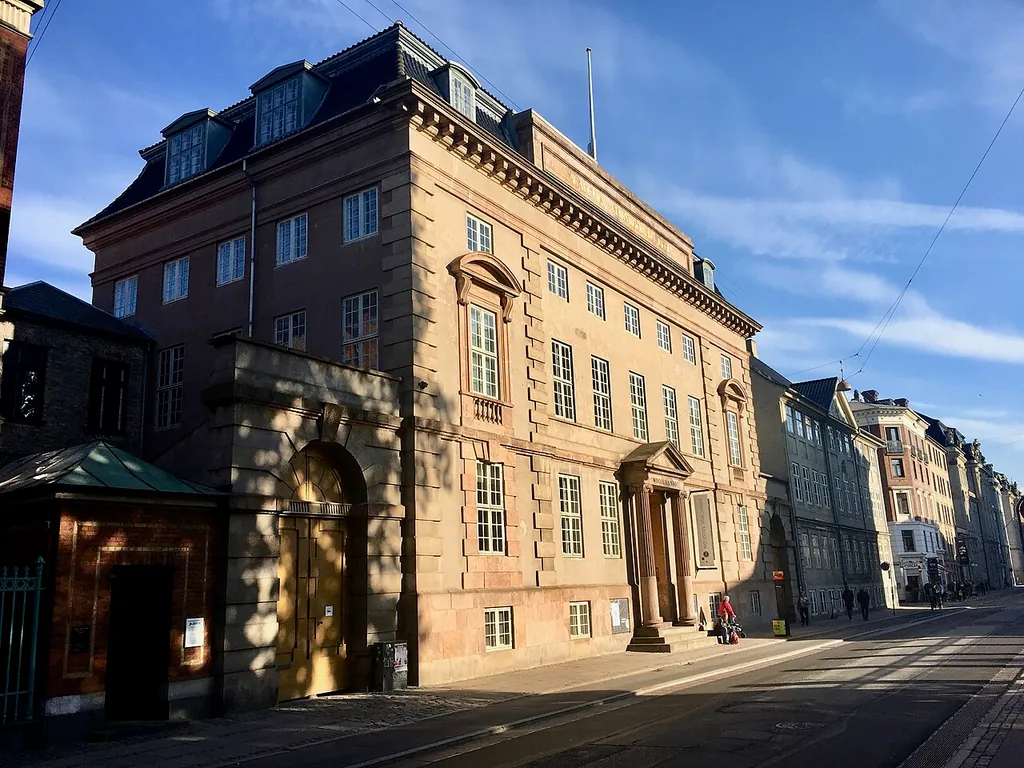
It is housed in the building of the Royal Surgical Academy on Bredgade, which opened in 1787 and trained surgeons. In the old lecture theater, generations of students learned the structure of the human body through lectures and dissections. In 1842 surgical training was merged into the university, and the Faculty of Medicine moved into the building. When student numbers grew sharply in the 20th century, the faculty relocated to Nørrebro; the medical history museum took over the premises and opened them to the public in 1969.
The exhibitions combine history, current research and art. On display are skeletons, specimens and fetuses from the historic body collections, themes such as the interplay of gut and brain, metabolism, psychiatry and epidemics, and a small tactile exhibition on aids used by blind people.
Highlights
- Historic lecture theater of the Surgical Academy of 1787
- Exhibition "Det indsamlede menneske" with specimens, skeletons and fetuses
- "Mind the Gut" on the gut, brain and bacteria
- Psychiatry room with straitjackets and an electroshock device
- Tactile exhibition "I blinde" with a VR experience
- Summer café in the historic courtyard
Permanent exhibitions
- Det indsamlede menneske – Fetuses, skeletons, cells and DNA from the museum's historic body collections, from the late 18th century to today.
- Mind the Gut – How physicians, researchers, patients and artists have tried to understand and treat the relationship between head and belly.
- Balance og stofskifte – Shows how ideas about what makes a body sick or healthy have changed over time.
- Founded
- 1907
- Operated by
- Københavns Universitet
- Director
- Ken Arnold
Admission & discounts
| Adults | DKK 110 |
|---|---|
| Reduced | DKK 70Students |
| Children & teens | DKK 50free up to age 6 · Children aged 7 to 17 DKK 50, under 7 free. |
| Visitors with disabilities | –companion free · Companions with a Danish companion card (ledsagerkort) free. |
| Students & apprentices | DKK 70Students and employees of the University of København free. |
| Groups | –Guided group tour for up to 25 people DKK 1,800 flat rate including admission; outside opening hours DKK 3,200. |
| Guided group tour (up to 25 people, admission included) | DKK 1,800Flat rate per group during opening hours |
| Guided group tour outside opening hours (60 minutes) | DKK 3,200Starts at 16:30 or 18:00 |
Free admission with the Copenhagen Card, Kulturpas, and ICOM and ODM membership cards. Tickets at the museum ticket desk or online.
Accessibility
- Wheelchair accessible: not available
- Elevator: not available
- Accessible restroom: no information
- Accessible parking: no information
- Service dogs welcome
- Tactile models & exhibits
- Sign language tours: no information
- Easy-to-read materials: no information
- Audio description: no information
Listed building from 1787 without an elevator or lift; the exhibitions are spread over three floors with stairs, some without handrails. For safety reasons, wheelchairs and walkers may not be taken in; guests with mobility impairments are advised to bring a companion. Participants in the Sunflower program for hidden disabilities (lanyards at the ticket desk) and a visitor guide for people with autism (AutismGoTo) are supported. In the exhibition "I blinde," objects may be touched. The courtyard and summer café are wheelchair-accessible.
Kids & families
Great for kids & families
| Kids’ admission | free up to age 6 |
|---|
- Family tours & workshops
- Activity booklet, scavenger hunt or kids’ audio guide
- Stroller-friendly: not available
A free daily treasure hunt for families with children aged 7 and up (materials at the ticket desk), plus a family game and changing activities during the summer, winter and fall school holidays. Some objects may be disturbing to children; parents should decide for themselves which areas are suitable. Strollers are not allowed in the exhibitions but can be left in the foyer.
Getting there & parking
Entrance at Bredgade 62 in the Frederiksstaden district; the postal address (Fredericiagade 18) is not the visitor entrance.
Get directionsAmenities & dining
- Café
- Restaurant: not available
- Museum shop
- Lockers
Summer café in the courtyard (run by Hav a Java), open in summer only and accessible to everyone via the gate at Bredgade 62; currently closed, reopening in summer 2027. Museum shop with catalogs, posters and postcards. Larger bags and backpacks must go in lockers. No break room; in summer, you may eat food you bring at tables in the courtyard.
Events & venue rental
- Spaces for rent
Up to 120 guests.
The historic lecture theater (up to 120 people) and the reception room (up to 70 people) can be rented, separately or together. Inquiries via museion-booking@sund.ku.dk.
Inquiries & detailsPlan your visit
| Guided tours | yes · approx. 45 min |
|---|---|
| School programs | yes |
| Photography | Photography allowed, but without flash. |
| Good to know | Free short introductions (approx. 10 minutes) without registration: weekdays at 13:00 in Danish and 14:15 in English; on weekends at 12:30 and 14:00 in Danish and at 12:45 and 14:15 in English. Bookable group tours in Danish or English Tuesday to Friday at 10:15, 11:30, 13:15 and 14:45, and on weekends at 13:15 and 14:45; topics including the history of medicine, body collections, gut and brain, epidemics and dentistry. Food and drink are not allowed in the exhibitions; no animals except assistance dogs. |