Politimuseet
Danish police and criminal history in an old police station from 1883 in Nørrebro – from the night watchman to DNA analysis.
About the museum
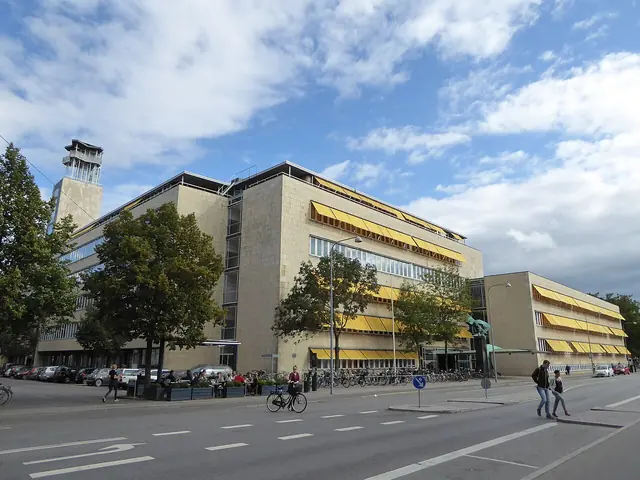
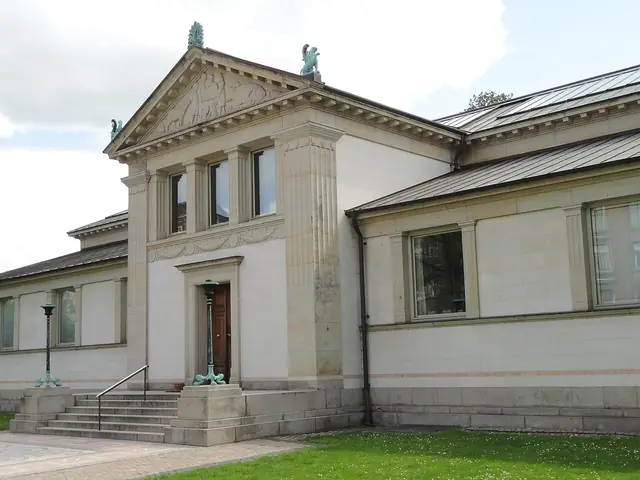
The museum's beginnings go back to 1904, when a police inspector gave the young detective Carl Hansen two damp cellar rooms in the Domhuset, where he displayed evidence from major criminal cases as a study collection. Interest from lawyers, doctors and police officers was so great that the collection moved to the new Politigården in 1924.
Many moves followed – in 1955 to the police academy, in 1967 to an apartment on Blegdamsvej, later to the attic of the police academy – until the museum was closed in the late 1970s. Dedicated police officers then founded the Politihistorisk Selskab (police history society) to build a new museum.
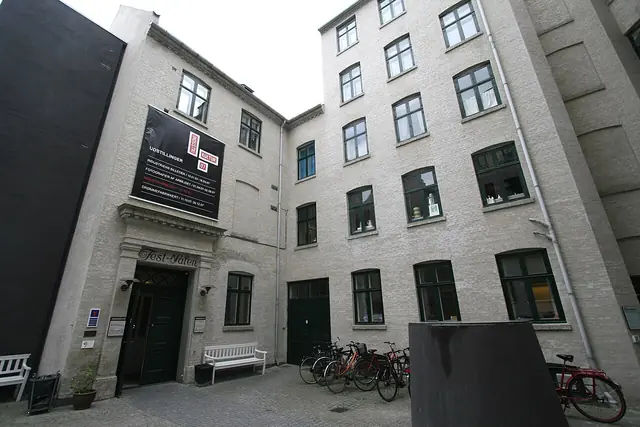
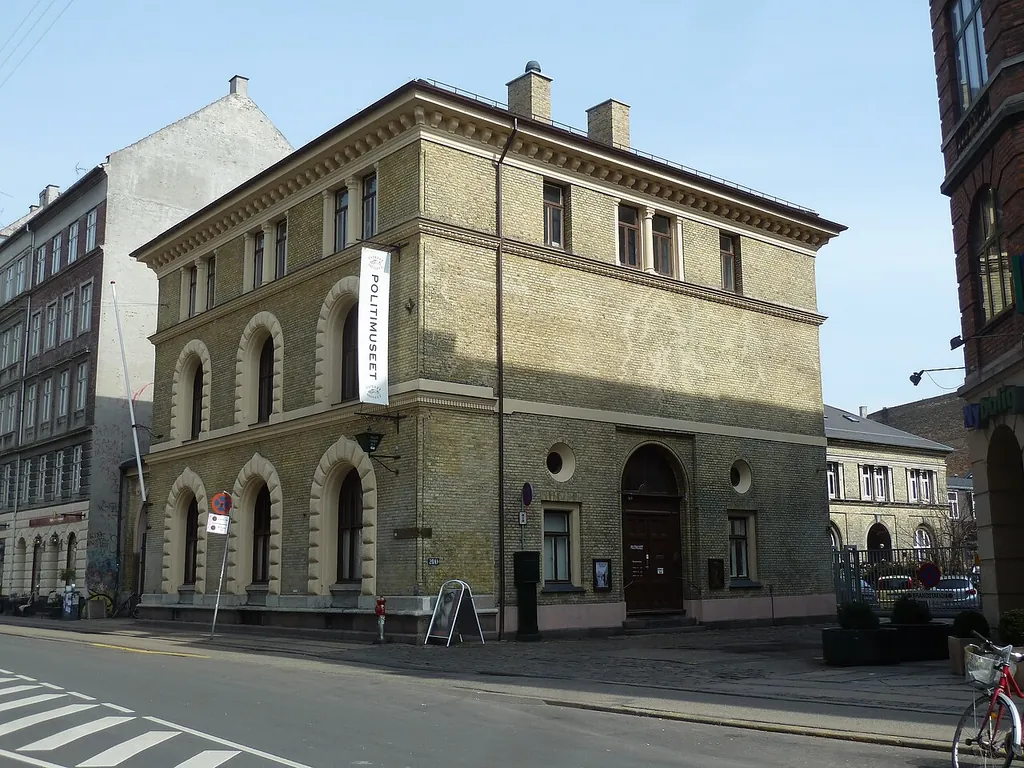
In 1993 it opened in the former police station Station 6 on Fælledvej, a building from 1883; from 1998 the Politihistorisk Museum used the whole building. It was later transferred to the National Police (Rigspolitiet) and has been called Politimuseet ever since.
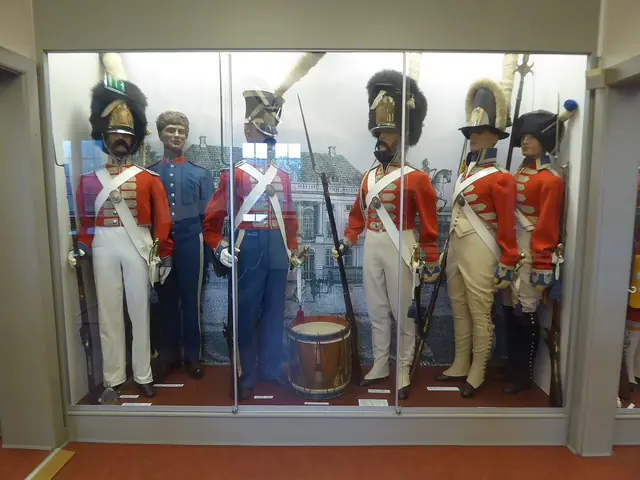
The exhibitions span the administration of justice in the Middle Ages and the night watchmen, the police under the German occupation, counterterrorism, gang crime and modern forensics. One room is devoted to murder cases, and a historic detention cell recalls the escape artist Lorentzen.
Highlights
- Politihånd from the 18th century, the first Danish police badge
- Drabsrummet – a room devoted solely to murder cases such as the hypnosis murders
- Historic detention cell and the escape artist Lorentzen
- Forensics from fingerprints to DNA
- The police under the occupation and the deportation of September 19, 1944
Permanent exhibitions
- Drabsrummet – An entire room on homicides with evidence and weapons, including the hypnosis murders and the case of the baby farmer from the 1920s.
- Politiet under besættelsen – The Danish police during the German occupation, their dilemmas, and the deportation of police officers to concentration camps on September 19, 1944.
- Kriminalteknik – How fingerprints, ballistics, footprints and DNA help solve crimes, shown through actual Danish criminal cases.
- Founded
- 1993
- Operated by
- Rigspolitiet
- Director
- Frederik Strand
Admission & discounts
| Adults | DKK 80 |
|---|---|
| Children & teens | freefree up to age 17 · Children and young people under 18 free (does not apply to guided tours and city walks). |
| Groups (10+ people) | DKK 120 per personGroup tour with a retired police officer, at least 10 paying participants (DKK 1,200); only outside opening hours. |
| Combined guided tour and Nørrebro city walk | DKK 650Surcharge per group in addition to DKK 120 per person; minimum price DKK 1,850 |
| Self-guided school visit (1 hour, outside opening hours) | DKK 400Book in advance by email at skoletjenesten@politimuseum.dk |
Members of the Politihistorisk Forening and one companion have free admission. Individual tickets for public guided tours and special tours are available through Billetto.
Accessibility
- Wheelchair accessible: not available
- Elevator: not available
- Accessible restroom: no information
- Accessible parking: no information
- Service dogs welcome: no information
- Tactile models & exhibits: no information
- Sign language tours: no information
- Easy-to-read materials: no information
- Audio description: no information
Several flights of stairs, high thresholds, no elevator, no lift and no ramp; the museum is located in an old police station from 1883, and alterations are currently not permitted.
Kids & families
Great for kids & families
| Kids’ admission | free up to age 17 |
|---|
- Family tours & workshops
- Stroller-friendly: not available
During the winter and autumn holidays and on Culture Night there are activities for children, such as a crime puzzle (recommended from age 9), police uniforms in children's sizes, fingerprinting, and visits from police dogs and vehicles. According to the museum, the contents of the drawers in the murder room are not suitable for children. Strollers must be left at reception.
Getting there & parking
By public transit
Sankt Hans Torv
Bus 1A to Fælledvej (Sankt Hans Torv); buses 5C and 350S via Nørrebrogade to the Elmegade stop.
Amenities & dining
- Café: not available
- Restaurant: not available
No café and no room for bringing your own food; numerous restaurants around Sankt Hans Torv.
Events & venue rental
The museum hasn’t published any information on this – please ask the museum directly.
Plan your visit
| Guided tours | yes · approx. 2 hrs |
|---|---|
| School programs | yes |
| Photography | Photography allowed, including with flash. |
| Good to know | Guided tours with retired police officers are possible on all weekdays, but not during regular opening hours; groups book by email (booking@politimuseum.dk) at least 10 days in advance, maximum 20 people per guide. Special tours (about 1.5 hours) through Billetto. There are also city walks in Nørrebro and tours of the Københavns Politigård. Groups of 10 or more adults should also inquire in advance about visits during opening hours. |