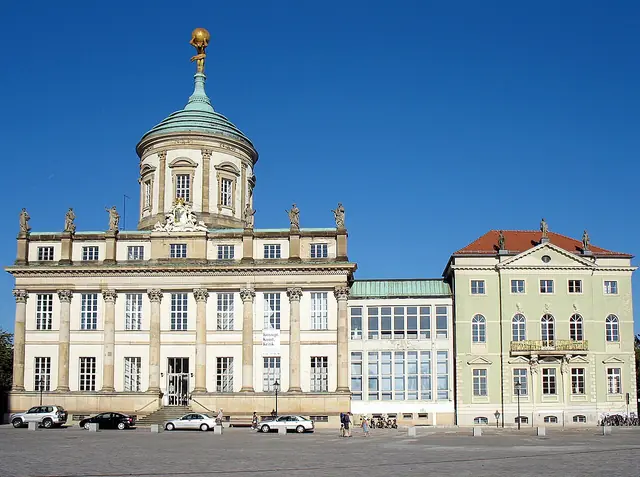
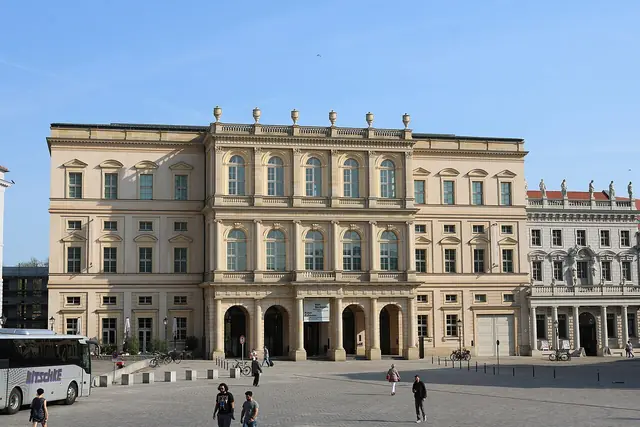
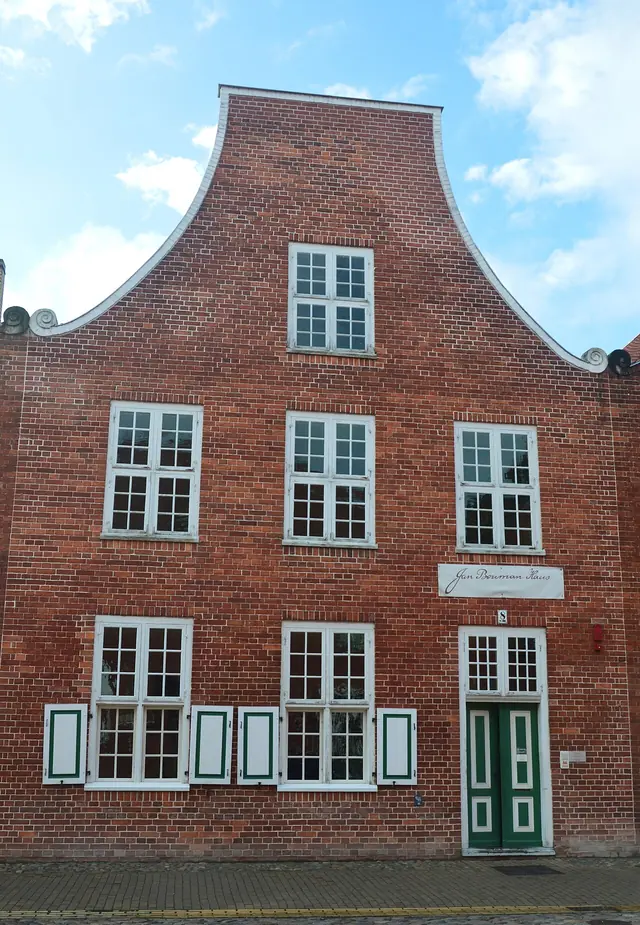
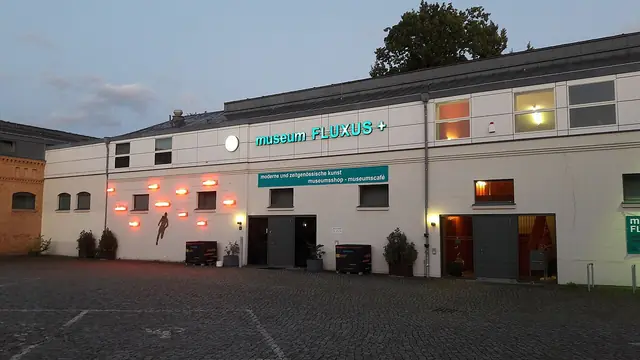
Images from a major East German documentary photography project of the 1990s meet new pictures for which students of FH Potsdam rephotographed the original locations.
About the museum
The museum opened in December 2003 as the Haus der Brandenburgisch-Preußischen Geschichte (HBPG, House of Brandenburg-Prussian History). The State of Brandenburg had acquired the vacant carriage stable on Neuer Markt in 1997 to create a venue for the state's history; after several years of renovation and an extension in the courtyard, the museum initially hosted mainly large temporary exhibitions on Brandenburg-Prussian history.
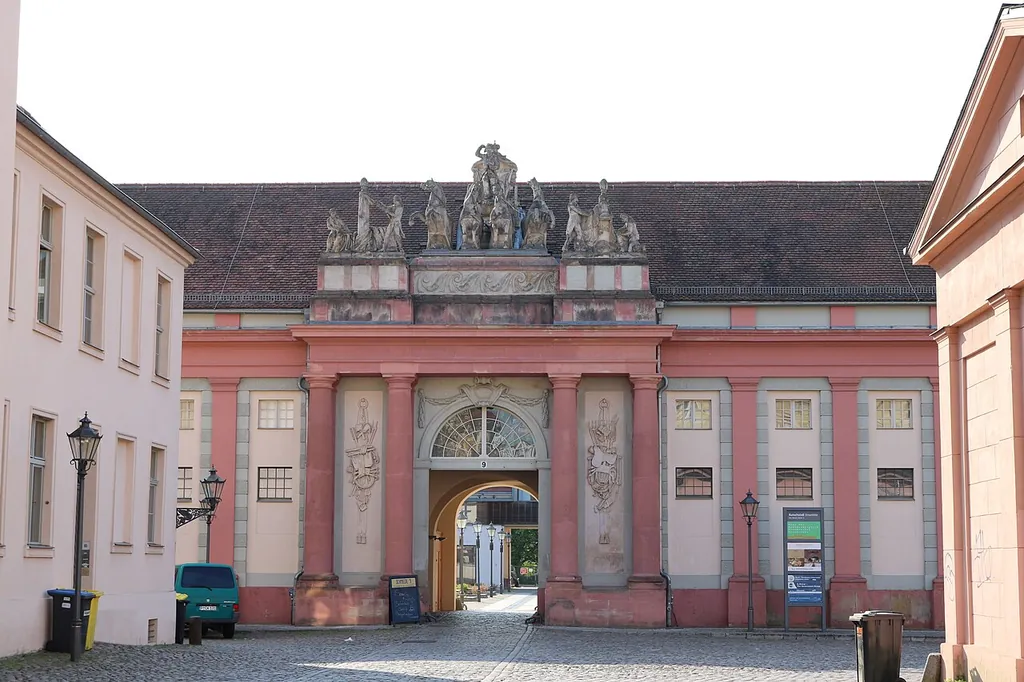
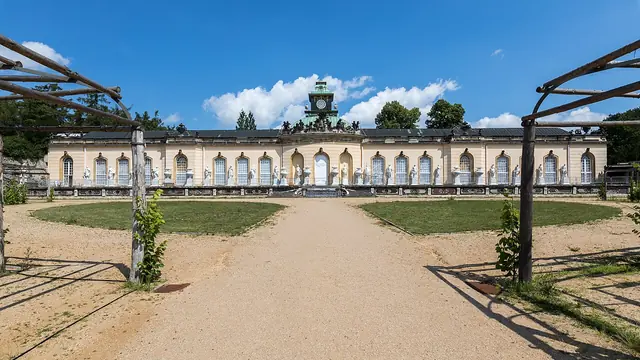
The building itself has a long history: built in 1671 as the Elector's riding stable, it was remodeled in the early Neoclassical style by Andreas Ludwig Krüger from 1787 to 1790 and served the court of the Potsdam City Palace as a stable for its carriage horses until 1918. Above the portal stands an unusual quadriga that shows stable hands instead of allegorical figures. In the 20th century, the police, workshops and, from 1940, a fruit wholesaler used the premises.
From 2018, the museum went through a multi-year renewal process involving structural, technical and conceptual changes; the vaulted halls were renovated in keeping with their listed status by 2020. Since spring 2022, the museum has been fully open again with a new, modular permanent exhibition, and it was later renamed Brandenburg Museum für Zukunft, Gegenwart und Geschichte (Brandenburg Museum for Future, Present and History). It is run by the Brandenburgische Gesellschaft für Kultur und Geschichte and funded by the state and the City of Potsdam.
The Brandenburg.Ausstellung combines loans from museums across the state with digital stations and hands-on formats and asks how images of Brandenburg came about. It is complemented by changing special exhibitions and an extensive program of events.
Highlights
Brandenburg.Ausstellung: ten centuries of state history from the Middle Ages to today
"Lebende Porträts" (Living Portraits) – video sequences of historical figures, created with the Filmuniversität Babelsberg
Carriage stable from 1787–1790 with a quadriga of stable hands above the portal
Pay-what-you-wish admission to the permanent exhibition (€0–10)
Multimedia guide for adults and children, also in Easy German (Leichte Sprache)
Permanent exhibitions
Brandenburg.Ausstellung – An overview of around a thousand years of Brandenburg history, organized by themes such as the natural landscape, European connections, people's everyday lives, and myths and clichés about the region.
Founded
2003
Operated by
Brandenburgische Gesellschaft für Kultur und Geschichte gGmbH
Director
Katja Melzer
Admission & discounts
Adults
free
Reduced
–Retirees, people with severe disabilities, Federal Volunteer Service participants (applies to paid special exhibitions and events)
Children & teens
freefree up to age 17 · Free for under-18s (for paid exhibitions).
Seniors
–Reduced rate for paid special exhibitions.
Visitors with disabilities
–companion free · Reduced rate for paid special exhibitions; companion ("B" marker) admitted free.
Students & apprentices
freeSchool students, university students and apprentices get free admission.
Groups
–Group tours (German or English, max. 12 people, 60 minutes) flat rate €70; book via bildung@gesellschaft-kultur-geschichte.de or +49 331 620 85 32.
Special exhibition "Ach, Brandenburg …" (October 2, 2026 – March 14, 2027)
€8Reduced €5; free admission on the opening weekend, October 1–4, 2026.
Public overview tour of the Brandenburg.Ausstellung (60 minutes)
€7Reduced €5.
MUSEUM combination ticket (Filmmuseum, Brandenburg Museum, Naturkundemuseum, Potsdam Museum)
€14Valid for one adult and two children; price as of June 2026.
Admission to the permanent exhibition Brandenburg.Ausstellung is voluntary: everyone pays what they wish, between €0 and €10. Free admission to paid exhibitions for, among others, people under 18, school students, university students, apprentices, job seekers, recipients of basic income support, holders of the Mobilitätsticket, asylum seekers, ICOM and Museumsbund/museum association members, and journalists.
Accessibility
Wheelchair accessible
Elevator
Accessible restroom
Accessible parking: no information
Service dogs welcome
Tactile models & exhibits: no information
Sign language tours: no information
Easy-to-read materials
Audio description
Step-free access to the foyer and exhibition hall, two elevators to all floors, wheelchair-accessible restroom in the basement. Induction loop at the ticket desk, elevators with tactile labeling, multimedia guide with an audio version and Easy German (Leichte Sprache), subtitled "Lebende Porträts". Folding stools available to borrow free of charge.
Kids & families
Great for kids & families
Kids’ admission
free up to age 17
Family tours & workshops
Activity booklet, scavenger hunt or kids’ audio guide
Hands-on stations
Kids’ birthday parties
Four discovery stations for children up to age 5, a puzzle booklet (€3) for children old enough to read, a children's version of the multimedia guide, flashlight tours, a holiday program, and a children's birthday party as a detective case for 9- to 12-year-olds.
Getting there & parking
By public transit
Alter Markt/Landtag
Tram 91, 92, 93, 96, 99 and bus 604, 614, 650 to Alter Markt/Landtag; Potsdam Hauptbahnhof (RE1, S7) about a 10-minute walk.
By car
Paid parking
No dedicated parking lot; paid parking at the Neuer Markt (few spaces), on Schloßstraße, Yorckstraße, Siefertstraße and Am Kanal. Coaches: Bassinplatz parking lot, Charlottenstraße, Lustgarten parking lot.
Visitor entrance through the gateway at the Neuer Markt, then to the left.
No café or restaurant in the building. Free lockers in the basement for coats and bags larger than A4. Museum shop with literature on Brandenburg history. Free Wi-Fi (access details at the ticket desk).
Events & venue rental
Spaces for rent
Private parties
Corporate events
A conference room, a seminar room and the historic vaulted hall (50, 114 and 255 m² according to the City of Potsdam) are available for conferences, receptions, workshops, corporate events and private celebrations; children's birthday parties as well.
Private photos and videos allowed, without flash, extra lighting or tripod; commercial photography only with permission.
Good to know
Web-based multimedia guide for adults and children, loan devices available; according to the exhibition page in German, English, Polish and Easy German (the FAQ lists only German, English and Easy German). Themed group tours on topics including Jewish life, migration, the Reformation and climate; flashlight tour Thursdays at 18:30. Free "Mitten im Leben" program for people receiving home care.