Waisenhaus-Museum
Small museum in the former musicians' house of the Great Military Orphanage in Potsdam, telling the story of the orphaned children from 1724 to 1952.
Have only individual sections read aloud
About the museum
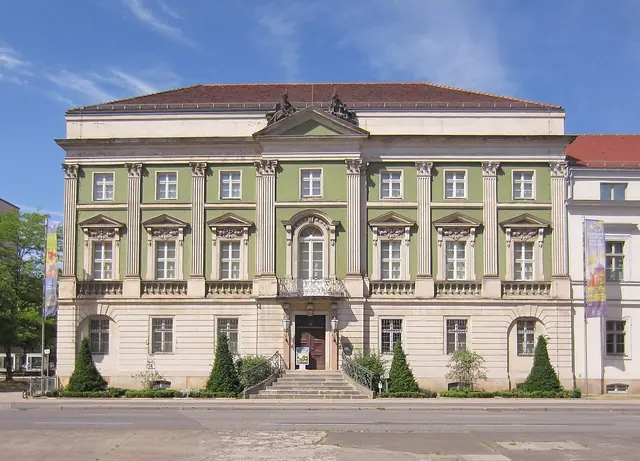
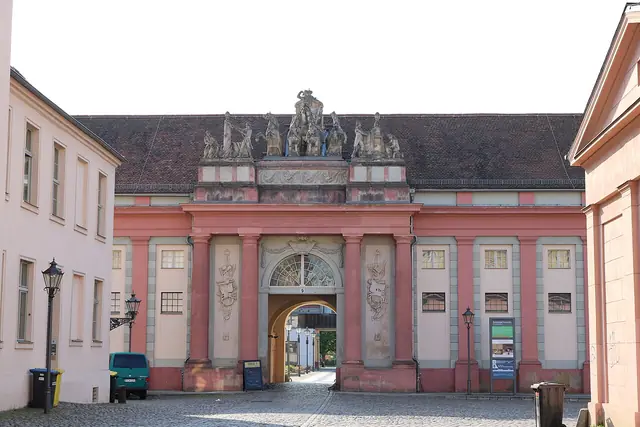
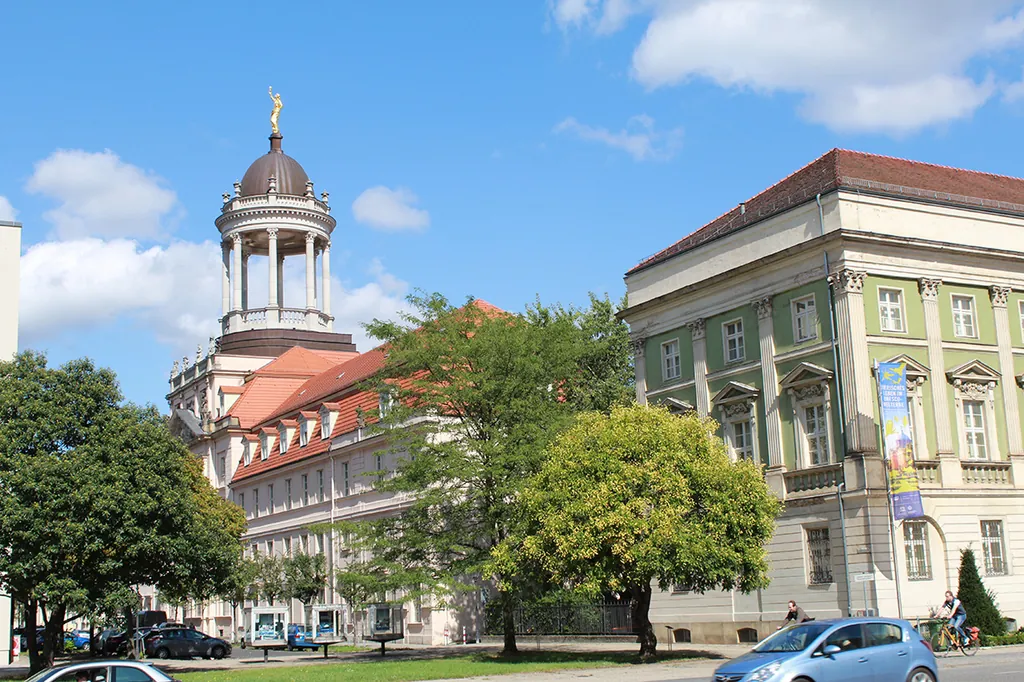
King Frederick William I founded the "Große Militär-Waisenhaus zu Potsdam" (Great Military Orphanage of Potsdam) in 1724 as an institution for children without means, initially only for the children of military personnel. The children were to be housed, taught and trained, so as to lay the foundation for an independent life. The master builder Carl von Gontard erected the extensive complex from 1771 to 1777 and crowned it with the dome of the Monopteros. In April 1945, large parts were destroyed in the war; reconstruction dragged on for decades, and the building has been renovated since 2004.
The foundation existed in changing forms until 1952, when it was expropriated without compensation. In 1992, the Brandenburg state government decided to re-establish the Stiftung Großes Waisenhaus zu Potsdam. The foundation runs the museum, one of the city's youngest museums, in the former musicians' house of the orphanage.
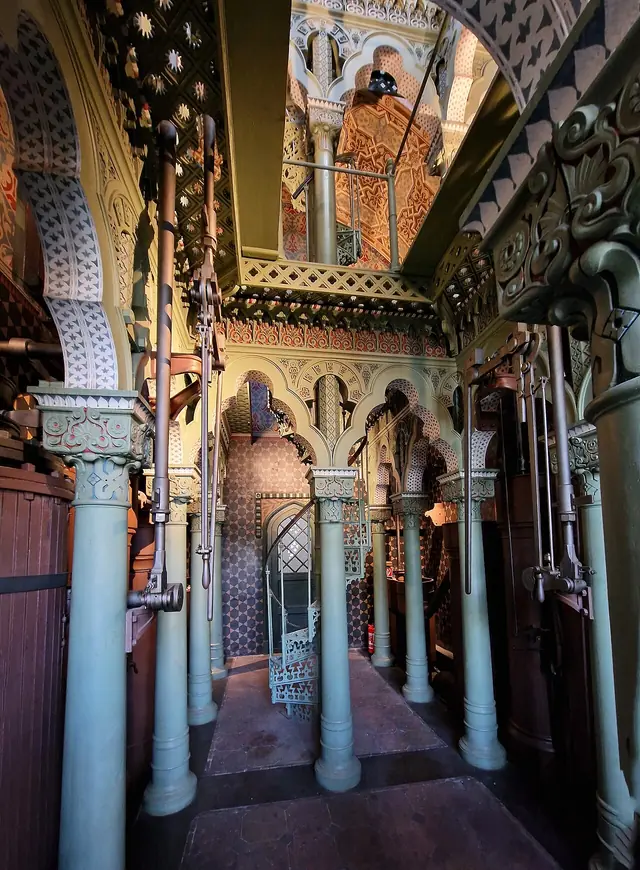
On roughly 80 square meters, the exhibition shows how the children lived, learned and worked between 1724 and 1952, how educational concepts changed, and which representative buildings the Prussian kings had erected for the children. The comic characters Henriette (15) and her brother Johann (12), who are said to have lived in the orphanage about 200 years ago, act as companions for young visitors. The historic staircase by Gontard can also be visited.
Highlights
- Everyday life in the military orphanage, 1724–1952, on 80 square meters
- Comic characters Henriette and Johann as companions for children and young people
- Historic staircase by Carl von Gontard (from 1773), freely accessible
- Guided tours on the 300-year history of the orphanage
Permanent exhibition
- Dauerausstellung im Musikerhaus – Shows on 80 square meters how the children of the military orphanage lived, learned and worked from 1724 to 1952, and how educational concepts changed.
- Operated by
- Stiftung Großes Waisenhaus zu Potsdam
Admission & discounts
| Adults | €3 |
|---|---|
| Children & teens | freefree up to age 17 · Children and young people up to and including age 17 have free admission. |
| Seniors | –No reductions specified. |
| Groups | –Guided tours for school classes cost €1 per child. |
Accessibility
The museum hasn’t published any information on this.
Kids & families
Great for kids & families
| Kids’ admission | free up to age 17 |
|---|
- Family tours & workshops
- Activity booklet, scavenger hunt or kids’ audio guide
The exhibition is designed with comic characters for children and young people; children and young people up to age 17 have free admission.
Getting there & parking
By public transit
Naturkundemuseum · 3-min walk
Bus line 695 to the stop "Naturkundemuseum" (3 minutes on foot); tram from "Alter Markt/Landtag" about 10 minutes; from the tram and bus stop "Dortustraße" about 7 minutes on foot.
Entrance in the inner courtyard, Breite Straße 9a.
Get directionsAmenities & dining
The museum hasn’t published any information on this.
Events & venue rental
The museum hasn’t published any information on this.
Plan your visit
| Guided tours | yes |
|---|---|
| School programs | yes |
| Good to know | Guided tours on the 300-year history or on other topics on request. For school classes and children's and youth groups there is the age-appropriate tour “Life in the Orphanage”, in which a “button game” (Knopfspiel) is made, plus further games. A digital offering from the foundation is available at erfahren.stiftungwaisenhaus.de. The staircase is freely accessible during office hours, Monday to Friday (offices inside – please be quiet). |