Halloren- und Salinemuseum
Museum of Halle's salt history and the Halloren salt workers on Saline Island – closed for conversion, with a new permanent exhibition from 2027.
About the museum
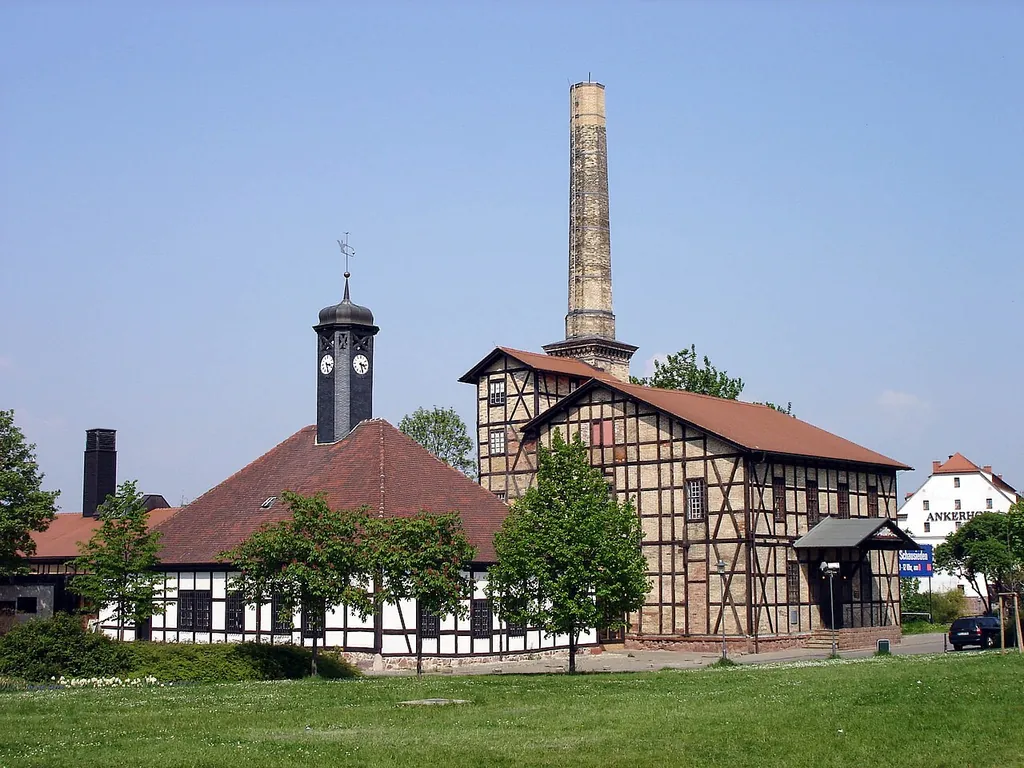
The Royal Prussian Saltworks was built from 1719 onward on an island in the Saale River, because the Prussian state wanted to become independent of foreign salt and make use of the city's surplus brine. Early on, hard coal and larger pans were used here for boiling. The half-timbered Uhrenhaus (clock house), originally a salt warehouse, dates from this period and later became the landmark of the ensemble. The large south boiling hall was added in 1870, followed in 1933/34 by the more modern north boiling hall, with coal delivered by conveyor belts. A small company museum existed as early as 1936.
After salt production ended in 1964, a museum on salt production and on the Brotherhood of the Halloren, Halle's salt workers with their long tradition, opened in the Uhrenhaus in 1967. With the installation of a demonstration boiling facility in Siedehaus VI – a building erected in 1789 and moved to the island in 1869, and one of the oldest surviving salt-boiling houses in Germany – it became the Technisches Halloren- und Salinemuseum in 1969. From 2010, the association Hallesches Salinemuseum continued running it.
Around 2020, the museum in the Uhrenhaus closed. Since then, the City of Halle has been restoring the two large boiling halls in keeping with their listed status at a cost of around €16.6 million, mostly from EU funding, as the salt had badly damaged the masonry and half-timbering. The halls are being turned into a modern industrial museum about salt, industrial culture, structural change and the Halloren, with a new demonstration boiling facility, a treasury and a salt lab. The Uhrenhaus now houses the museum's management and education department. During the conversion, the museum presented annual exhibitions on the state of the plans; the new permanent exhibition is scheduled to open in spring or summer 2027.
Highlights
- Half-timbered Uhrenhaus with roof turret, the landmark of the saltworks ensemble
- Siedehaus VI from 1789, one of the oldest surviving salt-boiling houses in Germany
- Restored large boiling halls from 1870 and 1933/34, the future exhibition halls
- Planned demonstration facility for regular salt boiling in front of visitors
- Traditions and ceremonial dress of the Halloren Brotherhood
Permanent exhibitions
- Neue Dauerausstellung: Salz, Industriekultur und Halloren – An interactive exhibition on salt production, the industrial development of central Germany and the Halloren is being created in the restored large boiling halls, along with a new demonstration boiling facility. Opening planned for spring/summer 2027.
- Founded
- 1967
- Operated by
- Stadt Halle (Saale)
Admission & discounts
The museum hasn’t published any information on this – please ask the museum directly.
Accessibility
The museum hasn’t published any information on this – please ask the museum directly.
Kids & families
The museum hasn’t published any information on this – please ask the museum directly.
Getting there & parking
The museum hasn’t published any information on this – please ask the museum directly.
Amenities & dining
The museum hasn’t published any information on this – please ask the museum directly.
Events & venue rental
Event spaces are planned in the large boiling halls of the new museum; terms have not yet been published.
Plan your visit
| Good to know | The former operating association, Hallesches Salinemuseum e. V. (salinemuseum.de), offers digital and traveling exhibitions on the Halloren and the saltworks. |
|---|
Museums nearby
Geiseltalmuseum
Wilhelm-Friedemann-Bach-Haus
Kunstmuseum Moritzburg Halle (Saale)
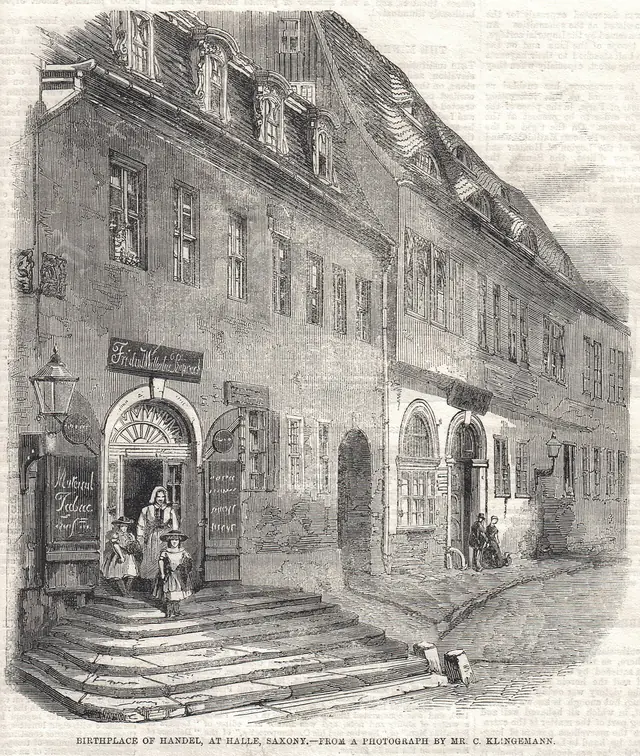
Händel-Haus
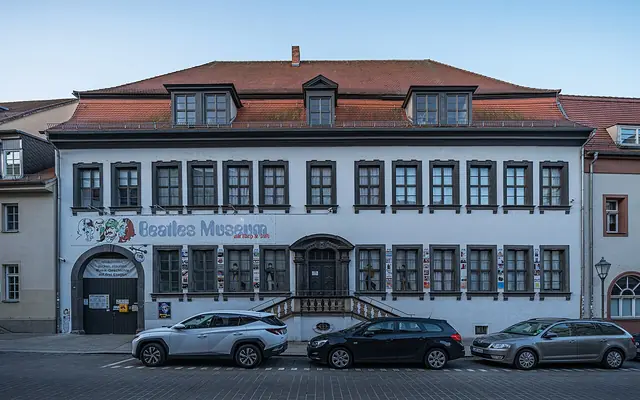
Beatles-Museum Halle
Stadtmuseum Halle
All 17 museums in Halle (Saale) All museums in Saxony-Anhalt