March 23, 2025 – April 4, 2027
Max und mini – Studienausstellung
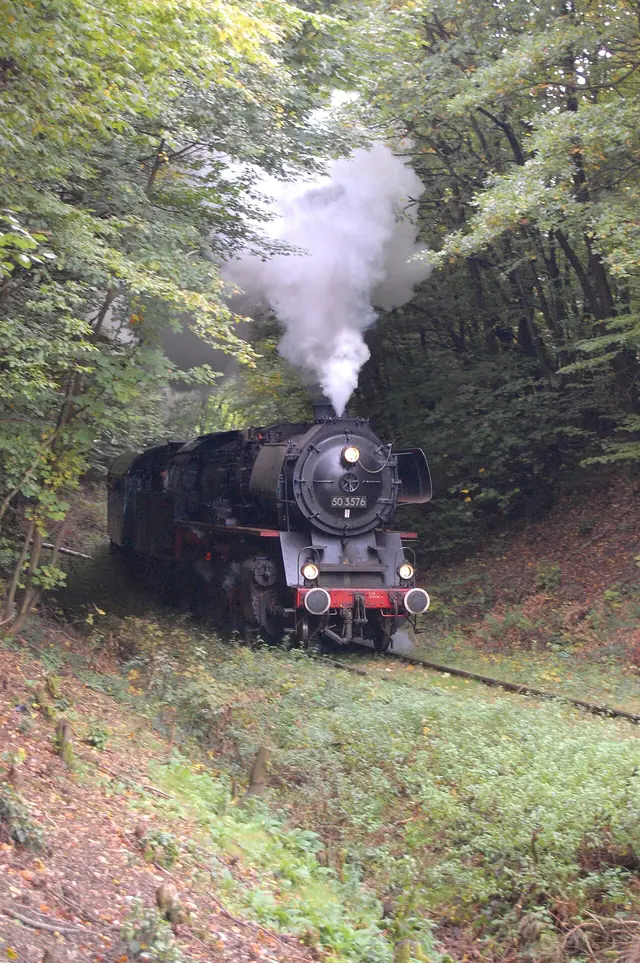
This natural history study exhibition presents record-holders of the animal world – from the largest to the smallest creatures – and explores the natural limits of size.
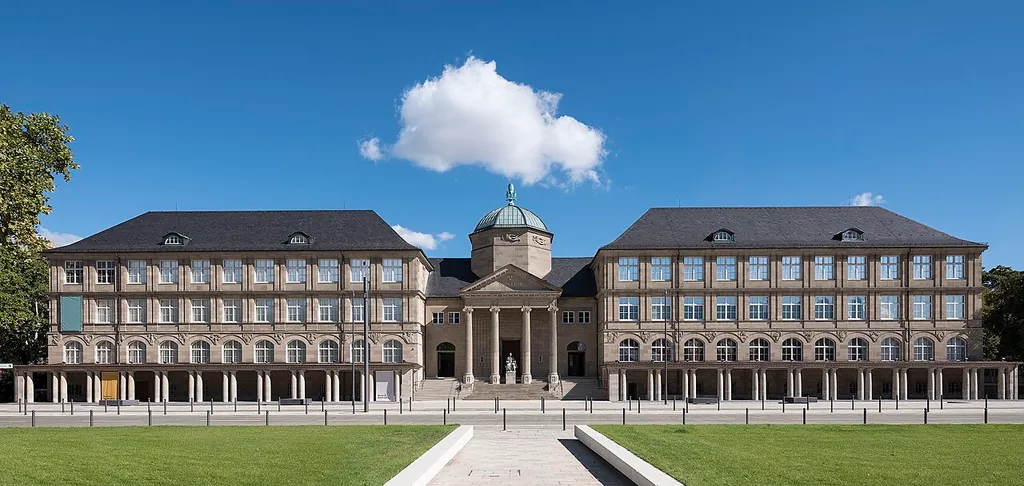
Hessian state museum of art and natural history: Jawlensky, the Neess Art Nouveau collection, Old Masters and natural history theme rooms under one roof.
March 23, 2025 – April 4, 2027
This natural history study exhibition presents record-holders of the animal world – from the largest to the smallest creatures – and explores the natural limits of size.
February 6, 2026 – November 22, 2026
Posters from the Maximilian Karagöz collection trace how political advertising in the Weimar Republic escalated from factual argument to emotional propaganda, up to the Nazi seizure of power.
February 9, 2026 – April 25, 2027
The rearranged collection presentation introduces modern and contemporary works through surprising questions about self-portraiture, material and perception.
March 20, 2026 – April 4, 2027
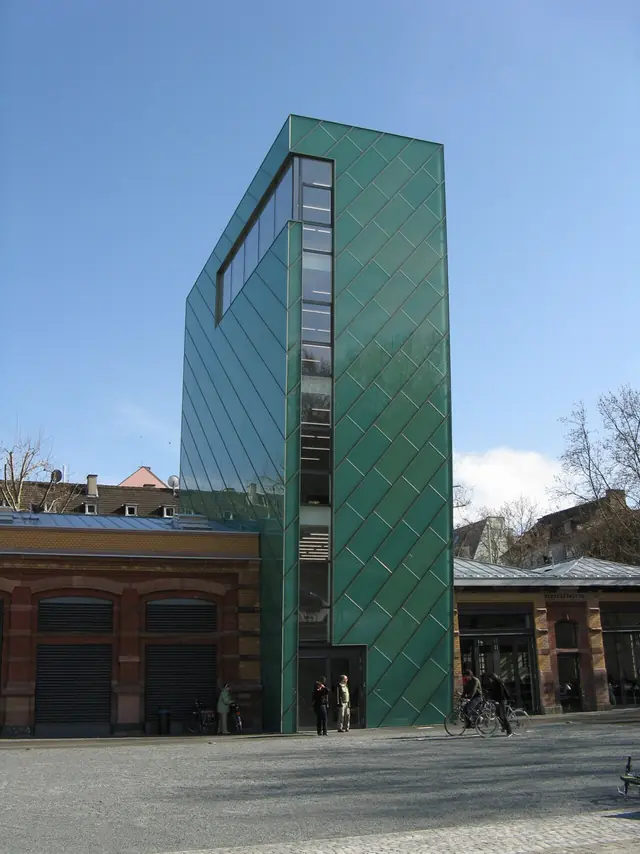
The exhibition shows how poisons work in nature, culture and science – from venomous animals and poisonous plants to medicines that heal rather than kill.
May 22, 2026 – January 17, 2027
A retrospective of the almost forgotten Dresden Art Nouveau and Symbolist painter Georg Lührig (1868–1957), with landscapes, animal pictures, portraits and digitally reconstructed murals destroyed in 1945.
June 7, 2026 – January 10, 2027
A study exhibition on parental care in the animal kingdom, for example among king penguins and three-toed sloths, and on whether it is driven by instinct alone.
September 11, 2026 – April 4, 2027
This intervention with painted steel structures links industrial imagery with questions of exploitation, labor and social justice.
October 23, 2026 – February 21, 2027
Twelve women artists from the circle of the Blue Rider (Blauer Reiter), including Marianne von Werefkin, Gabriele Münter and Sonia Delaunay-Terk, and their long-underestimated contribution to modernism.
The roots of Museum Wiesbaden lie in the collection of the Frankfurt collector Johann Isaac Freiherr von Gerning. At the suggestion of Johann Wolfgang von Goethe, who visited Wiesbaden, the Duchy of Nassau purchased his artworks, antiquities and natural specimens and displayed them in the Erbprinzenpalais; 1825 is considered the founding year. The holdings gave rise to three museums, supported by the Verein für Nassauische Altertumskunde (antiquities society), the Nassauischer Verein für Naturkunde (natural history society) and the Nassauischer Kunstverein (art association).
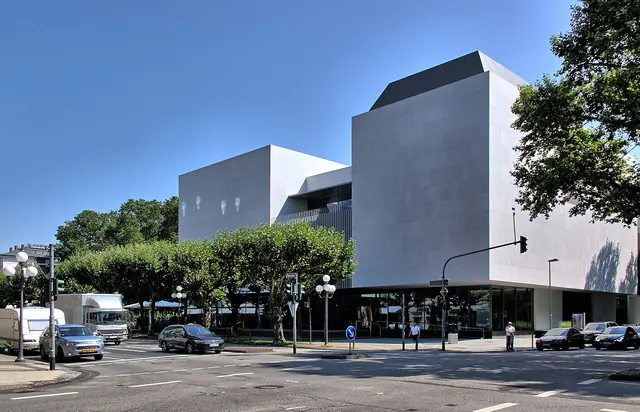
In 1900 the three museums passed into municipal ownership. In 1913–1915 Theodor Fischer designed a joint new building on what is now Friedrich-Ebert-Allee, housing all the collections as well as rooms for temporary exhibitions. In the 1920s the art collection grew, among other things through long-term loans from the collector Heinrich Kirchhoff. In 1937 Expressionist and abstract works were confiscated; at the same time, up to 1945, director Hermann Voss acquired more than 200 paintings whose provenance is now being systematically researched.
After the war, the US military government used the building as a Central Collecting Point for looted and relocated artworks. Under director Clemens Weiler, the museum built up its important collection of works by Alexej von Jawlensky, who had spent the last two decades of his life in Wiesbaden. In 1973 the state of Hesse took over the museum.
A comprehensive renovation modernized the climate control and exhibition rooms while preserving Fischer’s architecture; today around 7,400 square meters of exhibition space are available. The museum shows art from the 12th century to the present, the Neess Art Nouveau collection and natural history theme rooms. In its anniversary year of 2025, it recorded more visitors than at any time in about 25 years.
| Adults | €8 |
|---|---|
| Reduced | €5University students, apprentices, volunteer-service participants, people with severe disabilities, unemployed people and recipients of Bürgergeld/social benefits, BDK members, and holders of the Citycard, Wiesbaden Card, Ehrenamtscard (volunteer card), Juleica, RheinMainCard, Stadtleben Card, artcard or the Museum Reinhard Ernst annual pass (with proof) |
| Children & teens | freefree up to age 17 · Children and young people under 18 get free admission; so do school classes and educational groups, including two accompanying adults. |
| Seniors | –No senior discount listed. |
| Visitors with disabilities | €5Holders of a severe disability ID (Schwerbehindertenausweis) pay the reduced price; no policy for companions is stated. |
| Students & apprentices | €5Students of art, art history, art education, geology and biology, as well as students of several Wiesbaden universities (including Hochschule RheinMain, Fresenius and EBS), get free admission. |
| Groups (15+ people) | €5 per personFor groups of 15 or more, €5 per person for the permanent exhibitions or €9 for special exhibitions. Private guided tours €85 (60 min.) or €125 (90 min.) plus admission, from October 1, 2026 €95/€135; curator’s tour €150; foreign-language tours from €105. |
| Families | –No dedicated family ticket; children under 18 are free. Holders of the Familienkarte Hessen or the FamilienApp Hessen get free admission to the permanent exhibitions. |
Free admission: Every first Saturday of the month (Free Saturday, all exhibitions)
The listed prices apply to the permanent exhibitions; special exhibitions €12, reduced €9 (including the permanent exhibitions). Public guided tours €4 plus admission (from October 1, 2026: €5), tickets at the box office. Combined discount with Museum Reinhard Ernst: a full-price ticket from one museum gets you reduced admission at the other on the same or next opening day. Free admission for, among others, members of the Friends of the Museum, ICOM, the Deutscher Museumsbund, Deutsche Bank Art Card holders, teachers preparing lessons, refugees and the press.
Accessible entrance to the right of the entrance steps, from there by elevator to the foyer. Wheelchairs, stools, buggies and baby carriers can be borrowed in the foyer (no reservations). Wheelchair-accessible restroom with a baby changing table with knee clearance on the lower level; lockers accessible by elevator. Induction loop in the lecture hall. The museum app offers a highlights tour in German Sign Language and in Easy-to-Read German. Inclusive guided tours and workshops for groups by arrangement (edu@museum-wiesbaden.de). Assistance dogs welcome. Detailed information in the “Reisen für Alle” (Travel for All) assessment report.
Great for kids & families
| Kids’ admission | free up to age 17 |
|---|
Museum workshop and drawing classes for children, open studio for families, exploring at “Natur unter der Lupe” (Nature under the Magnifying Glass), birthday parties; hands-on materials and quizzes on the exhibitions online. Buggies and baby carriers can be borrowed in the foyer, and strollers can be left at the coat check. Baby changing table in the accessible restroom in the coat check area (lower level). Children up to 12 only when accompanied by an adult.
Rheinstraße
Bus stops Rheinstraße and Wilhelmstraße; approx. 800 m on foot from Wiesbaden Hauptbahnhof (S1, S8, S9 as well as regional and long-distance trains).
Parking available
RMCC parking garage or parking spaces on Friedrich-Ebert-Allee (also for coaches).
By car via the A 66, exit Wiesbaden-Erbenheim, toward the city center (Stadtmitte).
Get directions“Trüffel Museumscafé” (Tue–Sun 11:30–17:00, Thu until 20:30) with snacks and full meals, coffee and cake; the café and bookshop can be visited without an admission ticket. Lockers taking a €1 coin on the lower level; bags larger than A4 and backpacks must be stored. Free Wi-Fi throughout the visitor areas.
Up to 262 guests.
Spaces available for events, conferences and receptions, including catering and guided tours by museum curators. According to a previous rental page (no longer accessible at last check): lecture hall with 262 seats, Wandelhalle (promenade hall) with side wings (approx. 300 m²), café rooms, Old Library (65 m²) and Small Corner Room (80 m²). Contact according to the contact page: event coordination, +49 611 3352238. The Trüffel Museumscafé offers event catering.
| Guided tours | yes · approx. 60 min |
|---|---|
| Audio guide | yes (DE) |
| School programs | yes |
| Photography | Permitted in the permanent exhibitions for private purposes – without flash, tripod or selfie stick and keeping at least 80 cm away from the works. |
Cookies help you use this website. We only load the map and statistics with your consent.