Museo civico archeologico di Villa Mirabello
Archaeological museum in Varese, housed in a nineteenth-century villa in the Giardini Estensi, with prehistoric finds from the lake-dwelling sites, the Golasecca culture and a Roman section.
Have only individual sections read aloud
About the museum
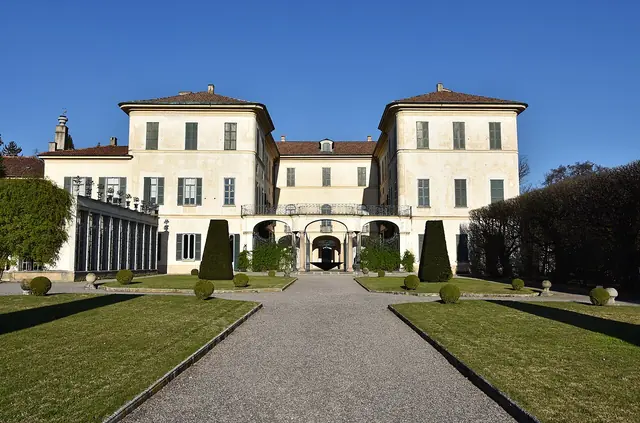
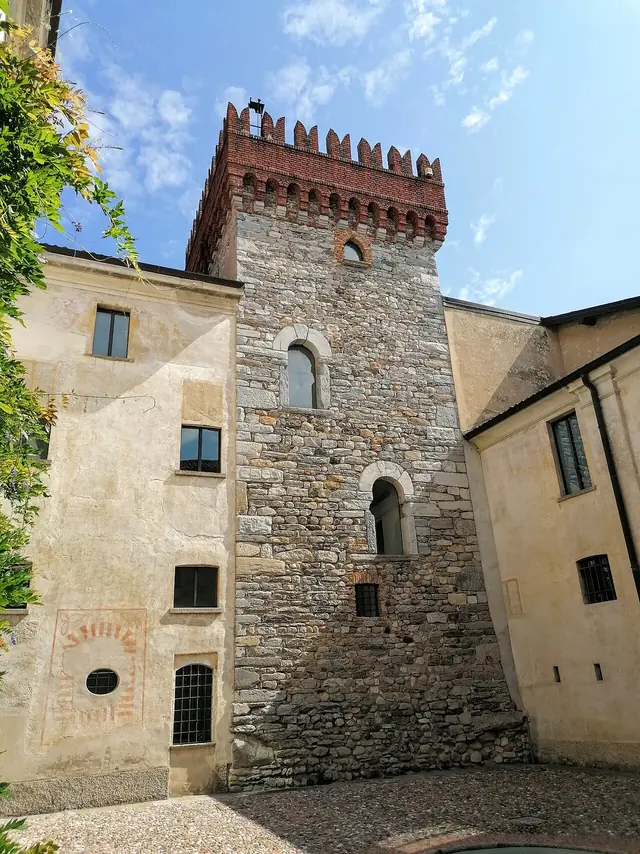
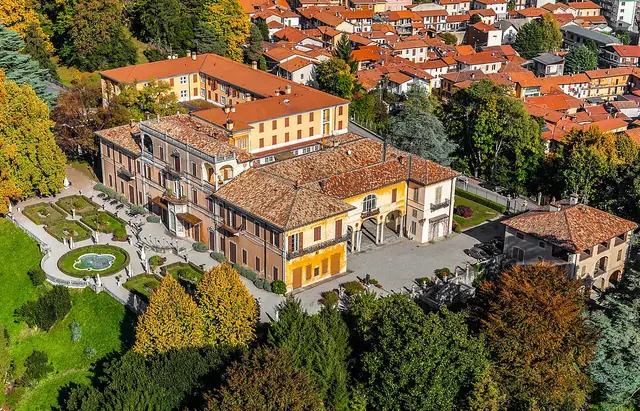
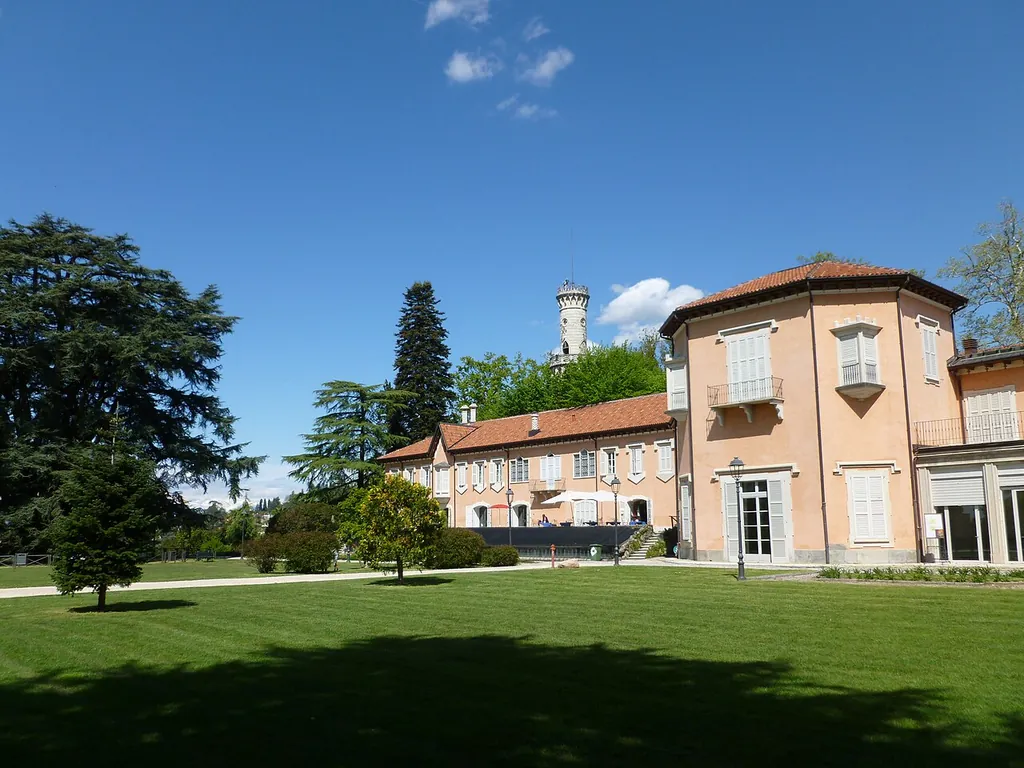
Villa Mirabello stands on the hill overlooking Lake Varese and the Alps, next to the Giardini Estensi. The villa was built in the course of the 18th century by Count Gaetano Stampa di Soncino. It then passed to Luigi Taccioli, who had it remodelled in 1839 in the English Gothic (Tudor) style, and later to the Marquises Litta Modignani. Since 1948 it has belonged to the municipality (Comune) and houses the Musei Civici, opened in 1949. Today it is the seat of the archaeological museum and a small Risorgimento section.
The collections originate in the Museo Patrio and have been enriched with finds from the excavations of the lake-dwelling settlements of Isolino Virginia and Bodio Centrale, which are part of the Unesco site “Siti palafitticoli preistorici dell’arco alpino”. Isolino Virginia has yielded the earliest dates among the pile-dwelling settlements of the Alpine arc, which were inhabited for more than four thousand years, until the end of the Bronze Age.
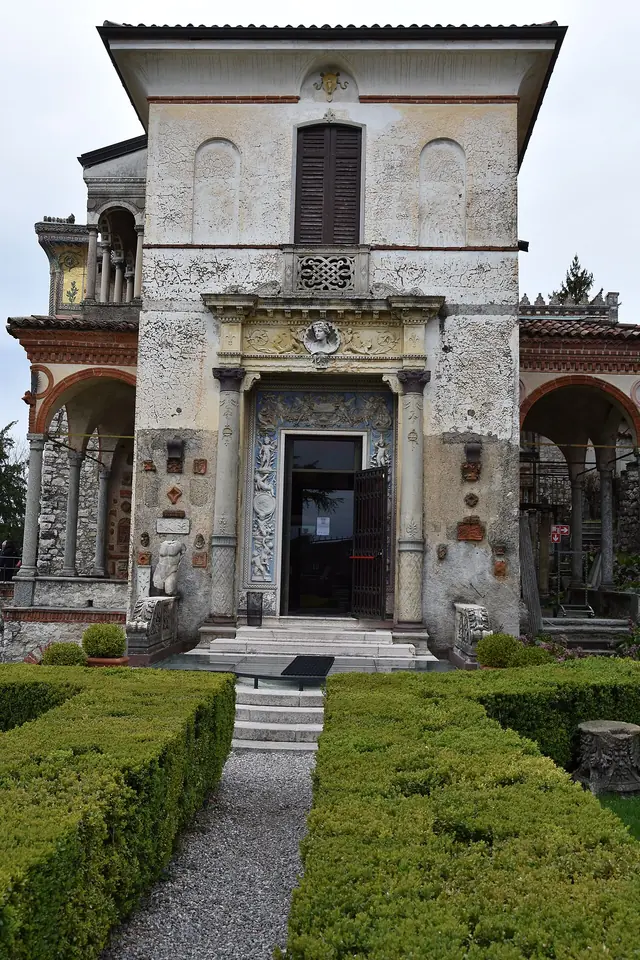
The route follows a chronological order and is accompanied by panels reconstructing everyday life. It presents the Celtic Golasecca culture (9th–4th century BC), with some of the oldest examples of writing in the area and the grave goods of a warrior buried at Sesto Calende in the 6th century BC, and the Roman period, with a lapidarium of inscriptions. The story ends with the large painting by Eleuterio Pagliano of the landing of the Cacciatori delle Alpi at Sesto Calende, accompanied by a multimedia project on the Battle of Varese of 26 May 1859. The park of the villa, with monumental trees such as a Lebanon cedar more than 28 metres tall, is open to the public.
Highlights
- Finds from the lake-dwelling sites of Isolino Virginia and Bodio Centrale (Unesco)
- Golasecca culture, with the grave goods of the warrior from Sesto Calende
- Roman lapidarium with inscriptions
- Painting by Eleuterio Pagliano of the landing of the Cacciatori delle Alpi, with multimedia installation
- Park with monumental trees, including a Lebanon cedar
Permanent exhibitions
- Museo Archeologico di Villa Mirabello – Prehistoric and Roman sections with finds from the Varese area, from the lake-dwelling sites to the Golasecca culture.
- Sezione risorgimentale – A small but important section devoted to the Risorgimento, with Pagliano's painting and the multimedia installation on the Battle of Varese of 1859.
- Founded
- 1871
- Operated by
- Comune di Varese – Musei Civici
- Visitors per year
- approx. 17,565
Admission & discounts
| Adults | €5 |
|---|---|
| Reduced | €3 |
| Children & teens | freeChildren enter free. |
The ticket entitles the holder to a free visit to the Castello di Masnago (Museum of Modern and Contemporary Art) within one year of issue. Free admission for ICOM members and holders of the Abbonamento Musei Lombardia + Valle d’Aosta. The park has free admission.
Accessibility
The museum hasn’t published any information on this.
Kids & families
The museum hasn’t published any information on this.
Getting there & parking
By public transit
Sacco
Urban bus lines B (towards Corridoni), E (Avigno), N (Calcinate del Pesce) and Z (Calcinate degli Orrigoni), stop “Sacco”. Varese can be reached by train with Trenord.
By car
Paid parking
Paid parking in Via Lonati. The municipality also recommends Via San Francesco and Via Verdi (both paid).
From the Autostrada dei Laghi (A8) to Varese, then follow the signs for “Villa Mirabello”. The villa is in the centre of Varese and can be reached on foot from any point in the historic centre.
Get directionsAmenities & dining
The museum hasn’t published any information on this.
Events & venue rental
The museum hasn’t published any information on this.
Plan your visit
| Guided tours | yes |
|---|---|
| School programs | yes |
| Good to know | The Musei Civici offer guided tours and educational workshops for schools of all levels. |