Casa Rocca Piccola
Privately owned 16th-century palace in Valletta, home of the de Piro family, with historic rooms, collections and Second World War bomb shelters.
Have only individual sections read aloud
About the museum
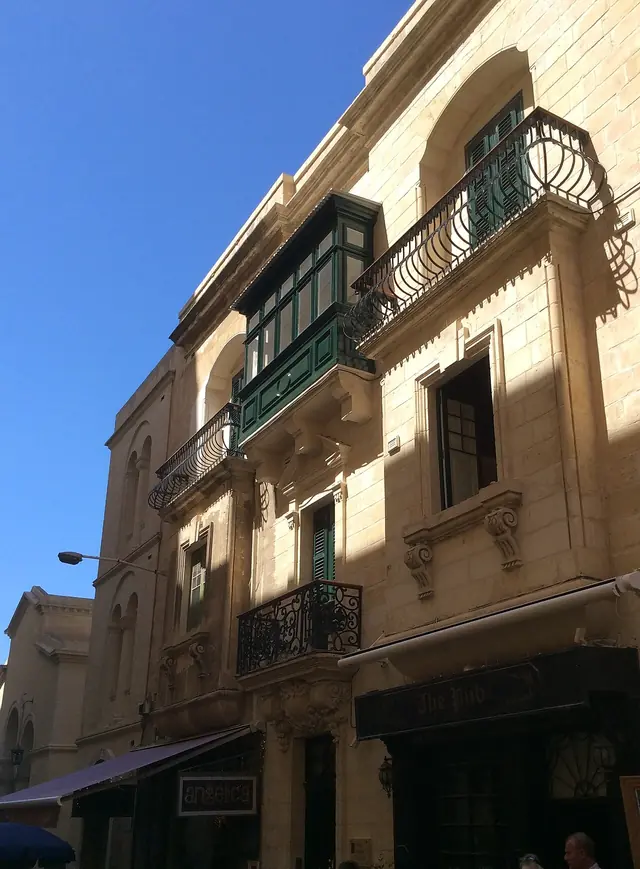
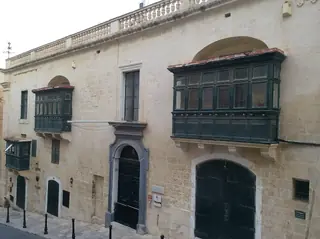
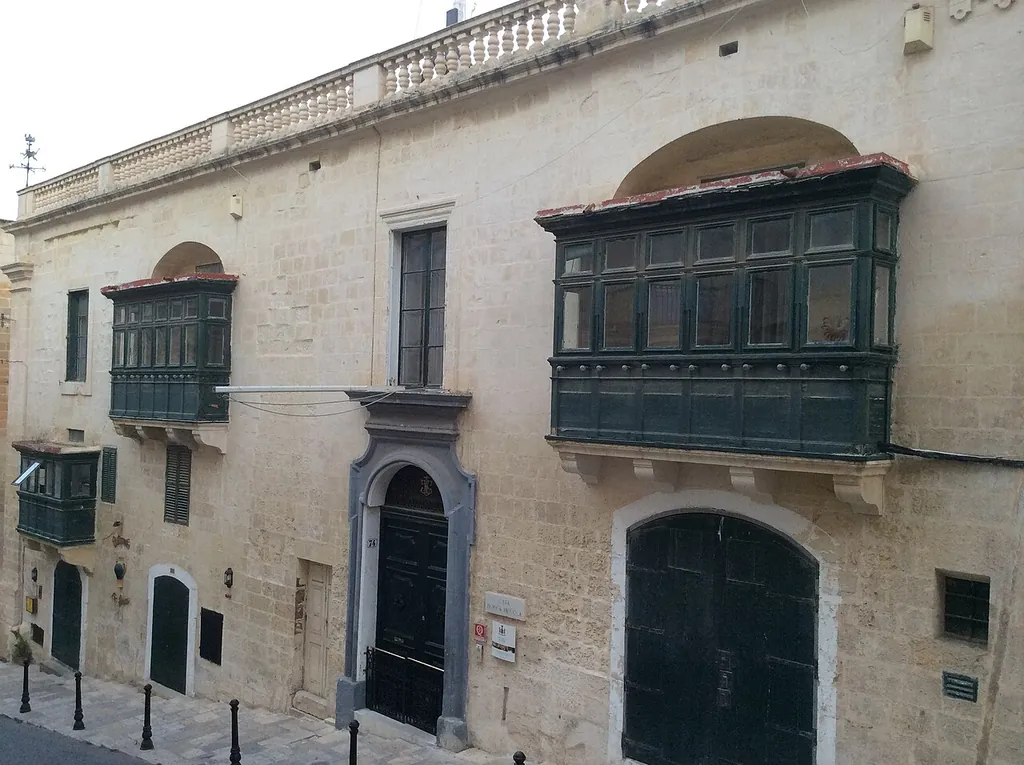
Casa Rocca Piccola is a palace on Republic Street in Valletta, built about 400 years ago by Don Pietro La Rocca, an admiral and Knight of Malta. It is still privately owned by the de Piro family, who came to Malta in 1530 with the Order of St John after the knights were expelled from Rhodes. The family received the title of Baron of Budaq in 1716 and that of Marquis de Piro in 1742, and has lived in Valletta for almost 350 years. Nicholas de Piro and his wife Frances were the first members of the Maltese aristocracy to open their home to the public.
The palace has more than 50 rooms, many of which can be seen. Visitors tour the twelve rooms of the piano nobile, which tell the story of Valletta and Malta through one noble family and display furniture, silver, paintings, costume and lace, and archives. Guided tours explain the customs and traditions of the Maltese nobility.
Beneath the house are two wells that were converted into large bomb shelters in the Second World War. They were cut from the rock of the quarry used to build the house, and the larger one served as a chapel in which over 100 people crowded during air raids. Visitors can walk into the shelters. The property also has a garden, a café and an Italian restaurant in the old kitchens, and bed and breakfast rooms.
Highlights
- Twelve rooms of the piano nobile with furniture, silver and paintings
- Guided tours by the family’s team on the customs of the Maltese nobility
- Second World War bomb shelters cut into the rock
- Collection of costume and lace
- Garden, café and restaurant on the premises
Permanent exhibitions
- The palace and its collections – Twelve rooms of the piano nobile with furniture, silver, paintings, costume and lace and the family’s archives.
- Second World War bomb shelters – Two former wells converted into shelters, the larger of which served as a chapel during the air raids.
- Operated by
- de Piro family
Admission & discounts
The museum hasn’t published any information on this.
Accessibility
- Partially wheelchair accessible
- Elevator
- Accessible restroom
- Accessible parking: no information
- Service dogs welcome
- Tactile models & exhibits: no information
- Sign language tours: no information
- Easy-to-read materials: no information
- Audio description: no information
The entrance has five stone steps with a handrail, followed by 24 marble steps to the piano nobile. A wheelchair-accessible lift to the main floor is reached from the second entrance at 53 St Dominic Street; visitors ask at reception. On the piano nobile there are no further steps and the rooms have double doors. There is an accessible bathroom on the ground floor near the lift. The bomb shelters have around 100 stone steps, narrow tunnels and uneven surfaces and are not recommended for wheelchair users or visitors with limited mobility or vision. Trained guide dogs are welcome; a parrot lives on the premises. Visitors with reduced mobility are asked to get in touch in advance.
Kids & families
Children under 12 must be accompanied by an adult at all times.
Getting there & parking
By public transit
Valletta bus terminus · 600 m
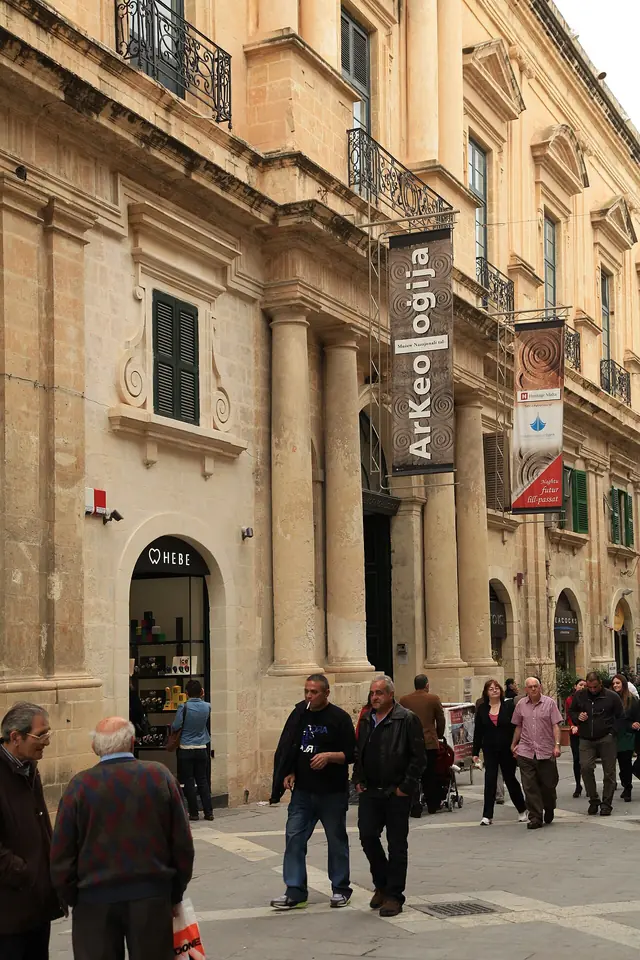
The palace is about 600 metres from the Valletta bus terminus, a gentle downhill walk along Republic Street.
By car
Parking available
Parking in Valletta is difficult during the day; the ring road or the MCP car park near the bus terminus are recommended.
Taxis can stop outside the house.
Get directionsAmenities & dining
- Café
- Restaurant
Café Effervescence and an Italian restaurant in the old kitchens; the restaurant is entered from outside the house by two small steps. The house also has a garden and a bed and breakfast.
Events & venue rental
The museum hasn’t published any information on this.
Plan your visit
| Guided tours | yes |
|---|---|
| Audio guide | yes (EN, FR, IT, ES, DE) |
| Good to know | Guided tours are usually given in clear English. The audio tour is played on the visitor’s own smartphone. Laminated translations of the texts are available in Italian, French, Spanish, German, Polish, Japanese, Romanian, Greek, Russian, Hungarian, Dutch and Portuguese, and large-print texts in English. |