The exhibition shows how wax-print fabrics, inspired by Indonesian batik and further developed mechanically by European manufacturers, became a fashion language in West Africa. It links the theme to the company Vlisco and the textile industry in Overijssel.
About the museum
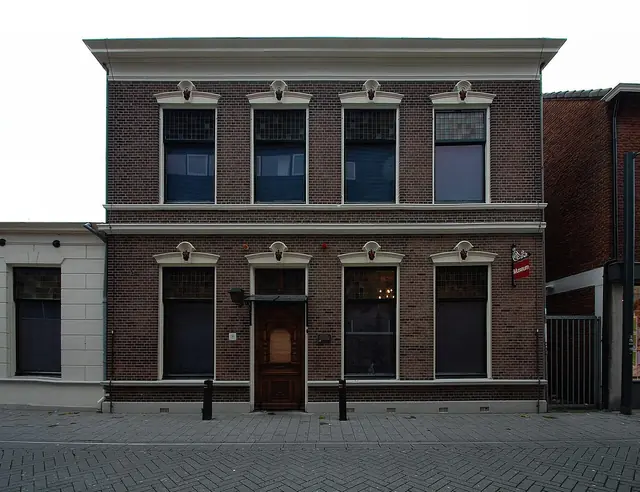
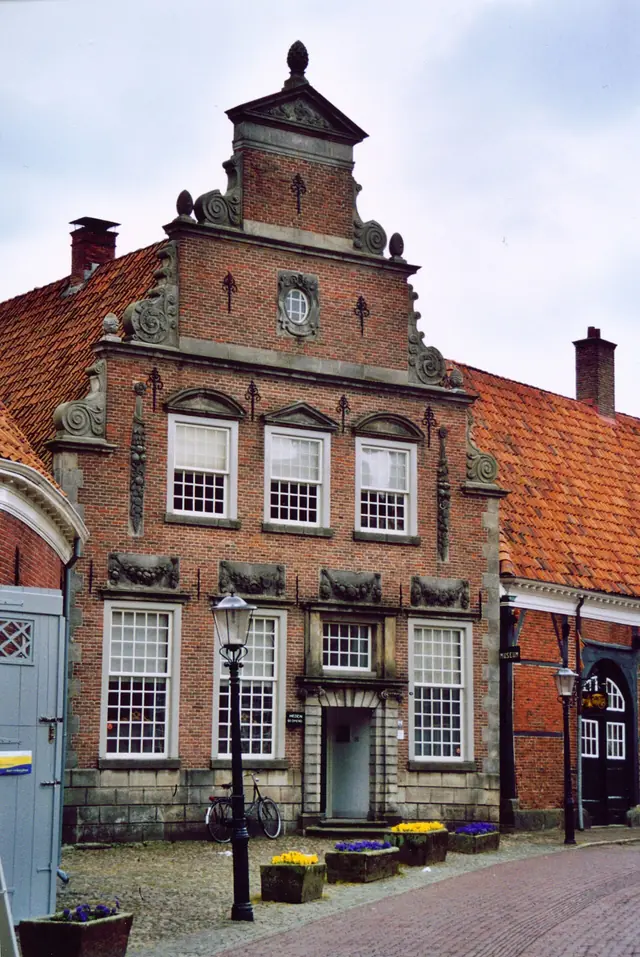
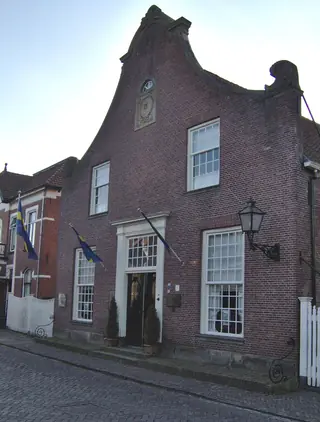
The Bussemakerhuis was built in 1655 as a residential and trading house and acquired its present form in 1779, when the linen merchant and Mennonite Jan Bussemaker had it rebuilt with his wife Trijntje Hulshoff. The striking gable with Klauwstukken bearing figures of a dolphin, a crescent moon and a pomegranate dates from his time. From here the “fabrikeur” Bussemaker supplied Twente home weavers with yarn, bought up their linen and sold it on in Holland. As an intermediary between peasant weavers and the market, he was a key figure in the beginnings of the Twente textile industry, which had its first centre in Borne around 1675.
After the last Bussemakers left the house in 1882, it was rented out for a long time. In 1959 the Stichting Bussemakerhuis was founded to save the building from demolition. The house has been open to visitors since 1993 and has been a registered museum since 2002. It is considered the only surviving linen trading house in the Netherlands that is accessible to visitors and still largely in its original condition; even the hoist used to pull the linen up to the attic can still be seen.
The permanent exhibition revolves around the themes of linen, fabrikeurs, Mennonites and the textile manufacturer Salomon Jacob Spanjaard. In addition there are two temporary exhibitions per year with topical references. The house also offers guided tours, walks through Oud Borne, weaving workshops and programmes for primary schools in Borne.
Permanent exhibition
Leinen, Fabrikeurs, Mennoniten und Spanjaard – The permanent exhibition tells how, from 1675, the linen trade in Borne became the starting point of the Twente textile industry and how a fabrikeur and the Mennonites lived.
Founded
1993
Operated by
Stichting Bussemakerhuis
Admission & discounts
Adults
€9
Children & teens
freefree up to age 12 · Children up to and including 12 years free.
Free with Museumkaart, and for Friends of the Museum and members of the Heemkundevereniging Borne.
Because of the listed-building status, thresholds and small steps have been preserved; not all rooms are accessible for wheelchairs or walkers. After prior registration (by phone), the house can be entered via the rear.
Kids & families
The museum hasn’t published any information on this.
Getting there & parking
By public transit
About a 15-minute walk from the NS station Borne; a stop of the FlexRRReis Borne is nearby.
By car
Free parking
There are only a few parking spaces in Oud Borne, but free parking is available in the immediate vicinity. In the centre of Borne there are enough spaces (parking disc required).
At events and group visits, drinks and hapjes (snacks) are served in the garden room and in the garden; bicycle charging point free of charge for visitors.
Events & venue rental
Spaces for rent
Private parties
Corporate events
Weddings / ceremonies
Up to 15 guests.
The bright garden room holds about 15 people (projector, screen, flip chart, catering on request); the garden and orchard are suitable for larger small gatherings, but not for events with amplified music. Weddings in the garden room are possible.
Guided tours of the museum are possible; in addition, the Stichting Gidsen Oud Borne offers walks through Oud Borne of about 90 minutes (bookable all year round, starting or ending at the museum). Four educational programmes for primary schools in Borne (groups 1–8). Weaving workshops on request.