Rijksmuseum De Gevangenpoort
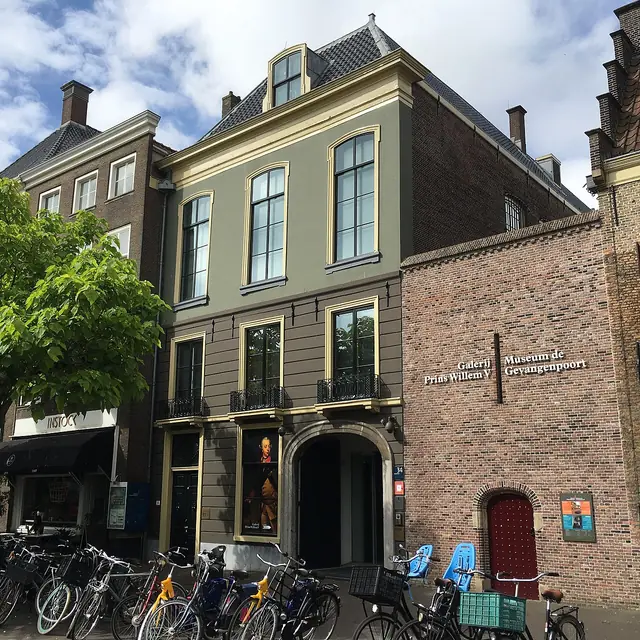
Former prison at the Binnenhof: museum of crime and punishment with cells, a torture chamber and the national collection of instruments of punishment.
Have only individual sections read aloud
About the museum
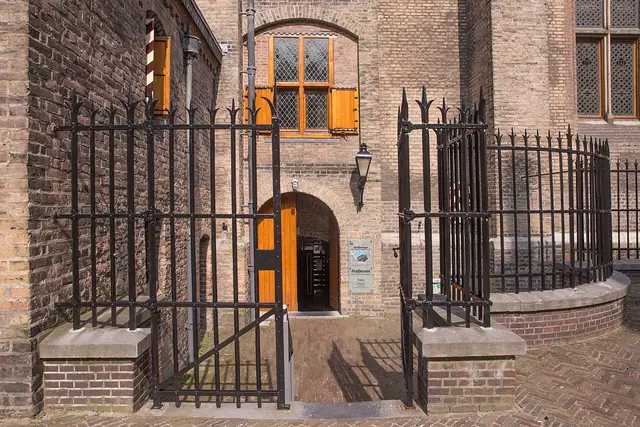
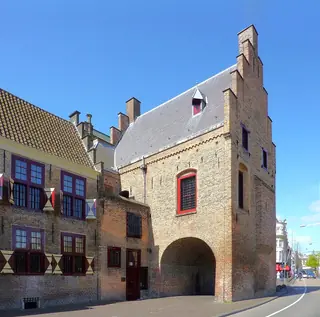
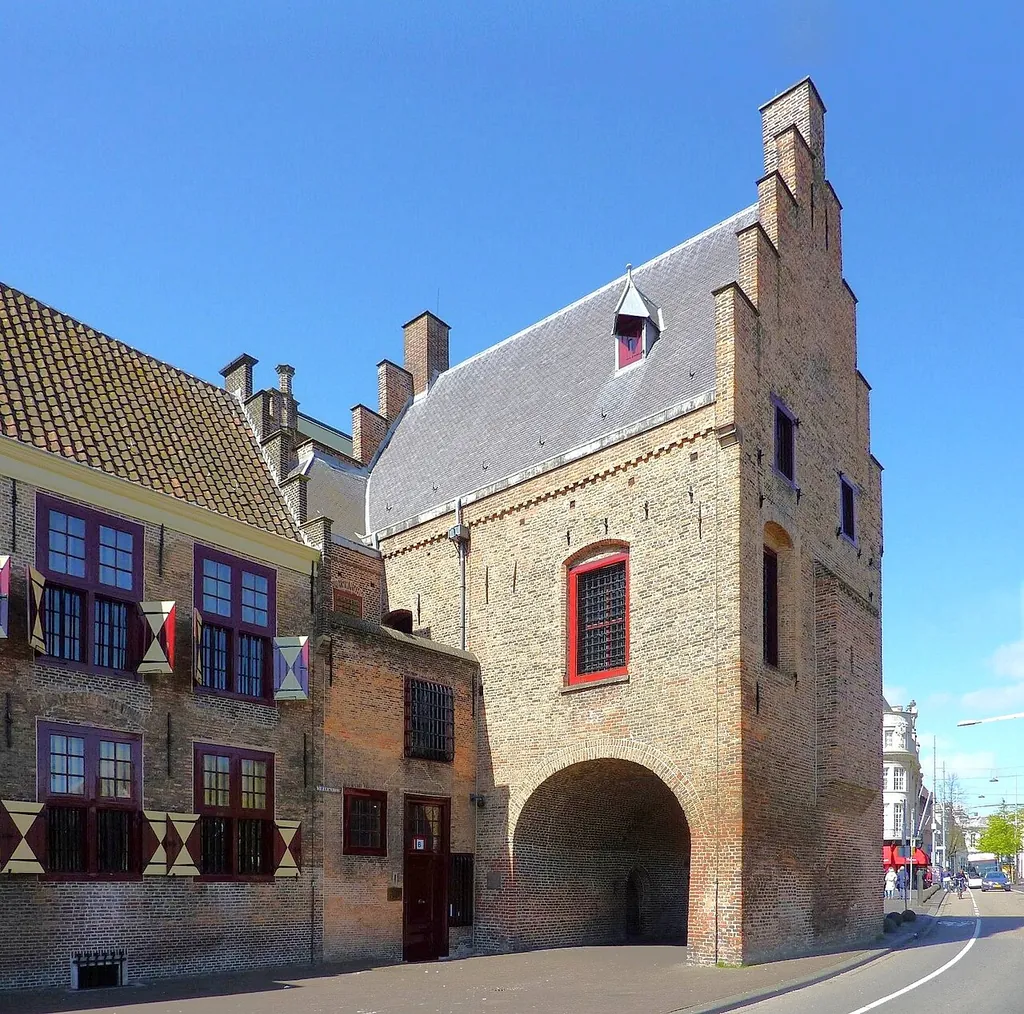
In the Middle Ages the building on the Buitenhof was the main gate to the castle of the Counts of Holland, today's Binnenhof. From 1428 it also served as a prison; later the Gajolen, the narrow cells, and a court building were added. Suspects waited here for interrogation and judgment, debtors were locked up, and confessions could be extracted in the torture chamber.
The prison function remained for four centuries. Inmates included well-known figures such as Cornelis de Witt and Dirck Volckertszoon Coornhert, who were held in the more comfortable Ridderkamer; in the disaster year of 1672, the De Witt brothers met a violent end here. After it ceased to be a prison in 1828, the building stood empty and escaped demolition twice in the 19th century, in 1853 thanks to Minister Thorbecke and in 1873 thanks to the heritage conservation pioneer Victor de Stuers.
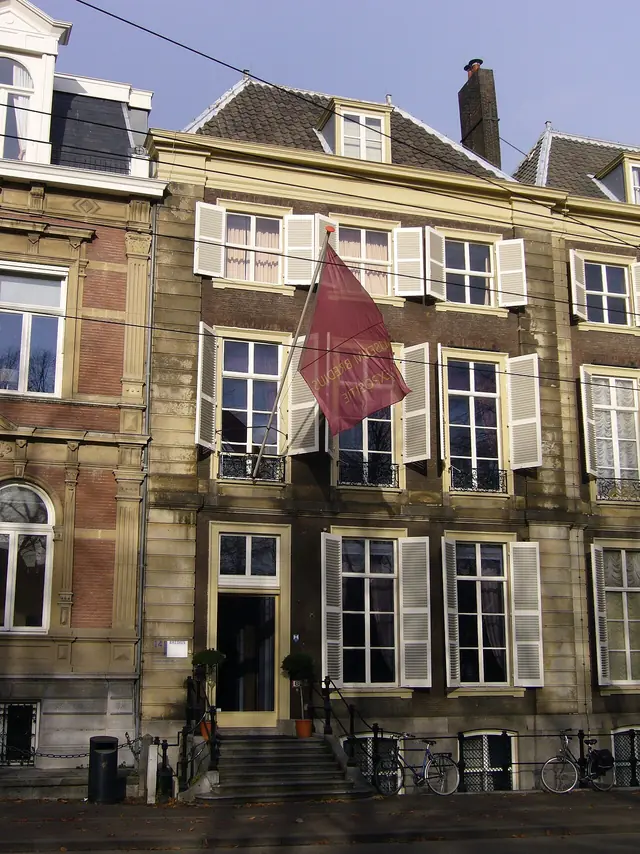
Since 1882 the Gevangenpoort has been a museum, today as a Rijksmuseum with the national collection of instruments of torture and punishment. The presentation leads through the cell block with the Gajolen, Ridderkamer and Pijnkelder as well as through the court building, and tells of the treatment of crime and punishment from the 15th to the 19th century. The museum forms one organisation together with the Haags Historisch Museum; this sister museum on the Korte Vijverberg is closed from 2024 to 2028 for renovation and extension. In 2016 Lonely Planet included the Gevangenpoort in its book "50 Museums to blow your mind".
Highlights
- Gajolen: the narrow, dark cells of the medieval prison
- Pijnkelder (torture chamber) in the cell block
- Ridderkamer, where Cornelis de Witt was held
- National collection of instruments of torture and punishment
- Court building with an audio tour and a game in which you play the judge yourself
- Daily guided tours of the cell block
Permanent exhibitions
- Cellengebouw: Gajolen, Ridderkamer und Pijnkelder – A tour of the medieval cell building: dark prison cells, the Ridderkamer for privileged prisoners and the torture chamber where confessions were extracted.
- Tentoonstelling in het Gerechtsgebouw – In the former court building, the exhibition with the national collection of instruments of torture and punishment tells of the path from suspicion through interrogation and trial to punishment.
- Founded
- 1882
- Operated by
- Stichting Haags Historisch Museum en Rijksmuseum de Gevangenpoort
- Director
- Tjeerd Vrij
Admission & discounts
| Adults | €15 |
|---|---|
| Reduced | €7.50Students (student pass/college card) as well as children and young people aged 4 to 17 |
| Children & teens | €7.50Children and young people aged 4 to 17 |
| Visitors with disabilities | –companion free · Companion free, ticket available only at the ticket desk |
| Students & apprentices | €7.50CJP holders pay €5 |
| Groups (7+ people) | –For group tours of 7 or more people, enquire beforehand (info@gevangenpoort.nl, +31 70 346 08 61); no group bookings on Sundays and public holidays |
| Guided tour of the cell block (plus admission) | €5Duration approx. 45 minutes |
Free with Museumkaart, Rembrandtkaart, ICOM card, Ooievaarspas, Rotterdampas and VriendenLoterij VIP card (one person per card). Online ticket with time slot recommended, especially at weekends and during school holidays; tickets are also available at the ticket desk as long as the time slot is not sold out. The audio guide is free. Card payment only (no American Express), no cash.
Accessibility
- Wheelchair accessible: not available
- Elevator: no information
- Accessible restroom
- Accessible parking: no information
- Service dogs welcome
- Tactile models & exhibits
- Sign language tours: no information
- Easy-to-read materials: no information
- Audio description: no information
Historic building with many narrow stairs, thresholds and uneven floors; not suitable for wheelchairs, rollators and prams. Gloves for touching certain objects are lent out. Assistance dogs with harness are allowed.
Kids & families
Only partly suitable for kidsRecommended for ages 8+
| Time needed | approx. 60 min |
|---|
- Family tours & workshops
- Activity booklet, scavenger hunt or kids’ audio guide
- Hands-on stations
- Stroller-friendly: not available
According to the museum, it is less suitable for children under 8. Children's audio tour through the court building, puzzle trail for the cell block (at the ticket desk), and things to try such as a heavy foot block and thumbscrews, as well as a game in which you play the judge. During the holidays there are family tours for ages 8 and up (€5 plus admission).
Getting there & parking
By public transit
Buitenhof
About a 10-minute walk from Den Haag Centraal station. Tram 1 from Hollands Spoor (stop Centrum or Kneuterdijk), tram 15 or 17 from Centraal (stop Buitenhof) and bus lines 22, 24 and 28.
By car
Paid parking
Car parks Noordeinde (Heulstraat), Plein and Museumkwartier within walking distance; parking is paid everywhere in the centre of The Hague.
By car, follow the signs "Den Haag Centrum (noord)". Guarded bicycle parking around the corner on the Buitenhof. Coaches can drop off in front of the door; coach parking at the Prinsessegracht.
Get directionsAmenities & dining
- Restaurant: not available
- Coat check
- Lockers
- Wi-Fi
No restaurant in the building, catering right next door. Free, unattended cloakroom and lockers; bags, backpacks and umbrellas may not be taken into the exhibition. Free Wi-Fi at the entrance and in the courtyard. Museumkaart and Museumkaart junior are available at the ticket desk.
Events & venue rental
The museum hasn’t published any information on this.
Plan your visit
| Guided tours | yes · approx. 45 min |
|---|---|
| Audio guide | yes (NL, EN, DE) |
| School programs | yes |
| Photography | Photography without flash, tripod and selfie stick is allowed for personal use; press please register beforehand. |
| Good to know | 1 to 1.5 hours are recommended. Tours of the cell block daily at 1 and 2 pm in Dutch, on Saturdays and Sundays at 12 noon in English; book online (reservation by email or phone is not possible), and the rest of the museum can be visited before or after. Free audio tour in Dutch, German and English, children's audio tour for the court building. |