Marking the anniversary of the Limburg agricultural and horticultural association, the exhibition shows how cooperatives transformed rural Limburg after the agricultural crisis around 1890 – also against the backdrop of the Catholic milieu.
Contribution to the 2025–2026 annual theme of freedom of the Rhine-Meuse museum network: the asparagus hall explores abundance and freedom of choice in food, as well as health, sustainability and world hunger.
About the museum
De Locht has its roots in the Stichting Geschiedenis Melderslo, which had researched local history and organized exhibitions since 1979. A 1987 display of old tools and farm implements in the village school's gym gave rise to the idea of turning it into a permanent museum. With support from the municipality and a cultural fund, the Gubbels family's farm on Koppertweg was acquired.
In the course of 1989, volunteers restored the farmhouse in thousands of hours of unpaid work; in November of the same year, the foundation Streekboerderijmuseum De Locht was established. On April 20, 1990, the museum opened its doors as a regional farm museum.
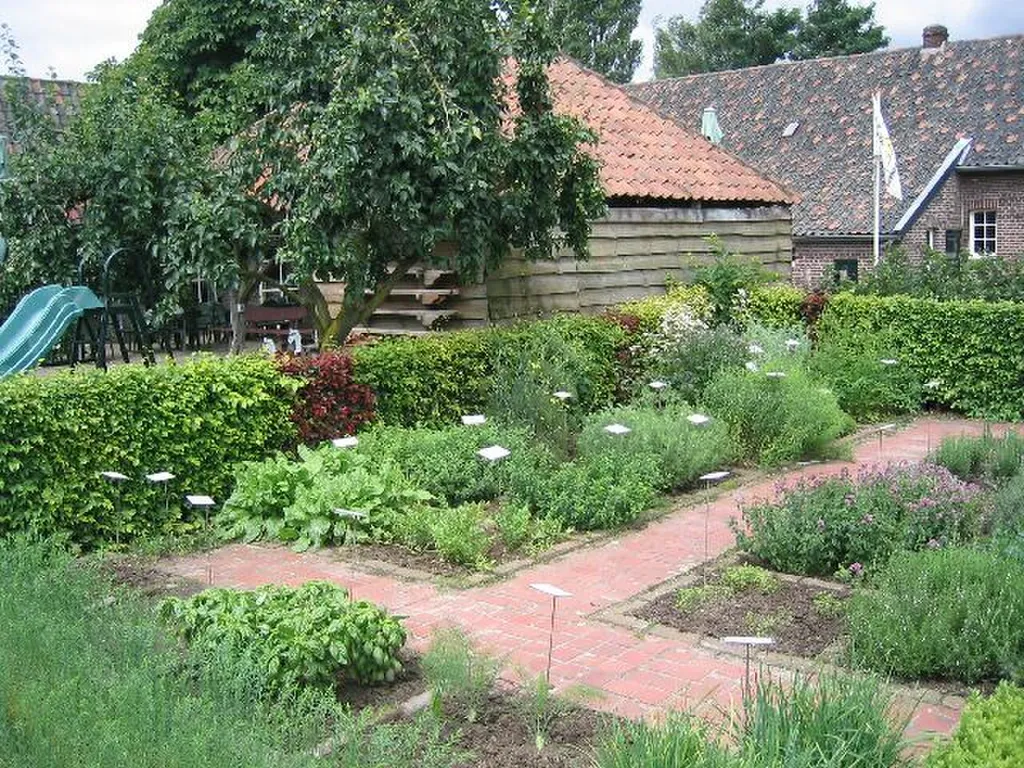
Since then the site has grown into a small museum village that is still run entirely by volunteers – now more than 250 people from the region. On view are a long-gable farmhouse from 1859 with furnishings from 1860 to 1950, a medieval farm, a chapel, a village school, a butter factory, a blacksmith's shop, a print shop and a syrup kitchen, as well as a bakehouse where bread is baked for the restaurant. One focus is horticulture in North Limburg: greenhouses, a mushroom pavilion and an asparagus and auction building explain how button mushrooms, tomatoes and asparagus are grown and marketed. Historic kitchen and ornamental gardens from different eras surround the buildings.
Highlights
Long-gable farmhouse from 1859 with living quarters from the period 1860 to 1950
Medieval farm, with costumed interpreters on Wednesdays in summer
Asparagus and auction building, mushroom pavilion and greenhouse on horticulture in North Limburg
Craftsmen's lane with blacksmith's shop, print shop, syrup kitchen and butter factory
Chapel with concerts in spring and fall
Historic gardens, from the medieval vegetable plot to a 1970s garden
Permanent exhibitions
Kreatief, krities en kleurrijk: welkom in de jaren 70! – Furnished rooms show how the 1970s, with mopeds, youth clubs, colorful interiors and new fashions, also changed village life in North Limburg.
Textieltentoonstelling – 20th-century clothing in the textile pavilion, currently with a display window on 1970s fashion.
Founded
1990
Director
Roel Baas und Hay Janssen (Directieteam)
Admission & discounts
Adults
€12.50
Children & teens
€6.25free up to age 6 · Children up to and including age 6 free; young people aged 7 to 18 €6.25.
Groups (10+ people)
–Reduced rates for 10 or more people; register ideally one month in advance. Combination package with Museum De Kantfabriek (Horst) incl. guided tours and lunch €42.70 per person.
Families
€35Family ticket for a maximum of 2 adults and 3 children.
Annual pass, adult
€30Includes a 10% discount in the restaurant and museum shop.
Annual pass with partner
€45
Annual pass, family
€70Two adults and up to three children.
Chapel concert (Sunday 14:30–16:30)
€13.50Available online only; includes museum admission.
Package for blind and visually impaired visitors (2 people)
€25Visitor with a visual impairment plus companion, themed tour, coffee and vlaai (Limburg fruit tart); introductory price for 2026, Tue, Thu, Fri and Sat by reservation.
Free with the Museumkaart and with the De Locht annual pass. The museum is an official Museumkaart sales point. No further discounts or museum cards apply to packages. Card payment (PIN) preferred at the desk.
Accessibility
Wheelchair accessible
Elevator
Accessible restroom
Accessible parking
Service dogs welcome
Tactile models & exhibits
Sign language tours: no information
Easy-to-read materials: no information
Audio description: no information
The entire museum village is wheelchair-accessible; an elevator in the long-gable farmhouse provides access to the upper floor, and there are accessible restrooms in two locations. Three loaner wheelchairs and a rollator are available at the entrance. For blind and visually impaired guests, there is a tactile 3D model at the entrance, a map and information booklet in Braille, a booklet for companions and trained guides. In 2025, De Locht was voted the most accessible place in the municipality of Horst aan de Maas.
Kids & families
Great for kids & families
Kids’ admission
free up to age 6
Family ticket
€35 · Family ticket for a maximum of 2 adults and 3 children.
Family tours & workshops
Activity booklet, scavenger hunt or kids’ audio guide
Hands-on stations
Stroller-friendly
Playground / play area
The village children Sefke and Doortje accompany young visitors. The children's paradise has a dress-up box, old school desks, historic games and a mini fair made of recycled materials; outside, there's an inclusive playground. From April to October, the medieval farm is often inhabited on Wednesdays by costumed residents with whom children can, for example, dip candles or write with a goose quill. Children under 12 only when accompanied by an adult.
Getting there & parking
By car
Free parking
Free parking lot to the left of the museum with accessible parking spaces; designated spaces for tour buses.
Accessible parking
The signposted "De Locht" cycling route (33 km) through the surrounding area starts at the museum.
Village restaurant De Hoeve with a small menu (pancakes, soup with bread baked in the bakehouse, Limburg vlaai); lunch for groups on request. Museum shop with regional products and an online shop. Free lockers at the entrance, free Wi-Fi.
Events & venue rental
Groups can request a meeting room when booking; the museum does not offer a dedicated rental page.
Plan your visit
Guided tours
yes
School programs
yes
Photography
Photography and filming for private purposes permitted, without flash and without a tripod.
Good to know
Three signposted museum routes ("Ons Dorp," "Door het groen," "Boerenroute"). Book guided tours for groups in advance; puzzle games ("Mysteries") for groups are also available. Five school projects for primary schools, participation in the "Reizen in de tijd" program. Dogs allowed on a leash.