Photography, video, and a sound installation about lichens as a partnership of fungus and alga – the result of a collaboration between an artist and an ecologist.
Mandy den Elzen presents 80 plant species from the Begijnhof garden in Breda with their active substances and historical uses.
About the museum
The museum grew out of a society founded in 1927, whose intellectual father is considered to be Gerrit van Roon. The rapidly growing collection of birds, mammals, insects, shells, and fossils moved from the attic of a girls' school on the Schiedamsesingel via the Dirk Smitsstraat to a villa on the Mathenesserlaan.
In 1959 the museum had to relocate to a bank building on the Kastanjesingel, where it led an obscure existence; in the 1970s it effectively became a department of the Diergaarde Blijdorp zoo. In the mid-1980s the society, the city, and the business community set up a dedicated foundation, which in 1987 was given Villa Dijkzigt in the Museumpark. The Natuurmuseum Rotterdam opened there in 1988.
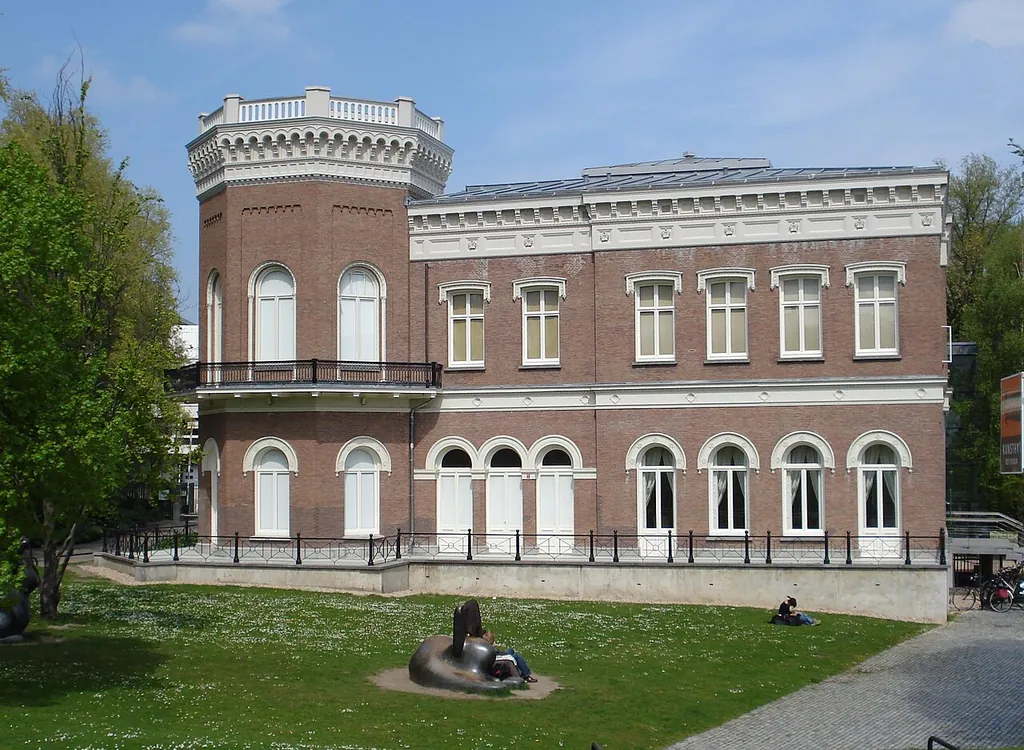
The Neoclassical villa was built in 1851/52 by J. F. Metzelaar for the Van Hoboken shipping family; today it is a Rijksmonument (national heritage site). A glass pavilion was added in 1995, and in 1996 the building was thoroughly renovated. Since 2006 the museum has once again been called the Natuurhistorisch Museum Rotterdam.
In addition to classic natural history, the museum conducts research on fossil whales from the Westerschelde and on urban ecology. It is known for specimens of animals that died in encounters with humans – such as the “Dominomus,” a sparrow that knocked over dominoes in an exhibition hall, or the McFlurry hedgehog.
Highlights
Skeleton of the sperm whale stranded near Scheveningen in 1995
Display “Dode Dieren met een Verhaal” with the domino sparrow and the McFlurry hedgehog
Whale fossils from the Westerschelde and a skull model of a giant raptorial sperm whale
Skeleton of Ramon the elephant
Exhibition Nationaal Park Rotterdam on nature in the port city
Permanent exhibitions
Dode Dieren met een Verhaal – About ten animals that died in encounters with humans – from the domino sparrow to the milkshake hedgehog – in a changing selection.
Oerwalvissen – Fossil whale and dolphin skulls from the Westerschelde, a skull model of the giant raptorial sperm whale from Peru, and the skeleton of the Scheveningen sperm whale.
Nationaal Park Rotterdam – Rotterdam's urban and port nature with typical animal and plant species and tips on how to support them.
Founded
1927
Operated by
Stichting Natuurhistorisch Museum Rotterdam
Director
Meike Moors
Visitors per year
approx. 67,434 (2025)
Admission & discounts
Adults
€13.50
Reduced
€7.50Children ages 4–18, students, CJP
Children & teens
€7.50free up to age 3 · Ages 4 through 18: €7.50; up to age 3 free
Visitors with disabilities
–companion free · Companions of visitors who cannot move around the museum independently are admitted free
Students & apprentices
€7.50
Groups (16+ people)
€10 per personper person for groups of more than 15 people; groups of 10 or more must reserve
Free admission:Free admission every first Wednesday of the month from 13:00 (not for groups)
Free with the Museumkaart, Rotterdampas, Dordtpas, and ICOM card – these free tickets are only available at the museum ticket desk. Friends of the museum free; patients of Rijndam Revalidatie and the Sophia Kinderziekenhuis also free.
Accessibility
Wheelchair accessible
Elevator
Accessible restroom
Accessible parking
Service dogs welcome
Tactile models & exhibits
Sign language tours
Easy-to-read materials: no information
Audio description
Elevator for one mobility aid at a time (90 × 140 cm); one loaner wheelchair (reserve in advance); folding stools on every floor. Wheelchair-accessible restroom with baby changing facilities outside the exhibition rooms (ask at the ticket desk). Audio tour also suitable for blind visitors, tactile floor plan at the ticket desk, touch objects with cane holders, but no guidance lines. Video tour in Nederlandse Gebarentaal (Dutch Sign Language) via QR code and occasional tours with a deaf guide. Low-stimulus visits can be booked; certified “Dementievriendelijk” (dementia-friendly). Two accessible parking spaces below on the Westzeedijk. Emergency exits via stairs only.
Kids & families
Great for kids & families
Kids’ admission
free up to age 3
Family tours & workshops
Activity booklet, scavenger hunt or kids’ audio guide
Hands-on stations
Baby changing facilities
Kids’ birthday parties
Permanent search games for children up to age 6 and ages 6 and up, children's audio tour for ages 7 and up, explorer boxes; themed rallies and workshops often offered during school holidays. Monthly nature consultation hour for your own finds. Children's birthday parties for ages 4–6 and ages 7 and up; visits with after-school care groups by registration.
Getting there & parking
By public transit
Kievitslaan · 1-min walk
Tram 8 (toward Spangen) to Kievitslaan, 1-minute walk. From Rotterdam Centraal station approx. 20 minutes on foot along the Westersingel.
By car
No on-site parking at the museum.
No museum parking; parking is prohibited on the forecourt. The recommended option is the Museumpark parking garage (GPS: Museumpark 32), a 2-minute walk away; alternatively APCOA Scheepvaartkwartier, an 8-minute walk.
Accessible parking
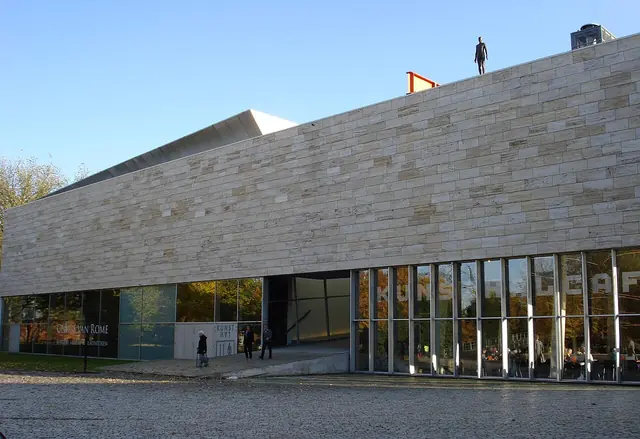
Drop-off directly at the museum is possible – drive underneath the Kunsthal parallel to the Westzeedijk. Free urban nature route via the Roods app from the central station to the museum.
Museum shop in the entrance hall, accessible without a ticket during opening hours. For coffee, the website points to nearby cafés such as the Kunsthal Café.
Events & venue rental
Spaces for rent
Corporate events
Salon of Villa Dijkzigt with a stucco ceiling from 1852 and a grand staircase, suitable for meetings and lectures.
Free audio tour on biodiversity and evolution (a good half hour of listening time) with touch and smell stations; children's version for ages 7 and up. Free open guided tour every Saturday at 13:30 (approx. 45 min.). Group tours for up to 15 people €85 (approx. 50 min.), with a curator or urban ecologist €165, plus admission in each case. Groups of 10 or more reserve via frontoffice@hetnatuurhistorisch.nl.