Muzeum Azji i Pacyfiku im. Andrzeja Wawrzyniaka
The only museum in Poland devoted to the cultures of Asia, Oceania and Australia, with the Strefa Dźwięków (Sound Zone) and the exhibition “Podróże na Wschód” (Journeys to the East).
Have only individual sections read aloud
About the museum
The museum owes its beginnings to Andrzej Wawrzyniak, a Polish diplomat who worked in Indonesia from 1961 to 1971 and assembled there a collection of art and crafts: weapons, masks, textiles, sculptures, paintings, everyday objects and theatre puppets. After returning to Warsaw he handed the collection over to the state, and on 26 February 1973 the Muzeum Archipelagu Nusantara (Nusantara Archipelago Museum) was established, which Wawrzyniak directed until 2013. After a few years the name was changed to Muzeum Azji i Pacyfiku (Museum of Asia and the Pacific), and the scope of the collections was extended from Indonesia to the whole of Asia and Oceania.
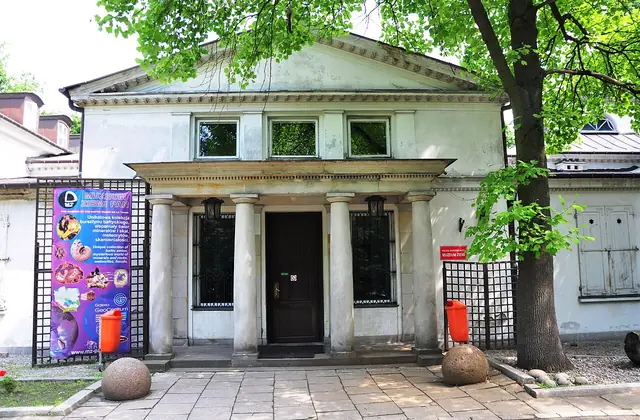
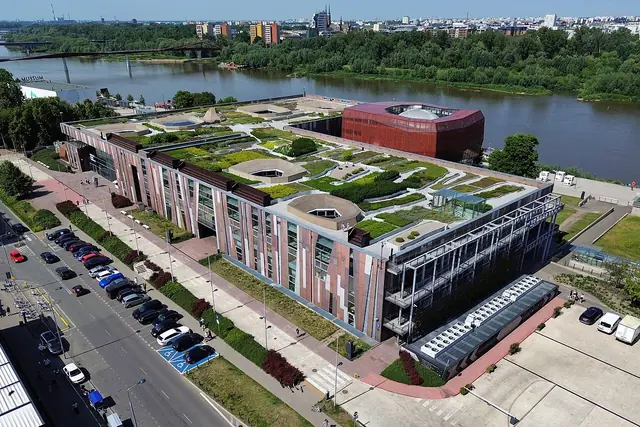
For decades the museum also ran galleries in other parts of the city, and its storage and offices have been at ul. Solec 24 since 1983. In 2013 the institution concentrated in its extended premises at Solec 24, in neoclassical buildings from 1854 combined with new architecture. In 2017 the museum officially adopted the name of its founder.
Today it is the only museum in Poland devoted exclusively to the cultures of Asia, Oceania and Australia. Its first permanent exhibition, opened in 2016, is the Strefa Dźwięków with musical instruments from all over Asia and Oceania. The second, from 2022, is “Podróże na Wschód”, which presents objects from Arab countries, Iran, Central Asia, Mongolia and Indonesia. The museum also runs an Asian library and organises events and lessons.
Highlights
- Strefa Dźwięków (Sound Zone) – about 120 musical instruments from Asia and Oceania
- The exhibition “Podróże na Wschód” (Journeys to the East) with about 900 objects
- Collection of textiles, masks and wayang shadow-puppet figures from Indonesia
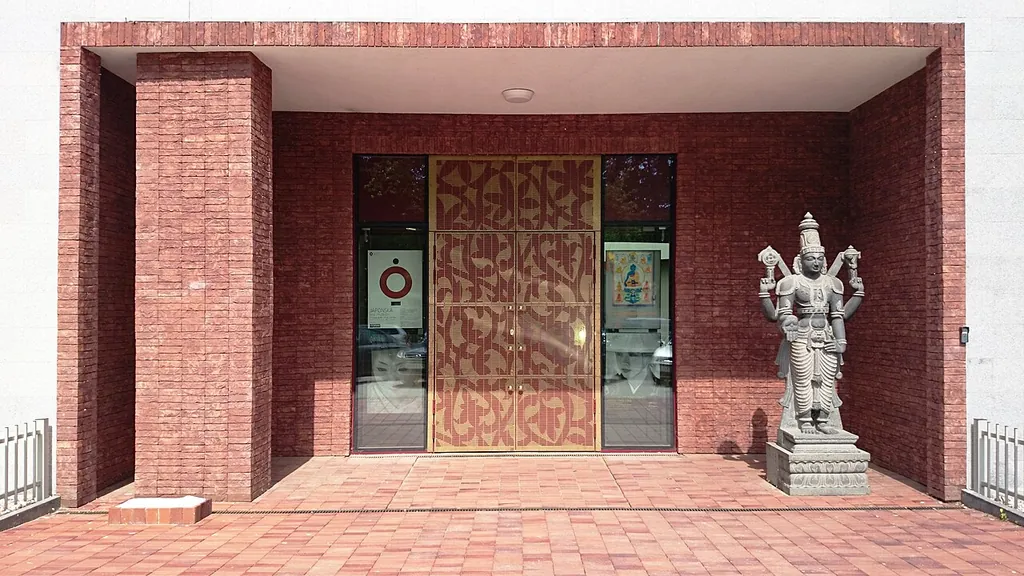
- Tibetan and Buddhist art: thangkas and sculptures
- Historic buildings from 1854 in Warsaw’s Powiśle district
Permanent exhibitions
- Strefa Dźwięków – The museum’s first permanent exhibition (opened in 2016): about 120 musical instruments from all over Asia and Oceania, from simple drums to richly decorated court instruments.
- Podróże na Wschód – The second permanent exhibition (from 2022), with almost 900 objects from Arab countries, Iran, Central Asia, Mongolia and Indonesia.
- Founded
- 1973
Admission & discounts
| Adults | 20 zł |
|---|---|
| Reduced | 12 zł |
| Children & teens | freefree up to age 6 · Children under 7 enter free of charge. |
| Visitors with disabilities | freePeople with disabilities enter free of charge. |
Free admission: On Thursdays admission is free.
Members of ICOM and teachers also enter free of charge. Tickets can be reserved online.
Accessibility
- Wheelchair accessible
- Elevator: not available
- Accessible restroom: no information
- Accessible parking: no information
- Service dogs welcome: no information
- Tactile models & exhibits: no information
- Sign language tours: no information
- Easy-to-read materials: no information
- Audio description: no information
According to the city’s portal, the museum is accessible for wheelchair users and for people with pushchairs. The exhibitions are on one level, and there is no lift.
Kids & families
Great for kids & familiesRecommended for ages 5+
| Kids’ admission | free up to age 6 |
|---|
- Hands-on stations
- Stroller-friendly
The exhibitions have interactive elements; the recommended age is about 5 years and up. Children under 7 enter free of charge.
Getting there & parking
By public transit
Solec · 3-min walk
Trams 7, 8, 9, 22, 24 and 25 (Most Poniatowskiego stop, approx. 5–7 minutes on foot); buses 118, 127 and 166 (Solec stop, 2–3 minutes on foot) and 111, 117, 158 and 185 (Most Poniatowskiego). The nearest metro station is M2 Centrum Nauki Kopernik, approx. 10 minutes on foot.
The museum is located in Powiśle, a few minutes from the Vistula.
Get directionsAmenities & dining
- Café
On site there is the Kumo café, serving Japanese snacks, matcha and tea.
Events & venue rental
The museum hasn’t published any information on this.
Plan your visit
| School programs | yes |
|---|---|
| Good to know | The museum organises museum lessons and events. A visit usually takes approx. 60–90 minutes. |