Pharmaziemuseum Universität Basel
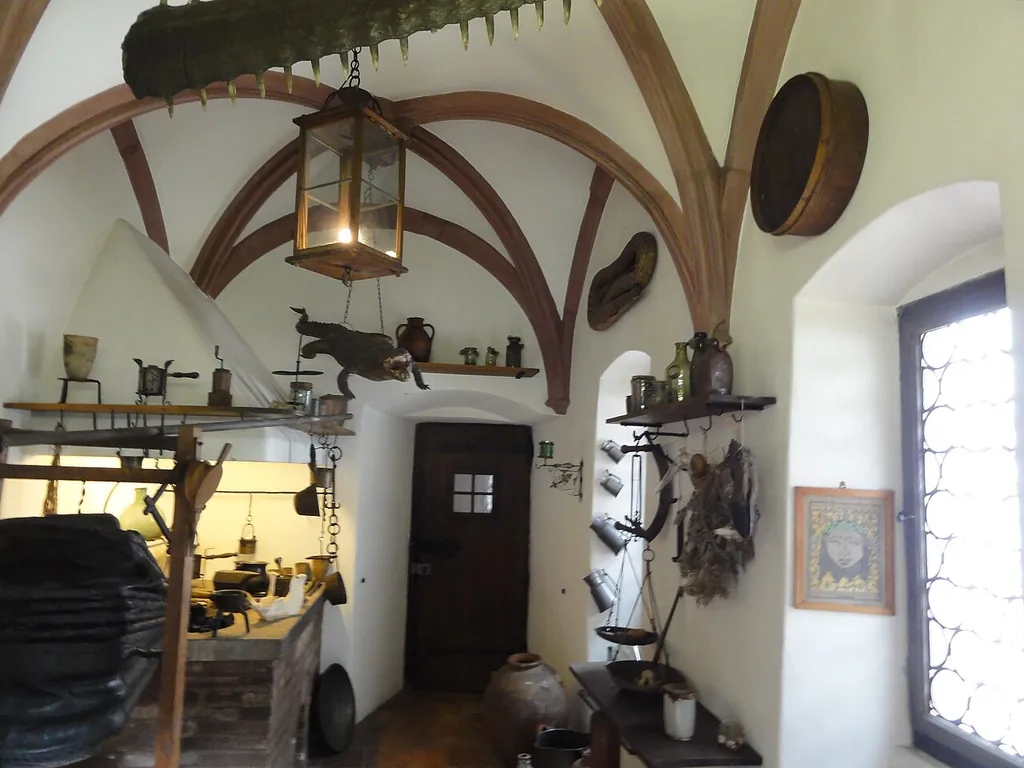
One of the largest collections on the history of pharmacy in the historic house “Zum Sessel” in Basel's old town, with an alchemist's laboratory and apothecary ceramics.
No sound? Check your device’s silent switch.
Have only individual sections read aloud
About the museum
The museum goes back to the private collection of the pharmacist and lecturer Josef Anton Häfliger (1873–1954). In 1925 he handed over his apothecary vessels, obsolete medicines, prescriptions, woodcuts, pictures and books to the University of Basel. Heinrich Zörnig, director of the pharmaceutical institute founded in 1917, made several rooms available, and from then on the objects served as teaching aids for the history of pharmacy and the preparation of medicines – at a time when pharmacy as a whole was undergoing profound change.
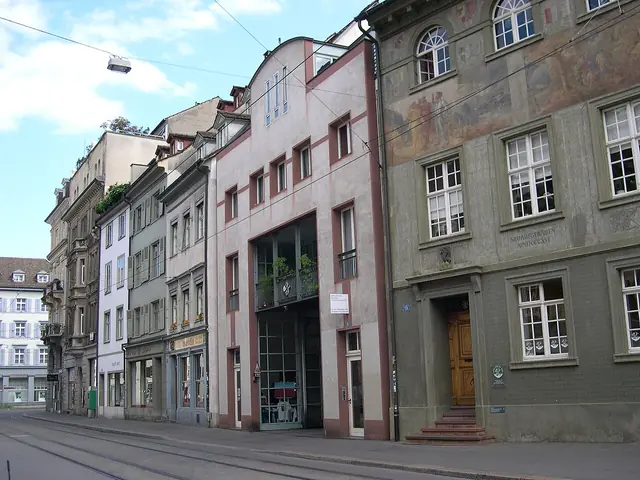
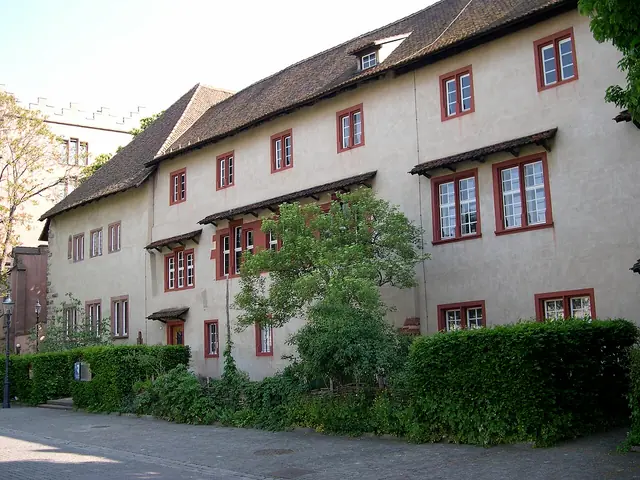
Since 1924 the museum has been housed in the building “Zum Sessel” (also “Zum Vorderen Sessel”) between Marktplatz and Peterskirche. The building is first mentioned in 1316 as the bathhouse “Unter Krämern”. From 1480 the printer Johannes Amerbach lived here, and in 1507 Johannes Froben took over the house. Erasmus of Rotterdam lived and worked here from 1514 to 1516, Hans Holbein and Urs Graf also worked here as illustrators, and in 1526/27 Froben's family doctor Paracelsus worked in the house.
Today the Pharmacy Museum belongs to the Department of Pharmaceutical Sciences of the University of Basel and operates as a university museum at the interface of research and the public. The focal points of the collection include historical pharmacies, old medicines, laboratory equipment, an alchemist's laboratory, microscopes and a famous collection of apothecary ceramics from the 15th to 19th centuries. The museum shop is furnished with the fittings of an old Basel pharmacy; in 2025 the museum celebrated its hundredth anniversary.
Highlights
- One of the largest collections on the history of pharmacy in the world
- Historic house “Zum Sessel” with connections to Erasmus of Rotterdam, Holbein and Paracelsus
- Alchemist's laboratory and apothecary ceramics of the 15th to 19th centuries
- Museum shop in the furnishings of the old Barfüsser pharmacy
- One ticket is also valid for the Anatomical Museum
Permanent exhibition
- Dauerausstellung zur Geschichte der Heilmittel – The permanent exhibition presents the history of remedies and their production, with historical pharmacies, laboratory equipment, an alchemist's laboratory and apothecary ceramics.
- Founded
- 1925
- Operated by
- Universität Basel (Departement Pharmazeutische Wissenschaften)
- Director
- Dr. Philippe Wanner
Admission & discounts
| Adults | CHF 10 |
|---|---|
| Reduced | CHF 7Students up to age 25 as well as school pupils up to age 19 |
| Children & teens | CHF 7free up to age 11 · Children up to 11 have free admission; school pupils up to age 19 pay CHF 7. |
| Seniors | –AHV and IV recipients pay the regular price. |
| Students & apprentices | CHF 7Students up to age 25; from age 26 the regular price applies. |
| Combined ticket with the Anatomical Museum Basel | CHF 10One ticket entitles the holder to admission to both university museums, valid on the same or the next opening day. |
Free admission: Happy Day: free admission on the first Saturday of every month.
Members of the University of Basel, media professionals with a press card, and refugees and asylum seekers (permit N, F, B or S) have free admission.
Accessibility
- Wheelchair accessible: not available
- Elevator: not available
- Accessible restroom: not available
- Accessible parking: not available
- Service dogs welcome
- Tactile models & exhibits: no information
- Sign language tours: no information
- Easy-to-read materials: no information
- Audio description: no information
The entrance can only be reached via a staircase, and the permanent exhibition only via stairs without a stairlift. After prior registration by telephone, the special exhibition is accessible without steps via a side entrance. There is neither an accessible toilet nor disabled parking. Official assistance dogs are allowed, other dogs are not. The lighting in the small, easy-to-navigate rooms is mostly good.
Kids & families
The museum hasn’t published any information on this.
Getting there & parking
By public transit
Marktplatz · 140 m
From Marktplatz (tram 6, 8, 11, 14, 15, 16, 17), Totengässlein leads to the Peterskirche; after about 100 m you reach the entrance to the museum's inner courtyard.
By car
The museum recommends the Storchenparking or the Parkhaus City/Universitätsspital car park; no car park of its own.
- Accessible parking: not available
The museum entrance is located behind the inner courtyard of the building.
Get directionsAmenities & dining
- Museum shop
- Coat check
The museum shop in the historic furnishings of the old Barfüsser pharmacy (free admission) stocks its own tea blends, herbs, sweets, apothecary vessels, soaps and museum publications; gift vouchers are available. Bags, coats, jackets and umbrellas are left in the cloakroom.
Events & venue rental
- Spaces for rent
- Private parties
Tours or events for private groups with aperitif and catering in a historic atmosphere; information by telephone Tuesday–Friday 10 a.m.–5 p.m.
Inquiries & detailsPlan your visit
| Guided tours | yes |
|---|---|
| School programs | yes |
| Photography | Photography and filming without flash, tripod and selfie stick is allowed for editorial and non-commercial purposes; if published, the museum must be credited as the source; for commercial use, ask beforehand. |
| Good to know | Public tour on the first Sunday of every month at 2 p.m. with a changing theme. Private tours and workshops for groups on request (contact form, at least four weeks in advance); for school classes there is a general tour and the “Hand Cream” workshop in the laboratory. Eating and drinking are not permitted anywhere in the museum, and the rooms are in places very narrow. |