Bancroft Mill Engine Museum
Volunteer-run museum in Barnoldswick with Lancashire's largest working mill steam engine, a second engine and cotton weaving looms.
Have only individual sections read aloud
About the museum
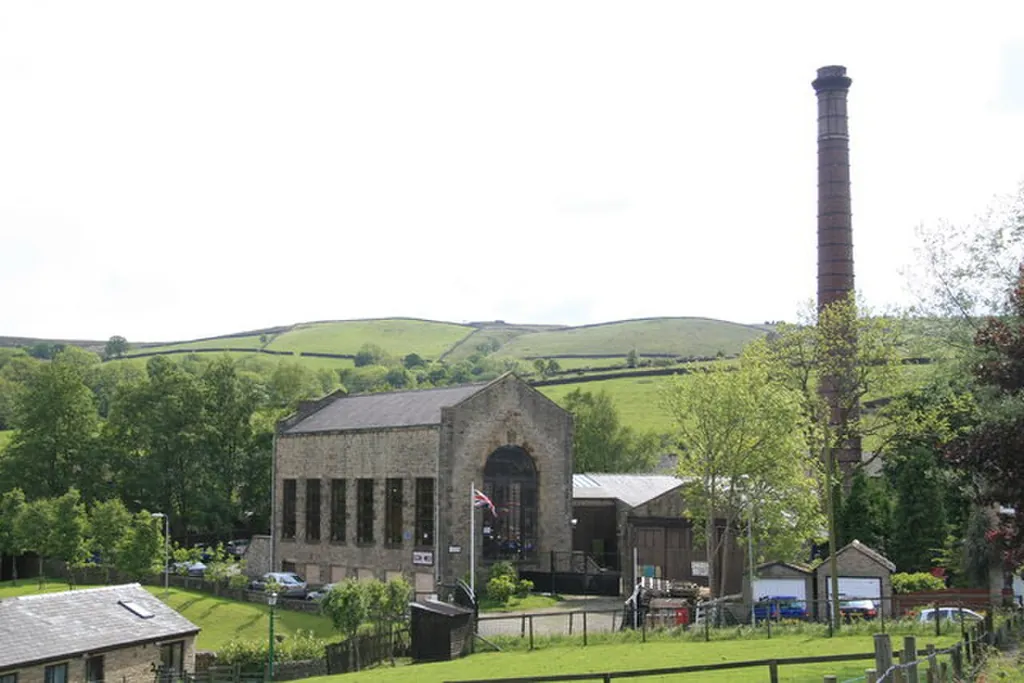
Bancroft Shed was a cotton weaving mill planned by James Nutter, a local man who began work in a shoddy mill at the age of eight and by 1914 ran 900 looms in rented space. He died in 1914, just as building began, and the First World War halted work. The shed was finished in 1920 and was the thirteenth and last mill built in Barnoldswick.
In the 1930s about 450 people worked there, running 1,200 looms and weaving calico cloth, and the mill kept working through the Second World War. As the cotton industry declined, the weaving shed closed in 1978 and the main shed was demolished to make way for housing. Local enthusiasts saved the engine and the steam plant.
The museum now keeps a link to the town's cotton heritage by preserving and demonstrating the mill's 600 horsepower cross-compound engine, built by William Roberts and Sons of Nelson in 1920. A second engine, a Smith and Eastwood tandem compound from a mill at Low Bradley, was moved here in pieces and rebuilt by volunteers, and ran again in 2017. Visitors also see a Lancashire boiler, a Cornish boiler, working looms that weave souvenir tea towels, and a collection of weaving artefacts.
Highlights
- Largest working mill steam engine in Lancashire
- Second engine from Bradley, rebuilt by volunteers
- Working looms weaving souvenir tea towels
- Cornish and Lancashire boilers
- Tea room and free on-site parking
Permanent exhibition
- Engines, boilers and looms – A 600 horsepower cross-compound mill engine, a rebuilt tandem compound engine, two boilers and working looms that weave tea towels and calico.
- Operated by
- Bancroft Mill Engine Museum (charitable incorporated organisation no. 1181038)
Admission & discounts
| Adults | £8 |
|---|---|
| Reduced | £7Over 60s, visitors with disabilities and students |
| Children & teens | £3free up to age 5 · Ages 6 to 14 on Steaming Days. Under 6s are free. |
| Seniors | £7Over 60s. |
| Students & apprentices | £7 |
| Families | £18Two adults and up to four children, on Steaming Days. |
| Saturday open day | £5Flat charge; under 15s are free. The engines do not run. |
Prices are for Steaming Days; adult tickets are for ages over 14. No booking is needed and cards and cash are accepted. Members can visit the remaining Steaming Days of the year free of charge.
Accessibility
- Partially wheelchair accessible
- Elevator: no information
- Accessible restroom
- Accessible parking
- Service dogs welcome: no information
- Tactile models & exhibits: no information
- Sign language tours: no information
- Easy-to-read materials: no information
- Audio description: no information
Most of the site is accessible by wheelchair, and the cafe, main engine house and looms are on one level. Two Blue Badge spaces are by the entrance, and an accessible toilet with a baby-changing table is reached from outside the cafe. The Bradley engine shed and the Cornish boiler viewing platform have steps, with alternative access arranged by a volunteer. The site is noisy when the engines and looms run; Saturday open days are quieter.
Kids & families
Great for kids & families
| Kids’ admission | free up to age 5 |
|---|---|
| Family ticket | £18 · Two adults and up to four children, on Steaming Days. |
Children aged 6 to 14 pay a reduced price on Steaming Days and under 6s are free. Visitors describe it as suited to children interested in steam and engineering.
Getting there & parking
By car
Free parking
Free on-site parking.
- Accessible parking
Barnoldswick is 11 miles north of Burnley and 9 miles west of Skipton. Sat-nav postcode BB18 5QR.
Get directionsAmenities & dining
- Café
- Museum shop
The volunteer-run cafe serves hot and cold drinks and cakes on Steaming Days. Souvenir tea towels woven at the museum are on sale.
Events & venue rental
The museum hasn’t published any information on this.
Plan your visit
| Audio guide | yes |
|---|---|
| Good to know | On Saturdays volunteers usually show visitors round, or visitors can use a self-guided audio tour on a mobile phone. Parts of the site may be closed when volunteers are working. |