Falmouth Art Gallery
Free town-council art gallery in Falmouth's Municipal Buildings with a collection of British art, prints, photography and the largest public collection of automata.
Have only individual sections read aloud
About the museum
The first Falmouth Art Gallery opened in June 1894 on Grove Place, after the painters Henry Scott Tuke and William Ayerst Ingram and the amateur artist John Eva Downing persuaded the Earl of Kimberley to give land for it. Tuke and Ingram were its first directors, and artists from Falmouth, Newlyn and St Ives showed work there until the First World War. The building later became a social centre and was eventually demolished.
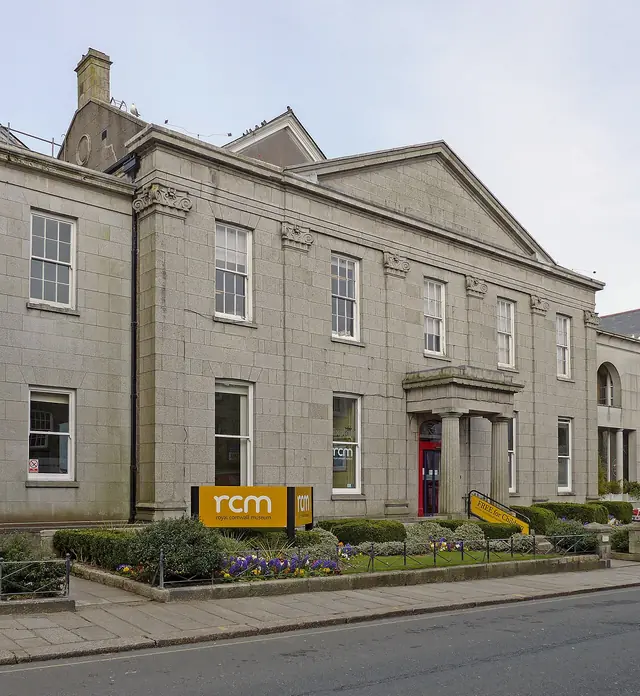
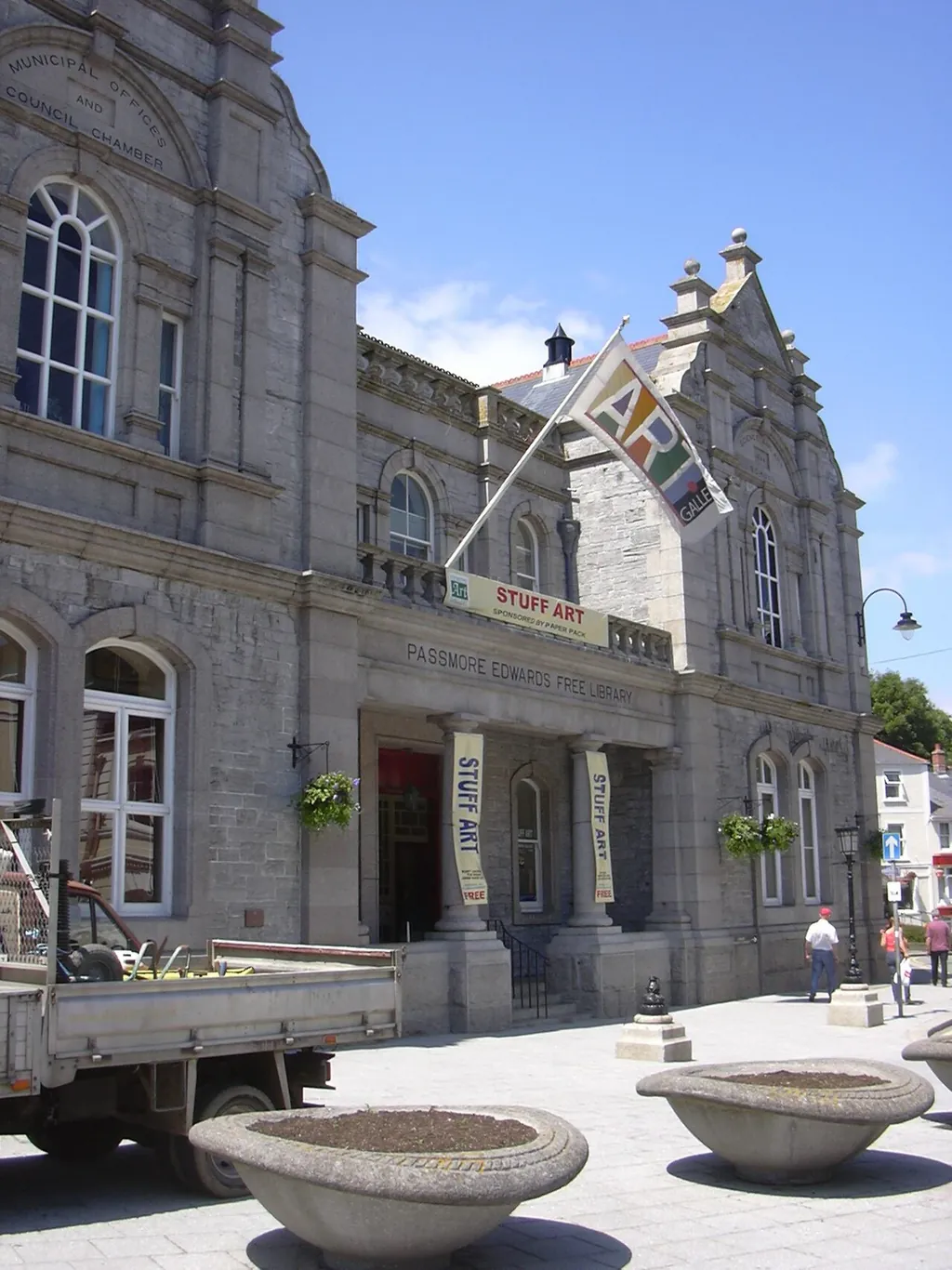
The present gallery is in the Passmore Edwards Municipal Buildings on The Moor, an Italianate building in grey limestone begun in 1894 and opened two years later, which also houses the town library. The art gallery was re-established there in its current form in 1978 and, after a renovation supported by the Heritage Lottery Fund, was reopened in 1996.
The core of the collection dates from 1923, when the philanthropist Alfred de Pass donated important works. It now holds more than 2,000 artworks, from Pre-Raphaelite and British Impressionist paintings to master prints, photography and a children's illustration archive, as well as the Royal Cornwall Polytechnic Society's Henry Scott Tuke collection. The gallery has the largest public collection of contemporary automata, and it is run by Falmouth Town Council.
Highlights
- Largest public collection of contemporary automata, on interactive display
- British paintings including works by Laura Knight and Henry Scott Tuke
- Master prints and photography including Lee Miller
- Surrealist collection and works linked to the 1937 Surrealists' stay in Cornwall
- Children's illustration archive with work by Quentin Blake
Permanent exhibitions
- Collections display – A changing display of works from the gallery's own collection, which includes British art, prints, photography and automata.
- Automata in Falmouth – Interactive automata by makers connected to Falmouth, forming the largest public collection of contemporary automata.
- Founded
- 1978
- Operated by
- Falmouth Town Council
Admission & discounts
Admission is free.
Free entry. Most workshops listed on the website are free; some need booking.
Accessibility
- Wheelchair accessible
- Elevator
- Accessible restroom
- Accessible parking
- Service dogs welcome
- Tactile models & exhibits: no information
- Sign language tours: no information
- Easy-to-read materials: no information
- Audio description: no information
The gallery is on the first floor above the town library. The main entrance on The Moor has steps, but there is a lift on the right-hand side of the building and a second entrance on Webber Hill that leads directly to gallery level. Accessible, gender-neutral toilets and baby-change facilities are available. Limited disabled parking on Webber Street and The Moor, with Blue Badge parking on single yellow lines opposite the lift. Large-print captions are available at the counter, a folding chair can be borrowed, and the digital guide app has audio with written transcripts. Only assistance dogs are allowed.
Kids & families
Great for kids & families
- Family tours & workshops
- Hands-on stations
- Baby changing facilities
- Playground / play area
Free artist-led family workshops with drop-in activity on the first Saturday of each month, 10:00 to 13:00. Baby Jam, Baby Paint and Little Fingers sessions are offered for under-fives. Interactive automata, a self-led doodle table and a toddler activity table are available in the gallery.
Getting there & parking
By public transit
The Moor
Buses to Falmouth stop at The Moor, where the gallery is located. The nearest stations, Penmere and Falmouth Town, are each about a 30-minute walk away.
By car
Paid parking
Short-stay pay and display parking on The Moor and long-stay parking at Quarry Hill. Limited disabled parking on Webber Street and The Moor.
- Accessible parking
By car follow the A39 into central Falmouth and turn left at the traffic lights onto Kimberley Park Road, then follow the parking signs. Bike racks and an electric bike hire point are on The Moor.
Get directionsAmenities & dining
- Café: not available
- Restaurant: not available
- Museum shop
- Wi-Fi
Free public Wi-Fi. There is no café, but staff can direct visitors to cafés nearby. The gallery shares the building with the town library.
Events & venue rental
The museum hasn’t published any information on this.
Plan your visit
| Audio guide | yes |
|---|---|
| School programs | yes |
| Photography | Photography is usually allowed; some artworks are clearly marked where it is not. |
| Good to know | A free app serves as a digital guide with audio talks about artworks and written transcripts. Sketching is encouraged and a doodle table is available. The gallery is small, with three adjoining rooms, and only part of the collection is on display at any time. |